


At a Glance
 In the U.S., cetirizine hydrochloride and pseudoephedrine hydrochloride (e.g., Zyrtec-D) is approved for relief of seasonal allergic rhinitis symptoms, including nasal congestion, in adults and children 12 years and older.
 Generic/Biosimilar name: Cetirizine hydrochloride and pseudoephedrine hydrochloride.
 Active ingredients: Cetirizine Hydrochloride, Pseudoephedrine Hydrochloride.

 Administration route: Oral.
 A common adult and adolescent dose is one extended‑release tablet (cetirizine 5 mg/pseudoephedrine 120 mg) taken by mouth twice daily.

How It Works
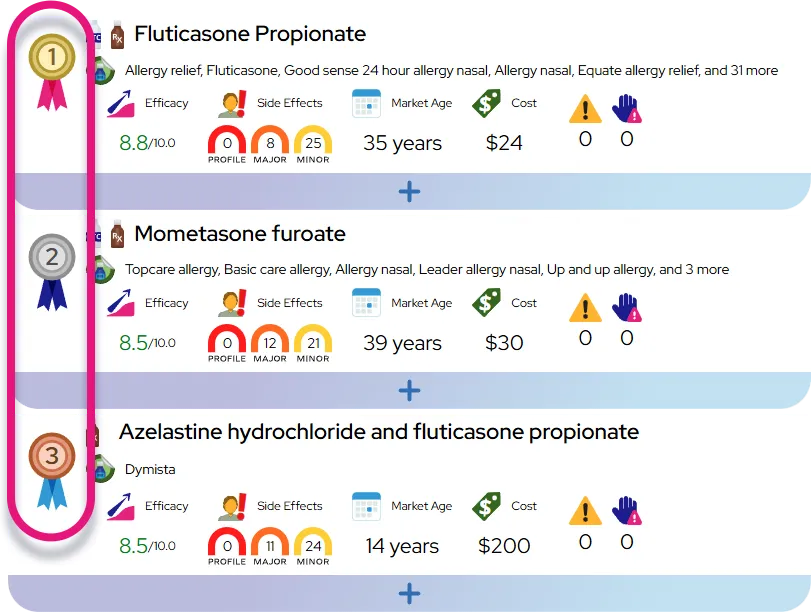
- Cetirizine is an antihistamine that blocks histamine H1 receptors, reducing sneezing, runny nose, itchy nose/throat, and watery eyes from allergies.
- Pseudoephedrine is a decongestant that shrinks swollen blood vessels in the nasal passages, easing stuffy nose and sinus pressure.
- Together, they relieve both general allergy symptoms and nasal congestion in one medicine.
Treatment and Efficacy
Approved indications
In the U.S., this combination is FDA-approved for relief of symptoms associated with seasonal allergic rhinitis, including nasal congestion, in adults and adolescents 12 years and older.
Off-label uses
Clinicians may occasionally use similar antihistamine–decongestant combinations for other allergic or upper-respiratory symptoms, but cetirizine/pseudoephedrine itself is mainly used within its labeled indication and off-label evidence is limited.
Efficacy expectations
Many people begin to notice improvement in congestion and allergy symptoms within 1–2 hours of a dose, with continued symptom relief over the 12-hour dosing period.
Typical outcomes include reduced sneezing, runny or itchy nose, watery eyes, and improved nasal airflow; it does not cure allergies but helps control symptoms while you continue taking it.
Comparison to similar drugs
Compared with plain antihistamines (like cetirizine alone), this combination usually provides better relief of nasal congestion but has a higher risk of decongestant-related side effects such as insomnia, jitteriness, and increased blood pressure.
Dosage and Administration
Typical dosing
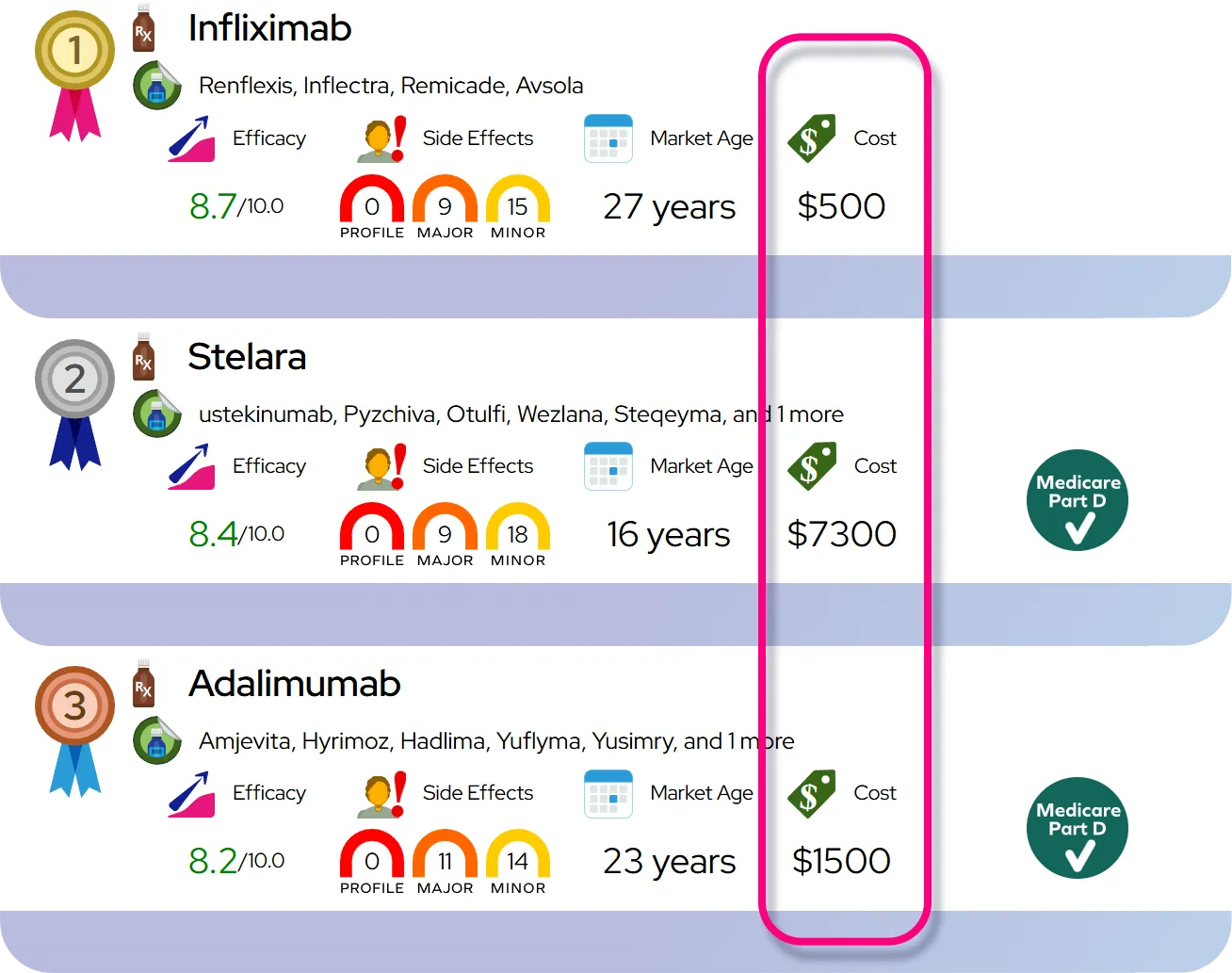
For adults and adolescents 12 years and older, the usual dose of the extended-release formulation is one tablet containing cetirizine 5 mg and pseudoephedrine 120 mg taken by mouth every 12 hours, not to exceed two tablets in 24 hours.
How to take
Swallow the extended-release tablet whole with water; do not crush, chew, or break the tablet, as this can release all the drug at once and increase side effects.
It may be taken with or without food, though taking it with food or earlier in the day can reduce stomach upset and sleep problems.
Special instructions
Use the lowest effective dose for the shortest time needed to control symptoms, particularly if you have high blood pressure or heart disease.
Avoid taking other medicines that contain antihistamines or decongestants at the same time unless directed by a healthcare professional.
Missed dose
If you miss a dose and it is still far from the time of your next dose, take it when you remember; if it is close to the next dose, skip the missed dose and resume your usual schedule.
Do not double the dose to make up for a missed one.
Overdose
In case of suspected overdose (such as severe restlessness, extreme drowsiness, very fast heartbeat, hallucinations, or collapse), call poison control or seek emergency medical care immediately and bring the medication container with you.
Safety and Side Effects
Common side effects
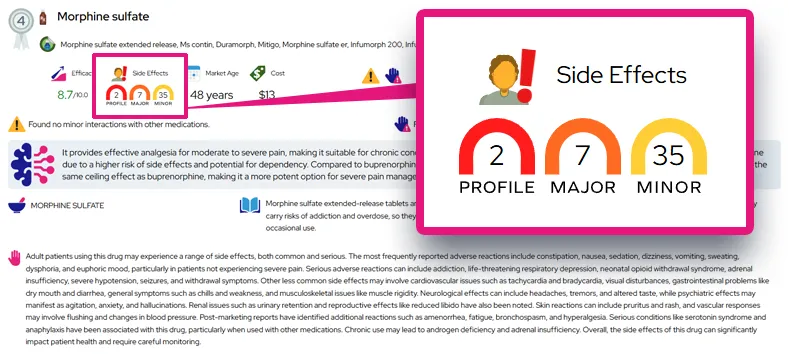
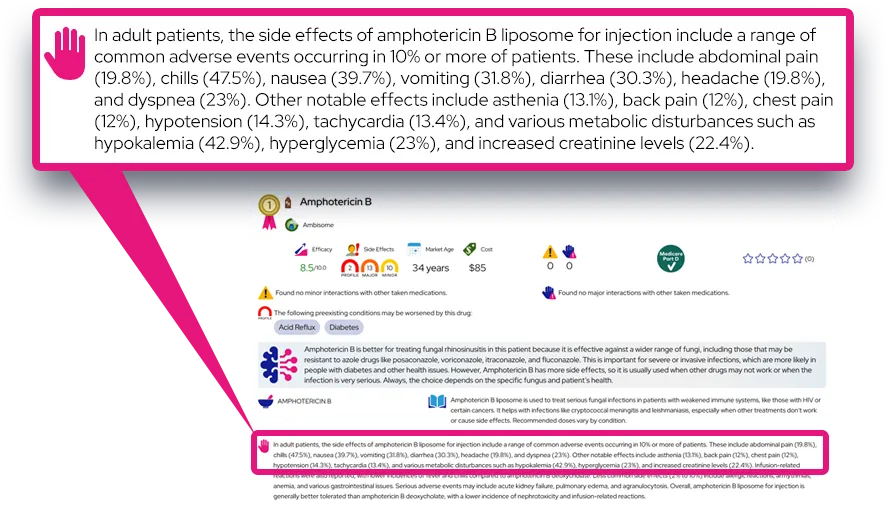
Common effects include dry mouth, dry nose or throat, mild drowsiness or tiredness, trouble sleeping, headache, nervousness, and sometimes increased heart rate or feeling jittery; these often start soon after dosing and are usually mild to moderate.
Serious or rare adverse effects
Seek immediate medical attention for chest pain, rapid or irregular heartbeat, severe dizziness or fainting, shortness of breath, severe anxiety or restlessness, difficulty urinating (especially in men with prostate problems), severe allergic reaction (rash, swelling of face/lips/tongue/throat, trouble breathing), or confusion or hallucinations.
Warnings and precautions
This drug should generally not be used in people with severe high blood pressure, significant heart disease, narrow-angle glaucoma, severe urinary retention, or those who have used monoamine oxidase inhibitors (MAOIs) within the past 14 days.
Use cautiously in people with moderate hypertension, diabetes, overactive thyroid, kidney or liver problems, or prostate enlargement, and in older adults who may be more sensitive to side effects.
During pregnancy, use only if clearly needed after discussion with a clinician; cetirizine alone is often preferred, but pseudoephedrine is typically avoided, especially in early pregnancy.
While breastfeeding, pseudoephedrine can reduce milk supply and may cause irritability in infants, so alternative treatments are usually recommended.
This product is not recommended for children under 12 years because of the higher risk of side effects and lack of appropriate dosing strength.
Comparative safety
Compared with plain second-generation antihistamines, adding pseudoephedrine increases the chance of insomnia, jitteriness, and blood pressure or heart rate increases, so many people use the combination only when congestion is prominent and for short periods.
Reporting side effects and safety updates
Side effects can be reported to the FDA MedWatch program, and up-to-date safety information can be found on the FDA and manufacturer websites or through a pharmacist or healthcare provider.
Interactions and Precautions
Drug and supplement interactions
Serious interactions can occur with monoamine oxidase inhibitors (MAOIs) and certain other antidepressants or stimulants, which can dangerously raise blood pressure or heart rate.
Other decongestants, stimulant medications (such as those for ADHD), some migraine medicines, and thyroid hormone can further increase heart rate or blood pressure when combined with pseudoephedrine.
Adding other sedating drugs (such as certain anxiety medicines, sleep aids, or alcohol) can increase drowsiness from cetirizine in some people, though cetirizine is less sedating than older antihistamines.
Herbal products or supplements that stimulate the nervous system (like high-dose caffeine, some weight-loss or energy products) can add to jitteriness and cardiovascular strain.
Food, alcohol, and lifestyle interactions
Limit alcohol because it can worsen drowsiness and impair alertness, and avoid large amounts of caffeine or energy drinks that may intensify nervousness and palpitations.
This medicine may raise blood pressure; people with hypertension should monitor readings more closely while taking it.
Precautions and conditions where use may be unsafe
Do not use if you have severe or uncontrolled high blood pressure, serious coronary artery disease, recent heart attack, narrow-angle glaucoma, severe urinary retention, or have taken an MAOI in the past 14 days, unless a specialist specifically advises otherwise.
Use with caution and medical supervision if you have moderate hypertension, arrhythmias, diabetes, hyperthyroidism, kidney or liver impairment, or prostate enlargement, or if you are pregnant or breastfeeding.
Monitoring needs
People with high blood pressure, heart disease, or diabetes may be advised to monitor blood pressure, heart rate, or blood sugar more frequently while using this medicine, especially at the start or if doses change.
Seek medical advice promptly if you notice sustained increases in blood pressure, pounding heartbeat, severe headache, or chest pain.
Common Questions and Answers
Q: How long does it take for cetirizine and pseudoephedrine to start working?
A: Many people feel relief of congestion and allergy symptoms within 1–2 hours of a dose, with effects generally lasting about 12 hours for the extended-release tablets.
Q: Can I take this medicine every day during allergy season?
A: It is often used daily for short periods during times of heavy allergy symptoms, but because of the decongestant, it is best to use the lowest effective dose for the shortest duration and check with a healthcare professional if you need it for more than about 1–2 weeks.
Q: Is cetirizine and pseudoephedrine safe if I have high blood pressure?
A: Pseudoephedrine can raise blood pressure and heart rate, so people with hypertension or heart disease should use it only under medical advice and may be advised to use an antihistamine without a decongestant instead.
Q: Can I take other cold or allergy medicines with this combination?
A: You should avoid taking other products that contain antihistamines or decongestants at the same time to prevent accidental overdose; always check labels and ask a pharmacist or clinician if you are unsure.
Q: Will this medicine make me sleepy or keep me awake?
A: Cetirizine may cause mild drowsiness in some people, while pseudoephedrine can cause insomnia or nervousness, so some people feel more alert and have trouble sleeping, especially if they take it late in the day.
Better Treatment, Lower Cost – No Catch.
Find safer, more effective medications with fewer side effects – often for less money. It’s fast, free, and personalized. Learn More →
Disposal Guidance
Storage
Store at room temperature, away from excessive heat, moisture, and direct light, and keep the medication in its original, tightly closed container.
Keep out of reach of children and pets, and do not use after the expiration date.
Disposal
Do not flush tablets down the toilet unless specifically instructed; mix unused tablets with an undesirable substance (such as coffee grounds or kitty litter), place in a sealed container, and throw in household trash, or use a local drug take-back program if available.