




INSIGHTS
-
A New Path to Stopping Epstein‑Barr Virus: How Scientists Created Human Antibodies That Block Infection
Epstein‑Barr virus (EBV) is one of the most common viruses on Earth, yet it rarely makes headlines. Most people catch it at some point in their lives, often without knowing it. But beneath its quiet reputation, EBV is linked to a surprising number of serious health problems – from infectious mononucleosis (“mono”) to certain cancers
-

Why Estrogen Patches Are Suddenly Hard to Find – And What Women Can Do About It
For many women navigating perimenopause or menopause, estrogen patches have become a lifeline. They’re small, discreet, and deliver a steady dose of hormone therapy that can ease hot flashes, night sweats, brain fog, and the general feeling that your body has suddenly changed the rules without warning. But over the past several months, women across
-
FDA Approves Rybrevant Faspro: A Faster, Simpler Option for Certain Lung Cancer Patients
The U.S. Food and Drug Administration (FDA) has approved Rybrevant Faspro, a newer formulation of the cancer drug amivantamab, offering a more convenient way to treat certain people with advanced lung cancer. While the science behind the drug is complex, the impact on patients’ daily lives is easier to understand: shorter treatment visits, fewer clinic
-
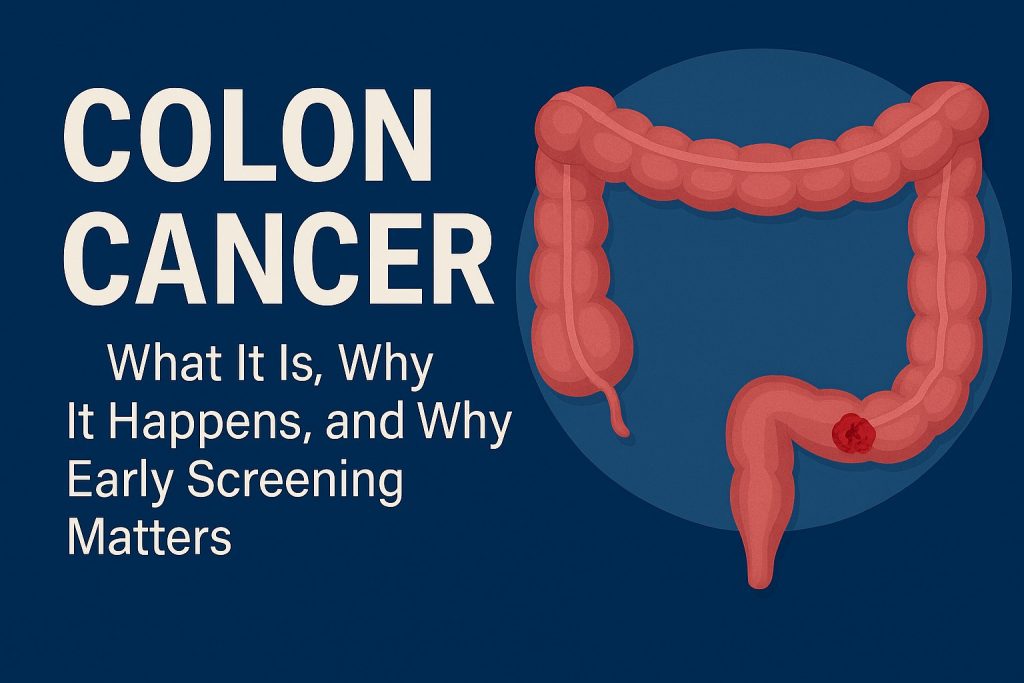
Colon Cancer – What It Is, Why It Happens, and Why Early Screening Matters
Colon cancer is one of the most common cancers in the United States, yet it’s also one of the most preventable. When caught early, it’s highly treatable. When ignored, it can quietly grow for years before causing serious problems. Understanding how colon cancer develops, who’s at risk, and what warning signs to watch for can
-
Centanafadine and a new chapter for ADHD treatment
ADHD treatments have long relied on stimulants like methylphenidate and amphetamines, plus a handful of nonstimulant options. Centanafadine is a different kind of medicine that’s drawing attention because recent clinical trials show promising results and the U.S. Food and Drug Administration has given its application an accelerated review. If approved, centanafadine would be the first
-
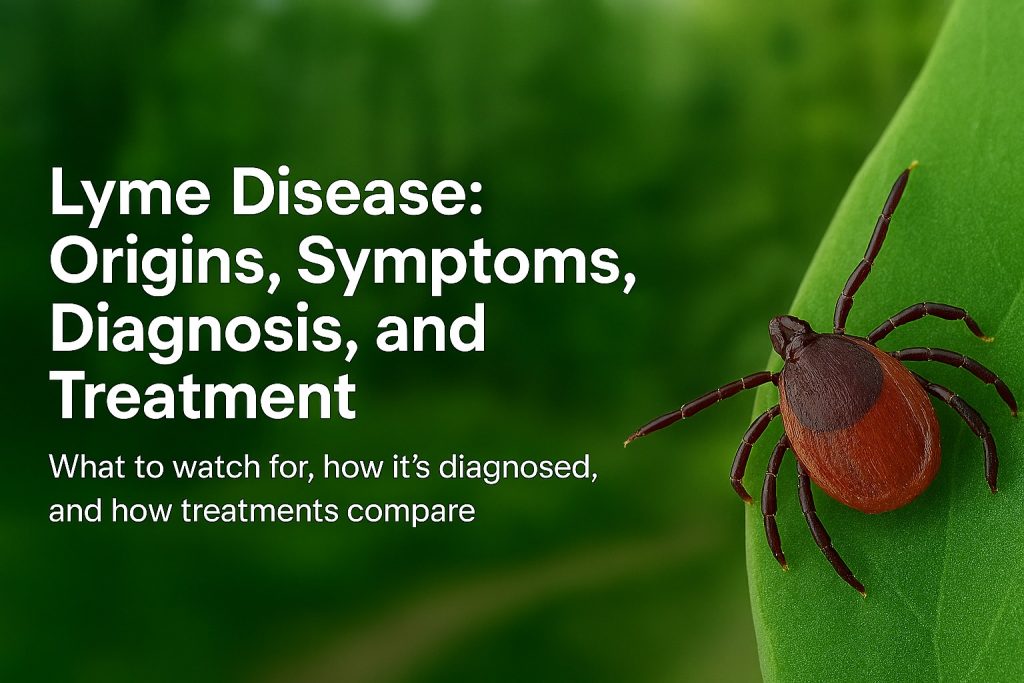
Lyme Disease – Where It Came From, How to Spot It, and What Treatments Work
Lyme disease is a bacterial infection spread by ticks. It can start with a rash and flu-like symptoms, and if not treated, it can affect joints, the heart, and the nervous system. This short guide covers the origin of Lyme disease, common signs to watch for, how doctors diagnose it, and the medicines used to
-

Vybrique Now FDA Approved: A New, Discreet Oral Film for Erectile Dysfunction
Erectile dysfunction (ED) affects millions of men and can be stressful to manage. A new option just cleared by the U.S. Food and Drug Administration (FDA) may make treatment easier and more discreet: Vybrique™, the first FDA‑approved sildenafil oral film that dissolves on the tongue. What is Vybrique and why does it matter? Vybrique is
-
FDA Approves Darzalex Faspro as Part of a New First‑Line Quadruplet Regimen for Multiple Myeloma
Multiple myeloma is a type of blood cancer that affects plasma cells – specialized white blood cells that help the body fight infections. For years, treatment options have steadily improved, but the newest development marks one of the most meaningful steps forward yet. The U.S. Food and Drug Administration (FDA) has approved a new four‑drug
-
Beyond Distraction: ADD and ADHD Explained – Subtypes, Treatments, and What Works Best
Attention Deficit Hyperactivity Disorder (ADHD), including its historical variant Attention Deficit Disorder (ADD), is a prevalent neurodevelopmental disorder characterized by persistent patterns of inattention, hyperactivity, and impulsivity. Affecting approximately 5% of children and 2.5–3% of adults globally, ADHD is associated with significant impairments in academic, occupational, and social functioning. The disorder is heterogeneous, with multiple
-
Stop Before You Swallow – The Daily Pills Most People Shouldn’t Be Taking
Millions of Americans start their morning with a routine that feels healthy: a multivitamin, a fish oil capsule, maybe an extra vitamin D pill, and an over‑the‑counter pain reliever “just in case.” It feels proactive. It feels safe. But research shows that many of the medications and supplements people take every single day offer little