


At a Glance
 Vyvgart Hytrulo is approved to treat adults (18 years and older) with generalized myasthenia gravis who are anti–acetylcholine receptor antibody–positive and adults with chronic inflammatory demyelinating polyneuropathy (CIDP).
 This is a brand drug with no generic or biosimilar.
 Active ingredients: Efgartigimod Alfa, Hyaluronidase (Human Recombinant).

 Administration route: Subcutaneous.
 Typical dosing is a fixed once‑weekly subcutaneous injection (about 1,000 mg efgartigimod alfa with 10,000–11,200 units hyaluronidase), given in 4‑week treatment cycles for generalized myasthenia gravis and as ongoing weekly maintenance for CIDP.

How It Works
- Efgartigimod alfa blocks the neonatal Fc receptor (FcRn), which normally recycles IgG antibodies, so the body breaks down more IgG, including harmful autoantibodies.
- By lowering these disease‑causing antibodies, the medicine reduces immune attack on nerves and the neuromuscular junction, which can improve strength and daily function.
- Hyaluronidase briefly loosens tissue under the skin so the full dose can be given quickly as a single small‑volume injection.
Treatment and Efficacy
Approved indications: Vyvgart Hytrulo is FDA‑approved for adults with (1) generalized myasthenia gravis (gMG) who are anti–acetylcholine receptor (AChR) antibody–positive and (2) chronic inflammatory demyelinating polyneuropathy (CIDP).
Off‑label use: Off‑label prescribing of the Hytrulo formulation is limited; while efgartigimod (the active component) is being studied in other IgG‑mediated autoimmune diseases, Vyvgart Hytrulo itself is not broadly established for conditions beyond gMG and CIDP, and such use is generally reserved for specialists within clinical‑trial–like or refractory settings.
Efficacy in generalized myasthenia gravis: In phase 3 studies of IV efgartigimod, many AChR‑positive patients had meaningful MG‑ADL improvement within the first 1–2 weeks of a 4‑week treatment cycle and maintained benefit for several weeks; subcutaneous Vyvgart Hytrulo produced similar reductions in IgG and AChR antibodies and comparable clinical results to the IV formulation, so patients typically experience noticeable symptom relief during the first treatment cycle with cycles repeated as symptoms return.
Efficacy in CIDP: In the pivotal CIDP trial, adults who continued weekly Vyvgart Hytrulo injections took significantly longer to show clinical deterioration on disability scales than those switched to placebo, meaning more patients remained stable and functional over time; benefit was seen in patients previously on standard therapies (such as IVIG or steroids) as well as those less heavily pretreated.
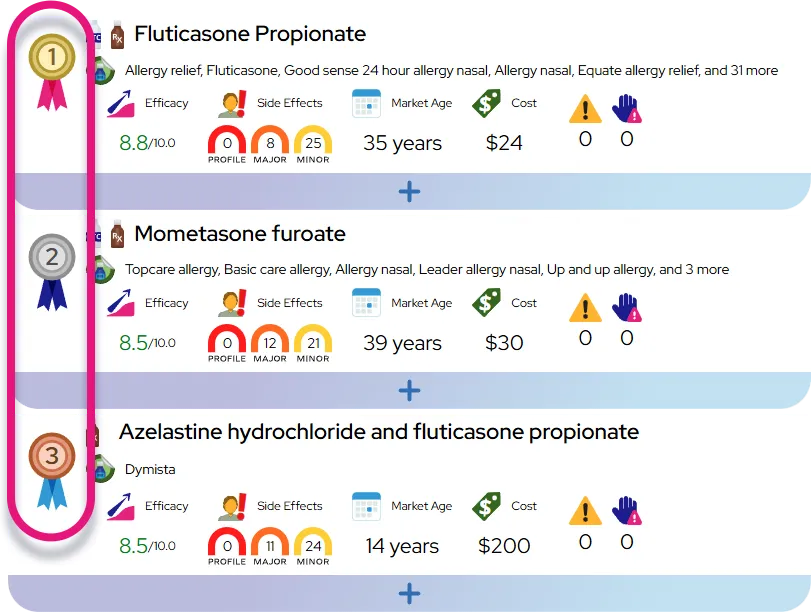
Comparison to similar treatments: For gMG, Vyvgart Hytrulo provides targeted antibody reduction similar in magnitude to other FcRn inhibitors and can be an alternative to chronic IV immunoglobulin, plasma exchange, or long‑term high‑dose steroids and immunosuppressants; for CIDP, it offers a non‑IV, non‑immunoglobulin biologic option that can reduce relapse risk with simple weekly injections, though long‑term, real‑world data are still accumulating.
Dosage and Administration
General administration: Vyvgart Hytrulo is given as a subcutaneous injection in the abdomen, using either a single‑dose prefilled syringe (which patients or caregivers can use after training) or a single‑dose vial administered only by a healthcare professional with a winged infusion set.
Dosing for generalized myasthenia gravis (gMG): Adults receive a fixed once‑weekly subcutaneous dose (1,000 mg efgartigimod alfa/10,000 units hyaluronidase with the prefilled syringe or 1,008 mg/11,200 units with the vial) for 4 weeks to make one treatment cycle; later cycles are started based on symptom return and the clinician’s judgment, typically with a gap of several weeks between cycles.
Dosing for CIDP: Adults with CIDP usually receive the same fixed dose (prefilled syringe or vial) as a once‑weekly subcutaneous injection on an ongoing basis to maintain control of symptoms, with the regimen adjusted over time according to clinical response and tolerability.
Practical use: Prefilled syringes should be taken out of the refrigerator about 30 minutes before injection (vials about 15 minutes) to reach room temperature, injected into a pinched area of abdominal skin while rotating sites, and never shaken, frozen, or reused; patients prescribed self‑injection receive in‑person training, and healthcare professionals monitor for at least 30 minutes after each dose for signs of hypersensitivity.
Missed doses and overdose: If a scheduled dose or injection is missed, it can usually be given up to 3 days after the planned time, after which the regular weekly schedule is resumed; in case of accidental overdose or repeated injections given too close together, patients should contact their prescriber, an emergency department, or poison control and be monitored for enhanced side effects such as infection or infusion‑related reactions.
Safety and Side Effects
Common side effects: The most frequent side effects are respiratory tract infections (such as colds or bronchitis), headache, urinary tract infection, and injection‑site reactions (redness, itching, bruising, rash, pain, or hives at the injection site); these are usually mild to moderate, often appear within the first few weeks of treatment, and typically resolve on their own or with simple supportive care.
Serious or rare adverse effects: Serious infections can occur because the drug lowers IgG levels, so fever, worsening cough, painful or frequent urination, shortness of breath, or other signs of infection need prompt medical evaluation; severe allergic reactions (anaphylaxis) with rash, swelling of the face or throat, trouble breathing, low blood pressure, or fainting are rare but require emergency care, and severe infusion/injection‑related reactions (such as very high blood pressure, severe chills or shivering, or chest, abdominal, or back pain) also need immediate medical attention.
Warnings and precautions: Treatment should be delayed in people with an active infection and used cautiously in those with a history of recurrent or severe infections or known IgG deficiency; live vaccines are not recommended during treatment, and age‑appropriate vaccines are usually updated before starting a new treatment cycle.
Special populations: Safety and effectiveness in children have not been established; in pregnancy and breastfeeding, there are limited human data, and because the drug reduces maternal IgG (and therefore passive antibody protection for the newborn), clinicians weigh potential benefits versus risks and may adjust infant vaccination plans; no specific dose adjustments are defined for kidney or liver disease, but people with significant organ impairment should be monitored closely.
Overall safety profile: Across studies, most side effects have been mild to moderate, with no boxed warning; compared with long‑term corticosteroids or classic immunosuppressants, Vyvgart Hytrulo generally causes fewer systemic toxicities (such as weight gain, osteoporosis, or organ toxicity) but does increase susceptibility to infections and can cause injection‑site and hypersensitivity reactions, so ongoing vigilance is required.
Reporting and safety updates: Patients and caregivers can report suspected side effects to the FDA MedWatch program or to the manufacturer’s safety line, and clinicians should check current prescribing information and FDA safety communications periodically for updated warnings or new risk information.
Interactions and Precautions
Key drug interactions: Because efgartigimod lowers IgG levels by blocking FcRn, it can reduce blood levels and effectiveness of other medicines that depend on FcRn recycling, including immunoglobulin (IVIG or subcutaneous Ig) products and many monoclonal antibody drugs or Fc‑containing biologics; when such therapies are essential, clinicians may avoid or discontinue Vyvgart Hytrulo or closely monitor for loss of effect and adjust timing or dosing.
Vaccines and other medicines: Live or live‑attenuated vaccines are not recommended during treatment, and routine vaccines are usually updated before starting a new cycle; no specific interactions with common small‑molecule drugs, OTC medicines, or foods (including alcohol) have been identified, but patients should review all prescription, nonprescription, and herbal products with their healthcare team.
Conditions requiring caution: Use is cautioned or may be delayed in people with active or chronic infections, known hypogammaglobulinemia or other significant immunodeficiencies, a history of severe hypersensitivity to efgartigimod, hyaluronidase, or similar biologics, or those receiving multiple immunosuppressive agents that further increase infection risk.
Monitoring: Routine blood tests are not rigidly specified, but many clinicians periodically check complete blood counts and monitor for recurrent infections, and patients should promptly report fevers, respiratory or urinary symptoms, new rashes, or symptoms suggestive of allergic or injection‑related reactions; blood pressure and clinical status are also observed around injections, particularly early in treatment.
Common Questions and Answers
Q: What is Vyvgart Hytrulo used for?
A: Vyvgart Hytrulo is a subcutaneous biologic medicine for adults with generalized myasthenia gravis who are anti–AChR antibody–positive and for adults with chronic inflammatory demyelinating polyneuropathy (CIDP).
Q: How quickly will I notice improvement after starting Vyvgart Hytrulo?
A: Many people with generalized myasthenia gravis begin to feel stronger and have easier daily activities within the first 1–2 weeks of a 4‑week treatment cycle, while in CIDP the goal is steady weekly treatment that maintains strength and delays or prevents worsening over months.
Q: Can I give Vyvgart Hytrulo to myself at home?
A: If you are prescribed the prefilled syringe, you or a trained caregiver can usually give the abdominal injection at home after receiving hands‑on training from a healthcare professional; the vial form must always be injected by a healthcare provider.
Q: What should I do if I miss a dose?
A: If you miss a scheduled injection, you can usually take it within 3 days of the planned date and then return to your regular weekly schedule, but you should contact your prescriber for specific instructions, especially if more time has passed.
Q: Can I get vaccines while on Vyvgart Hytrulo?
A: Most inactivated (non‑live) vaccines can be given, but live or live‑attenuated vaccines are generally avoided during treatment, so your healthcare provider will usually bring your routine vaccinations up to date before starting therapy and plan any additional vaccines around your treatment cycles.
Q: Is Vyvgart Hytrulo chemotherapy or a steroid?
A: No, Vyvgart Hytrulo is not chemotherapy or a corticosteroid; it is a targeted antibody fragment that lowers IgG antibodies by blocking the FcRn recycling pathway, and it is often used to reduce the need for chronic high‑dose steroids or IVIG in appropriate patients.
Better Treatment, Lower Cost – No Catch.
Find safer, more effective medications with fewer side effects – often for less money. It’s fast, free, and personalized. Learn More →
Disposal Guidance
Storage: Keep Vyvgart Hytrulo in the refrigerator at 36°F to 46°F (2°C to 8°C) in the original carton, protected from light; do not freeze or shake, and do not use it past the expiration date.
If needed, the prefilled syringe may be stored once at room temperature up to 86°F (30°C) for up to 30 days, and the vial may be stored once at 68°F to 77°F (20°C to 25°C) for up to 3 days; if not used within these time limits, the product should be thrown away and should not be put back into the refrigerator.
Handling: Each prefilled syringe or vial is single‑use; do not reuse, and do not use the medicine if it looks cloudy, strongly discolored, frozen, or contains visible particles.
Disposal: After injection, place used syringes, needles, and empty vials in an FDA‑cleared sharps container (or a heavy, puncture‑resistant household container with a tight lid if allowed in your area), and follow instructions from your pharmacy, local waste authority, or healthcare provider for disposal; keep all supplies out of reach of children and pets, and never throw loose needles into household trash or recycling.