


At a Glance
 This oral nighttime sleep aid (a sedating antihistamine, most commonly diphenhydramine) is approved for short-term relief of occasional sleeplessness in adults and children 12 years and older.
 Generic/Biosimilar name: Nighttime sleep aid.
 Active ingredient: Doxylamine Succinate.

 Administration route: Oral.
 The typical oral dose for adults and children 12 years and older is 50 mg once at bedtime, used only as needed and not for longer than about 2 weeks unless directed by a healthcare professional.

How It Works
- This medicine is a first-generation antihistamine that blocks histamine (H1) receptors in the brain, which makes you feel sleepy.
- It also has anticholinergic effects that slow certain nerve signals, adding to its calming and drowsy effects.
- By increasing drowsiness and reducing alertness, it can help you fall asleep faster when you have occasional trouble sleeping.
Treatment and Efficacy
Approved indications: This oral nighttime sleep aid is FDA-monograph approved for short-term relief of occasional insomnia or sleeplessness, such as difficulty falling asleep.
Off-label uses: The active ingredient (typically diphenhydramine) is also used for allergies and motion sickness, but those uses involve different labeled products; using this nighttime sleep aid regularly for chronic insomnia is off-label and generally discouraged because of tolerance and side effects.
Efficacy expectations: When taken about 30 minutes before bedtime, many people become drowsy within an hour and may fall asleep faster and stay asleep somewhat longer, though improvements are usually modest and may lessen after several nights of continuous use.
Comparison to similar drugs: Compared with newer prescription sleep medicines, this drug is generally less effective for long-term insomnia and more likely to cause anticholinergic effects (such as dry mouth and next-day grogginess), but it is widely available and considered acceptable for brief, occasional use in otherwise healthy adults.

Dosage and Administration
Typical dosing: For adults and children 12 years and older, the usual oral dose is 50 mg once daily at bedtime, taken about 30 minutes before sleep; it is not recommended for children under 12 years for this product unless specifically directed by a healthcare professional.
How to take: Swallow the tablet or capsule whole with a full glass of water, with or without food, and do not take more than the labeled dose or combine it with other products that contain the same active ingredient (such as some allergy or cold medicines).
Special instructions: Use the lowest effective dose for the shortest possible time (generally a few nights at a time), avoid alcohol and other sedating drugs while taking it, and do not drive or operate machinery until you know how it affects you.
Missed dose: Because this medicine is taken at bedtime as needed, if you forget to take it and it is already late, skip the dose rather than taking it in the middle of the night, as this can increase next-day drowsiness.
Overdose: If too much is taken, seek emergency medical help or contact poison control right away; symptoms of overdose may include extreme drowsiness, agitation, confusion, hallucinations, very fast heartbeat, seizures, or loss of consciousness.
Safety and Side Effects
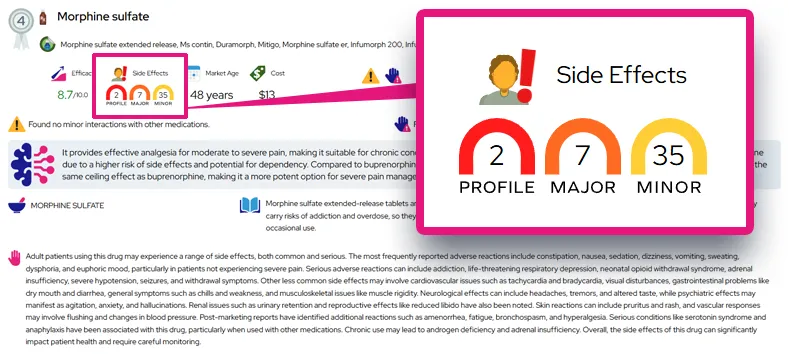
Common side effects: These include drowsiness (which can last into the next day), dizziness, dry mouth, dry eyes, blurred vision, constipation, and difficulty urinating; they usually start within a few hours of the dose and are dose-related.
Serious or rare adverse effects: Seek immediate medical attention for severe allergic reactions (rash, swelling of face or throat, trouble breathing), hallucinations or severe confusion, irregular or very fast heartbeat, seizures, or trouble urinating that becomes painful or complete.
Warnings and precautions: Not recommended in children under 12 years for this product, and should be used with extra caution or avoided in adults over 65 years because of confusion, falls, and anticholinergic effects; people with glaucoma, enlarged prostate or urinary retention, asthma or severe lung disease, heart disease, or liver or kidney problems should consult a clinician before use.
Pregnancy and breastfeeding: Pregnant or breastfeeding individuals should speak with a healthcare professional before using this medicine, as the drug can pass into breast milk and may cause drowsiness or irritability in a nursing infant and may reduce milk supply.
Safety compared with other options: Compared with non-sedating options like sleep hygiene or low-dose melatonin, this drug carries higher risks of next-day impairment and anticholinergic side effects, particularly with frequent or long-term use.
Reporting and safety updates: Side effects can be reported to the FDA MedWatch program, and current safety information and warnings can be found on the FDA’s website and the product’s Drug Facts label.
Interactions and Precautions
Drug and alcohol interactions: This medicine can increase drowsiness when taken with alcohol, opioids, benzodiazepines, other sleep medicines, certain antidepressants, antipsychotics, or other sedating drugs; combining them can greatly increase the risk of slowed breathing, accidents, and falls.
Other medicines and supplements: Use caution with other anticholinergic medicines (such as some bladder, Parkinson’s, allergy, or antidepressant drugs) because side effects like dry mouth, constipation, confusion, and trouble urinating can add up; herbal or OTC sleep aids and cannabis products can also increase sedation.
Medical conditions requiring precautions: People with narrow-angle glaucoma, difficulty urinating due to enlarged prostate, severe asthma or chronic lung disease, heart rhythm problems, or significant liver or kidney disease should consult a healthcare professional before use, and older adults may be at especially high risk of confusion and falls.
Monitoring needs: Routine blood tests or ECGs are not usually needed for short-term, label-directed use, but individuals with heart disease, on multiple interacting medications, or with serious medical conditions may require closer monitoring and should follow their clinician’s advice.
Common Questions and Answers
Q: How long does it take for a nighttime sleep aid to start working?
A: Most people begin to feel drowsy within about 30–60 minutes after taking the dose, so it is usually taken shortly before going to bed.
Q: Is this nighttime sleep aid safe to use every night?
A: It is intended for short-term, occasional use; using it every night can lead to tolerance, ongoing daytime sleepiness, and increased risk of side effects, so long-term sleep problems should be evaluated by a healthcare professional.
Q: Can I take this sleep aid with my allergy or cold medicine?
A: Many allergy and cold products already contain the same or similar antihistamine, so taking them together can cause an overdose or severe drowsiness; always compare active ingredients and ask a pharmacist or clinician if you are unsure.
Q: Is it okay to drink alcohol when I use this medication?
A: No, alcohol significantly increases the sedative effects and the risk of impaired breathing, accidents, and dangerous drowsiness, so it should be avoided when taking this sleep aid.
Q: Can older adults use this nighttime sleep aid?
A: Older adults are more sensitive to its side effects, including confusion, dry mouth, constipation, and falls, so many guidelines recommend avoiding it in people over 65 unless specifically advised and closely supervised by a healthcare professional.
Better Treatment, Lower Cost – No Catch.
Find safer, more effective medications with fewer side effects – often for less money. It’s fast, free, and personalized. Learn More →
Disposal Guidance
Storage: Keep the medication at room temperature (around 68–77°F / 20–25°C), away from excessive heat, moisture, and direct light, and store it in a tightly closed, child-resistant container.
Safety: Keep out of reach of children, and do not use tablets or capsules that are discolored, chipped, or damaged.
Disposal: Use a local medicine take-back program when possible; if none is available, mix unused tablets or capsules with an unappealing substance (such as coffee grounds or cat litter), seal in a bag or container, and place in household trash rather than flushing down the toilet unless the product label specifically instructs otherwise.