


At a Glance
 Lokelma is FDA-approved to treat hyperkalemia (high potassium in the blood) in adults 18 years and older.
 This is a brand drug (Lokelma) with no generic or biosimilar.
 Active ingredient: Sodium Zirconium Cyclosilicate.

 Administration route: Oral.
 Typical adult dosing is 10 g by mouth three times daily for up to 48 hours, then about 10 g once daily adjusted between 5 g every other day and 15 g once daily based on blood potassium levels and, in hemodialysis patients, taken only on non-dialysis days.

How It Works
- Lokelma is a non-absorbed powder that stays in your intestines and does not enter your bloodstream.
- It acts like a sponge that selectively traps extra potassium in your gut in exchange for sodium and hydrogen, so the potassium is removed from the body in the stool and blood potassium levels fall.
- It usually starts lowering potassium within about 1–2 hours, but it is not used alone for life-threatening emergencies because its full effect takes longer.
Treatment and Efficacy
Approved indications: Lokelma (sodium zirconium cyclosilicate) is FDA-approved for the treatment of hyperkalemia (high blood potassium) in adults and should not be used as emergency treatment for life-threatening hyperkalemia because its onset, while relatively fast, is not immediate.
Off-label and extended uses: Clinicians commonly use Lokelma to manage recurrent or chronic hyperkalemia in adults with conditions such as chronic kidney disease or heart failure, and to help patients stay on or up-titrate renin–angiotensin–aldosterone system (RAAS) inhibitors; evidence from randomized trials and real-world studies supports its effectiveness and tolerability for ongoing potassium control in these settings.
Efficacy and time to improvement: Lokelma can start lowering potassium within about 1 hour of the first dose, with many patients reaching normal potassium levels within roughly 24–48 hours when the initial 10 g three-times-daily regimen is used, and maintenance dosing keeps most patients within the target range as long as treatment continues.
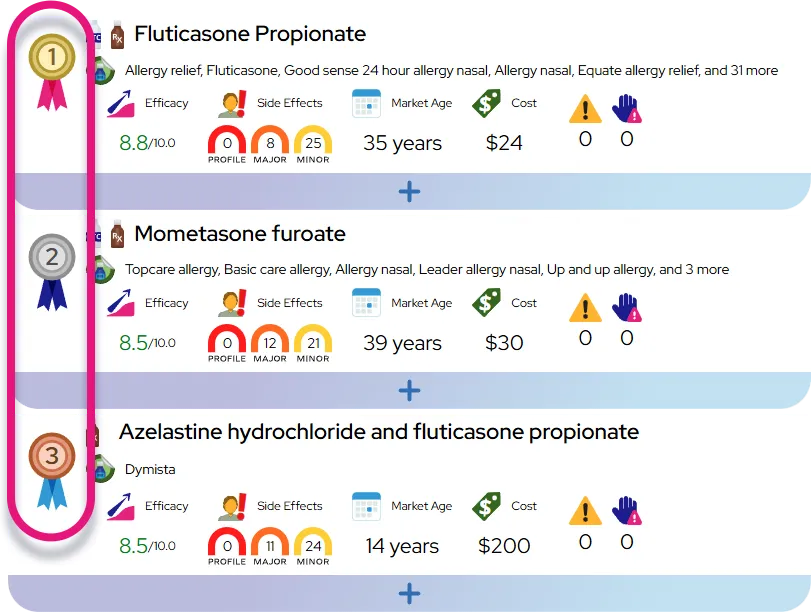
Comparison with similar drugs: Compared with the older resin sodium polystyrene sulfonate, Lokelma has more robust trial data and generally better gastrointestinal tolerability; compared with patiromer, it tends to lower potassium more quickly but adds a sodium load that can promote fluid retention in susceptible patients, so the choice among binders often depends on how fast control is needed and on a patient’s heart, kidney, and volume status.
Dosage and Administration
Formulation and how to take it: Lokelma is supplied as 5 g and 10 g packets of powder for oral suspension; to take a dose, empty the packet(s) into at least 3 tablespoons (about 45 mL) of water, stir well, drink the mixture right away, then add more water to the glass, stir, and drink again until no powder remains. It may be taken with or without food and should not be mixed with hot liquids or heated.
Typical adult dosing for hyperkalemia (not on dialysis): An initial regimen of 10 g by mouth three times a day for up to 48 hours is commonly used to bring down high potassium; for continued treatment, dosing is usually around 10 g once daily, with adjustments in 5 g steps at intervals of about one week to maintain the desired potassium level, in a maintenance range of roughly 5 g every other day to 15 g once daily.
Adults on chronic hemodialysis: Lokelma is taken only on non-dialysis days, typically starting at 5 g once daily (or 10 g once daily if potassium is very high), and then titrated based on pre-dialysis potassium after the long interdialytic interval to a maintenance dose of 5–15 g once daily on non-dialysis days.
Special dosing instructions: Other oral medications should generally be given at least 2 hours before or 2 hours after Lokelma to reduce the chance that it will bind them and lower their absorption. Its use in children has not been established, and it should not be relied on by itself as emergency therapy for life-threatening hyperkalemia, where faster-acting measures (such as intravenous treatments or dialysis) are needed.
Missed dose guidance: If a dose is missed, it should be taken as soon as remembered unless it is close to the time for the next dose, in which case the missed dose should be skipped and the regular schedule resumed; two doses should not be taken at once to make up for a missed dose.
Overdose: Taking more than prescribed can lead to excessively low potassium and potentially serious heart rhythm problems; suspected overdose should prompt immediate contact with a healthcare professional or poison control center (1-800-222-1222 in the U.S.), and emergency services if severe symptoms such as chest pain, palpitations, or fainting occur.
Safety and Side Effects
Common side effects:
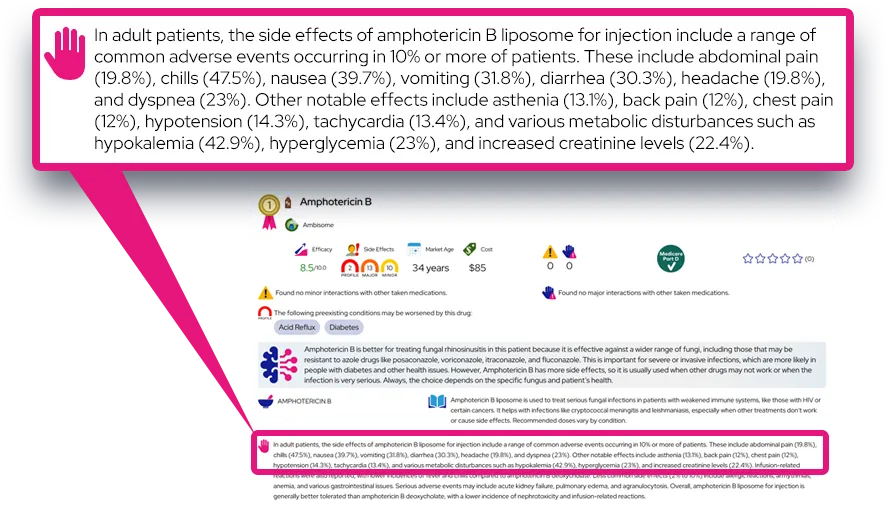
- Edema (swelling of feet, ankles, legs, or hands) from the sodium content is the most common side effect and is more likely in people with heart failure, kidney disease, or those on sodium-restricted diets.
- Mild gastrointestinal symptoms such as constipation, diarrhea, nausea, or stomach discomfort can occur, but are usually manageable.
- Low blood potassium (hypokalemia) may develop if the dose is too high or if potassium intake drops suddenly, so potassium levels are monitored and the dose is adjusted.
Serious or rare adverse effects (seek immediate care):
- Signs of a severe allergic reaction, including trouble breathing, wheezing, chest tightness, or swelling of the face, lips, tongue, or throat, or a widespread rash or hives.
- Rapidly worsening swelling, sudden weight gain, or shortness of breath, which may indicate significant fluid overload or worsening heart failure.
- Symptoms of very low potassium, such as muscle weakness or paralysis, muscle cramps, palpitations, or fainting.
- Severe or persistent constipation, abdominal pain, vomiting, or lack of bowel movements, especially in people with a history of bowel obstruction, impaction, or major bowel surgery.
Warnings and precautions: Lokelma should be used cautiously or avoided in patients with severe constipation, bowel obstruction, impaction, or major bowel motility disorders (including certain post-surgical states), because these conditions increase the risk of gastrointestinal adverse events. It can cause or worsen edema, so extra care is needed in people with heart failure, advanced kidney disease, or those on dialysis, and sodium intake or diuretic doses may need adjustment. Use in pregnancy or while breastfeeding has not been extensively studied, but because the drug is minimally absorbed, systemic exposure is expected to be low; decisions should be individualized. Safety and efficacy have not been established in children.
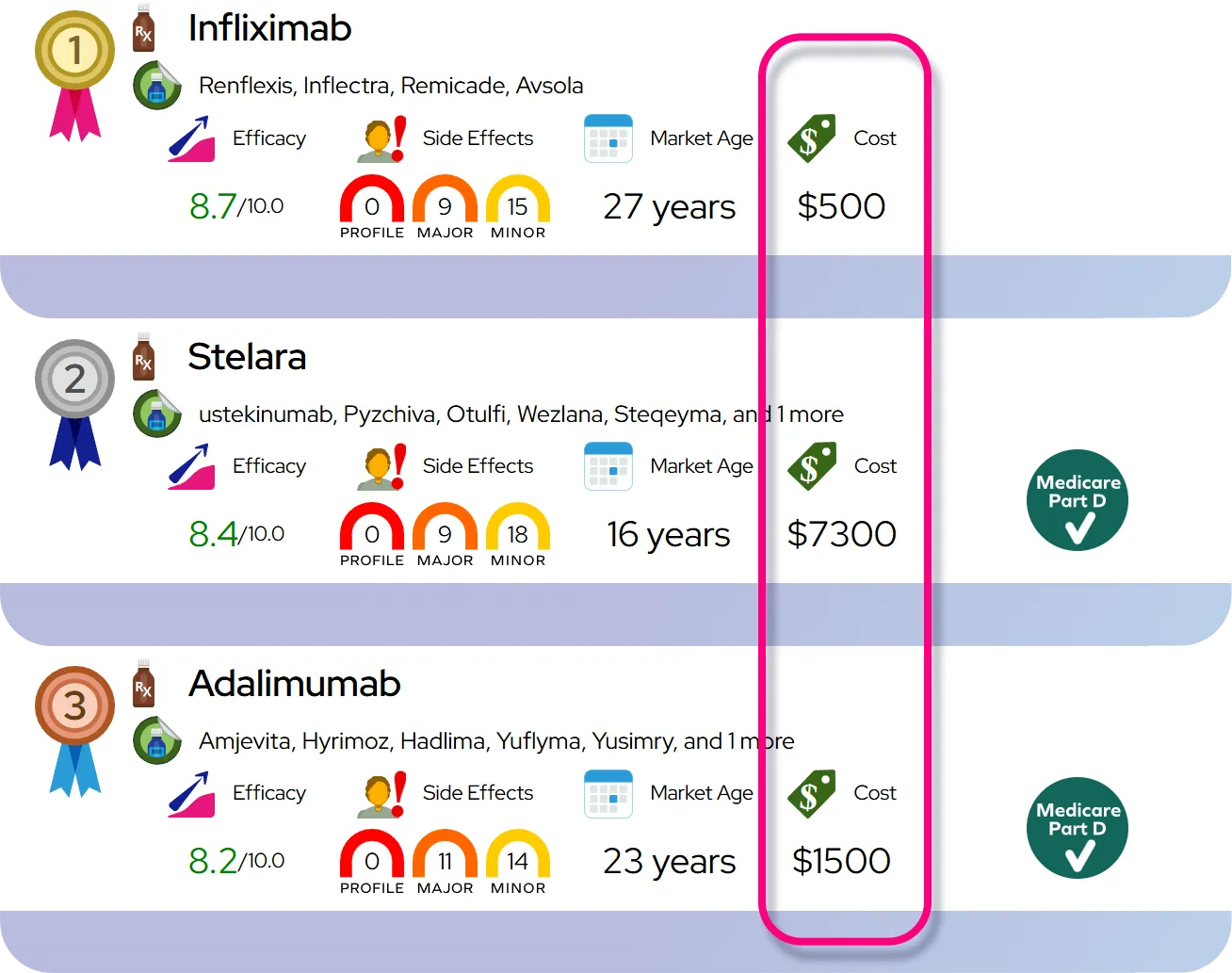
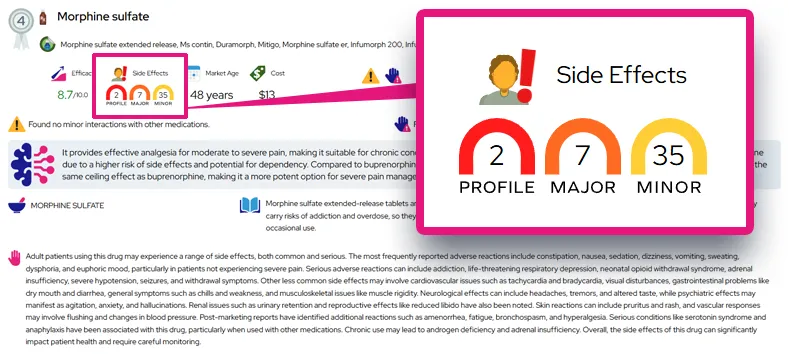
Safety compared with other options: Compared with older potassium binders such as sodium polystyrene sulfonate, Lokelma has more consistent efficacy data and a lower rate of serious gastrointestinal toxicity, but it carries more sodium per dose and therefore a higher risk of fluid retention; compared with patiromer, it generally has a faster onset but may be less suitable in patients who must strictly limit sodium or who already struggle with edema.
Reporting and staying informed: Side effects should be reported to a healthcare professional and can also be reported directly to the FDA MedWatch program (online or by calling 1-800-FDA-1088); up-to-date safety information and prescribing details are available from the FDA and from the manufacturer’s prescribing information and patient website.
Interactions and Precautions
Interactions with medicines and supplements: Lokelma can bind other orally administered drugs in the gastrointestinal tract and reduce their absorption, so most oral prescription medicines, over-the-counter drugs, and supplements should be taken at least 2 hours before or 2 hours after Lokelma. No specific interaction with alcohol is known, but alcohol can worsen heart and kidney problems that often accompany hyperkalemia, so intake should be discussed with a clinician.
Food and diagnostic interactions: No particular foods are known to interact directly with Lokelma, but eating many high-potassium foods (for example, some fruits, juices, and salt substitutes containing potassium) may counteract its potassium-lowering effect. Lokelma is radiopaque and can appear on abdominal X-rays, so patients should tell imaging staff and other clinicians that they are taking it.
Conditions and co-medications requiring caution: Lokelma should be used cautiously or avoided in people with severe constipation, bowel obstruction or impaction, or significant bowel motility disorders, including certain post-operative bowel problems. Extra care is needed in patients with heart failure, advanced chronic kidney disease, or those on hemodialysis because of increased risks of edema and low potassium, particularly when combined with other drugs that affect fluid balance or potassium (such as diuretics, RAAS inhibitors, or mineralocorticoid antagonists).
Monitoring needs: Serum potassium should be monitored regularly, especially when starting Lokelma or after any dose adjustment, and more frequently in dialysis patients or those at higher risk of hypokalemia. Clinicians may also check body weight, ankle or leg swelling, blood pressure, and sometimes heart rhythm or additional blood tests to ensure that volume status, electrolytes, and kidney function remain stable during treatment.
Common Questions and Answers
Q: What is Lokelma prescribed for?
A: Lokelma is prescribed to lower high potassium levels in the blood (hyperkalemia) in adults, including people with kidney or heart problems, but it is not used as the sole treatment for life-threatening emergencies.
Q: How quickly does Lokelma start working?
A: Lokelma usually begins lowering potassium within about 1–2 hours of the first dose, with most of the effect seen over the first 24–48 hours when the 10 g three-times-daily starting regimen is used.
Q: Will I need to take Lokelma long term?
A: Some people need only a short course of Lokelma to correct a temporary rise in potassium, while others with ongoing risks for hyperkalemia may take it for months or longer as maintenance therapy, with the dose and duration guided by repeated blood potassium tests.
Q: Can I take Lokelma with my other medicines?
A: Many people take Lokelma along with other prescription drugs, but because it can bind medicines in the gut, your other oral medicines are usually scheduled at least 2 hours before or 2 hours after Lokelma to help them work properly.
Q: What if I have kidney failure or am on dialysis?
A: Lokelma is often used in people with chronic kidney disease and in adults on hemodialysis, but the dose and timing are adjusted carefully—on non-dialysis days only for dialysis patients—and your potassium level and signs of swelling will be monitored closely.
Q: Is Lokelma safe during pregnancy or breastfeeding?
A: Lokelma is minimally absorbed from the gut, so little of the drug is expected to reach the bloodstream, but data in pregnant and breastfeeding people are limited, and the decision to use it should be made together with a clinician who can weigh its benefits and any potential risks.
Better Treatment, Lower Cost – No Catch.
Find safer, more effective medications with fewer side effects – often for less money. It’s fast, free, and personalized. Learn More →
Disposal Guidance
Storage: Store Lokelma packets at room temperature (59°F–86°F / 15°C–30°C) in the original foil packaging, protected from moisture, heat, and direct light, and keep out of reach of children.
Handling: Keep the powder dry until use and mix it only with water immediately before taking; drink the mixture right away and do not store the prepared suspension for later use.
Disposal: For unused or expired packets, use a community drug take-back program if available or follow local guidance; if no specific instructions are available, place packets in household trash in a sealed container or bag, and do not flush medicines or pour them down sinks unless specifically instructed.