


At a Glance
 Qulipta (atogepant) is FDA-approved for the preventive treatment of episodic and chronic migraine in adults 18 years and older.
 This is a brand drug with no generic or biosimilar.
 Active ingredient: Atogepant.

 Administration route: Oral.
 Qulipta is typically taken by mouth once daily at a dose of 10, 30, or 60 mg, depending on migraine type and individual factors.

How It Works
- Qulipta blocks calcitonin gene-related peptide (CGRP) receptors in the brain and nerves, preventing CGRP from attaching and triggering migraine pathways.
- By blocking CGRP activity, it helps calm overactive pain and inflammation circuits involved in migraine attacks.
- This targeted blocking leads to fewer migraine days over time and can make remaining attacks less frequent and less severe.
Treatment and Efficacy
Approved indications: Qulipta is FDA-approved for the preventive treatment of both episodic and chronic migraine in adults.
Off-label uses: There are no widely established off-label uses; some headache specialists may consider it experimentally for other primary headache disorders, but supporting evidence is limited and such use is individualized.
Efficacy expectations:
- Many patients begin to experience fewer migraine days within the first week of treatment, with the full preventive effect typically evaluated after 8–12 weeks of daily use.
- Clinical studies have shown meaningful reductions in monthly migraine days and higher rates of patients achieving at least a 50% reduction in migraine days compared with placebo.
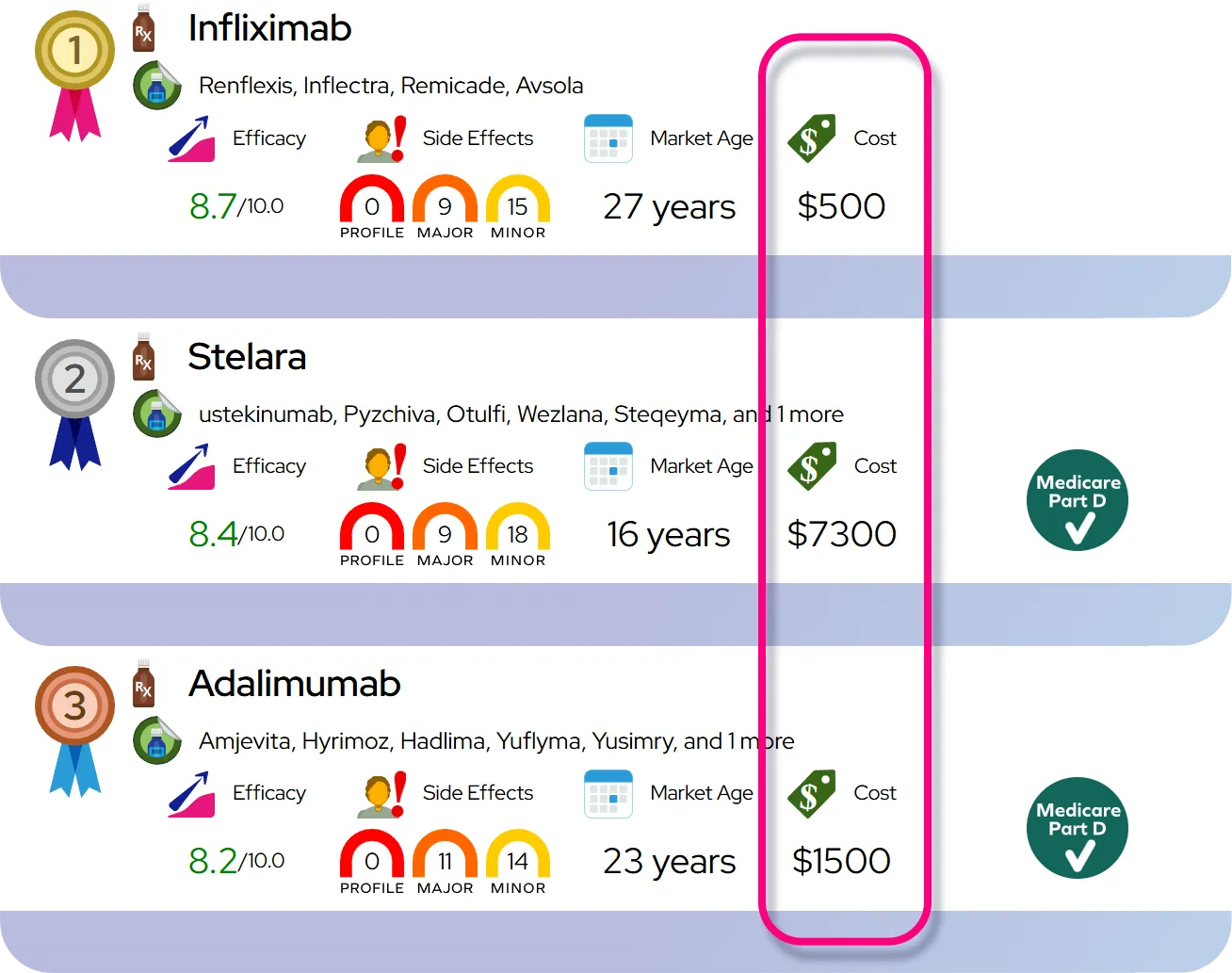
- Compared with injectable CGRP monoclonal antibodies, Qulipta offers similar preventive benefits for many patients with the convenience of a once-daily oral tablet, and compared with older preventives (such as beta-blockers or topiramate), it has a more targeted mechanism and often a more favorable side-effect profile.
Dosage and Administration
Typical dosing: For episodic migraine prevention in adults, the usual dose is 10 mg, 30 mg, or 60 mg by mouth once daily, while for chronic migraine prevention, 60 mg by mouth once daily is commonly used.
How to take: Swallow Qulipta tablets whole with water, with or without food, at about the same time each day, and do not crush, chew, or split the tablets unless specifically instructed by a healthcare professional.
Special dosing instructions: Lower doses may be recommended for people with significant kidney or liver impairment or when Qulipta is taken with certain interacting medicines (such as strong CYP3A4 inducers or inhibitors or some OATP inhibitors), according to prescriber guidance.
Missed dose: If you miss a dose, take it as soon as you remember on the same day, but skip it if it is almost time for your next dose, and never take two doses at once to make up for a missed dose.
Overdose: In case of an overdose or accidental ingestion by someone else, contact poison control or emergency medical services immediately, even if no symptoms are yet present.
Safety and Side Effects
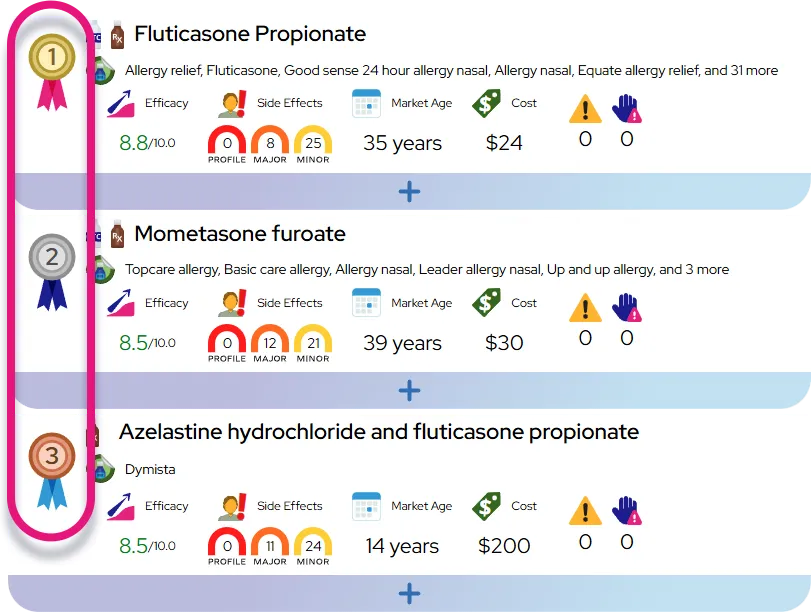
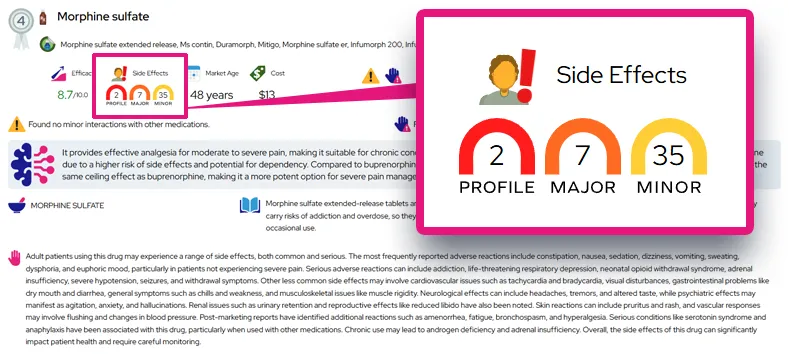
Common side effects: The most common side effects include nausea, constipation, fatigue or sleepiness, decreased appetite, and weight loss; these are usually mild to moderate, tend to appear in the first days to weeks of treatment, and may lessen as the body adjusts.
Serious or rare adverse effects: Seek immediate medical attention for signs of a severe allergic reaction (such as rash, hives, swelling of the face, lips, tongue, or throat, or trouble breathing), severe or persistent abdominal pain, yellowing of the skin or eyes, dark urine, or any sudden and unexplained worsening of headaches or other new severe symptoms.
Warnings and precautions: Use Qulipta with caution in people with significant liver or kidney disease or those taking other medicines that can affect the liver; its safety has not been established in pregnancy, during breastfeeding, or in children under 18 years, so use in these groups generally requires careful specialist evaluation of risks and benefits.
Safety compared with other migraine drugs: Unlike some older migraine treatments, Qulipta does not constrict blood vessels and is not known to increase cardiovascular risk or cause medication-overuse headache when taken as prescribed, and overall it is considered to have a favorable safety profile for many patients.
Reporting side effects and safety updates: Side effects should be reported to a healthcare professional and can also be reported to the FDA MedWatch program or the manufacturer, and current safety communications and prescribing information are available on the FDA’s drug information website.
Interactions and Precautions
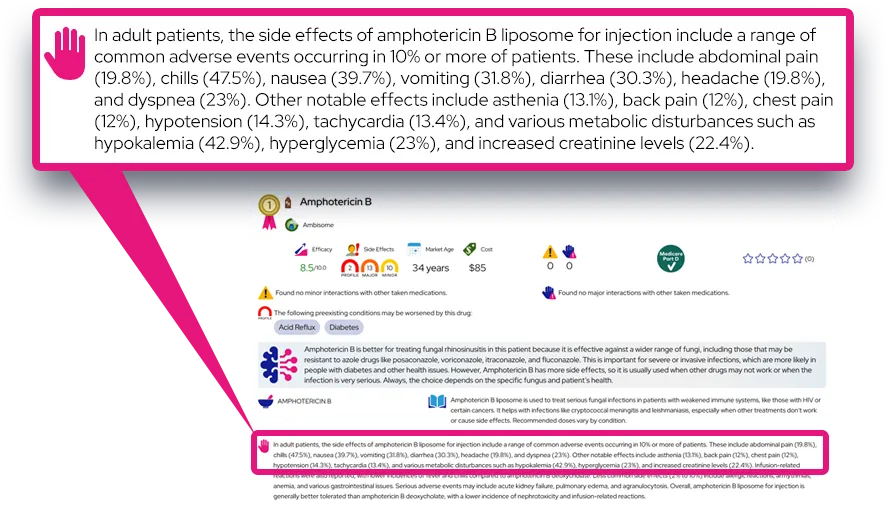
Prescription and OTC drug interactions: Strong CYP3A4 inducers (such as rifampin, carbamazepine, phenytoin, and St. John’s wort) can lower Qulipta levels and reduce its effectiveness, while strong CYP3A4 or OATP inhibitors (including some azole antifungals, certain HIV or hepatitis C antivirals, and cyclosporine) can increase Qulipta levels and may require dose adjustment or avoidance; always inform your prescriber about all prescription and over-the-counter medicines you use, including other migraine treatments.
Supplements, foods, and alcohol: Herbal products that affect liver enzymes, especially St. John’s wort, may interact and should generally be avoided with Qulipta unless specifically approved by a clinician, and while no specific food restrictions are required, limiting heavy alcohol use is advised to reduce liver stress and potential migraine triggers.
Conditions and co-medications needing caution: People with moderate to severe liver disease, severe kidney impairment, a history of serious allergic reactions to CGRP-blocking medicines, or those taking multiple drugs that can affect liver function should use Qulipta only with careful medical supervision and possible dose adjustments.
Monitoring needs: Routine lab tests or ECGs are not usually required, but clinicians may periodically check liver and kidney function in higher-risk patients or when Qulipta is used with other potentially hepatotoxic medicines, and may review blood pressure, weight, and headache frequency at follow-up visits.
Common Questions and Answers
Q: How long does it take for Qulipta to start working?
A: Many people begin to notice fewer migraine days within the first week, but the full benefit is usually assessed after taking it every day for about 2 to 3 months.
Q: Can I take Qulipta with my usual triptan or other acute migraine medicine?
A: Qulipta is used for prevention and can generally be taken along with acute migraine treatments such as triptans or NSAIDs, but your prescriber should review all your medicines to minimize interaction risks and avoid overuse of acute drugs.
Q: Will Qulipta cause weight gain or weight loss?
A: Qulipta is more often associated with decreased appetite and modest weight loss rather than weight gain, so your healthcare provider may monitor your weight, especially if you are already underweight or have appetite concerns.
Q: Is Qulipta safe to use during pregnancy or while breastfeeding?
A: There is limited information about Qulipta in pregnancy or breastfeeding, so it is typically avoided unless the potential benefits clearly outweigh the risks, and any decision to use it in these situations should be made with a specialist.
Q: What should I do if I do not see improvement on Qulipta?
A: If you have taken Qulipta consistently for several weeks to a few months without enough improvement, talk with your prescriber, who may adjust the dose, check for interactions or other causes of headaches, or switch you to a different preventive treatment.
Better Treatment, Lower Cost – No Catch.
Find safer, more effective medications with fewer side effects – often for less money. It’s fast, free, and personalized. Learn More →
Disposal Guidance
Storage: Store Qulipta tablets at room temperature (about 68–77°F or 20–25°C), in the original tightly closed container, protected from moisture, heat, and light, and keep them out of reach of children and pets.
Disposal: Do not flush unused or expired tablets; instead, use a drug take-back program when available, or if none is accessible, mix the tablets (do not crush) with an undesirable substance, seal in a bag or container, and place in household trash according to local guidance.