


At a Glance
 Nexlizet is approved for adults to lower LDL (“bad”) cholesterol in primary hyperlipidemia, including heterozygous familial hypercholesterolemia, and its bempedoic acid component is approved to reduce the risk of heart attack and certain heart procedures in high‑risk adults who cannot take recommended statin therapy.
 This is a brand drug with no generic or biosimilar.
 Active ingredients: Bempedoic Acid, Ezetimibe.

 Administration route: Oral.
 The usual adult dose is one 180 mg/10 mg Nexlizet tablet taken by mouth once daily, with or without food.

How It Works
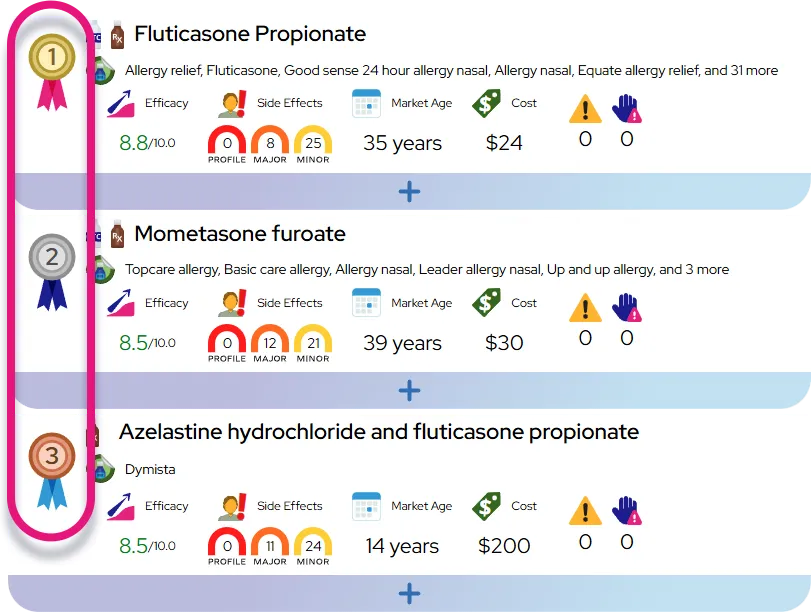
- Nexlizet combines two medicines: bempedoic acid, which works in the liver to slow down cholesterol production, and ezetimibe, which blocks cholesterol absorption from the intestine.
- By lowering how much cholesterol your body makes and absorbs, it helps remove more LDL (“bad”) cholesterol from the bloodstream.
- In studies, this combination lowered LDL cholesterol by about one‑third more than placebo when added to background therapy.
Treatment and Efficacy
Approved indications: Nexlizet is an oral combination of bempedoic acid and ezetimibe approved in adults as an adjunct to diet and exercise to lower LDL cholesterol in hypercholesterolemia, including heterozygous familial hypercholesterolemia, and the bempedoic acid component is approved to reduce major cardiovascular events (such as heart attack and coronary revascularization) in high‑risk adults who cannot take recommended statin therapy, including those not on a statin.
Off‑label use: Clinicians may use Nexlizet in statin‑intolerant adults whose LDL remains above target despite other therapies or together with additional LDL‑lowering drugs (such as PCSK9 inhibitors); evidence for these uses is mainly extrapolated from adult trials of bempedoic acid ± ezetimibe and not from dedicated labeled studies in children or in rare lipid disorders like homozygous familial hypercholesterolemia.
Efficacy expectations:
- LDL cholesterol typically falls by about 35–40% versus placebo within 4–12 weeks, with most of the effect seen by week 4 and maintained with ongoing dosing.
- In outcomes data for bempedoic acid, adding therapy in statin‑intolerant high‑risk adults reduced heart attacks and the need for coronary procedures compared with placebo, on top of standard care.
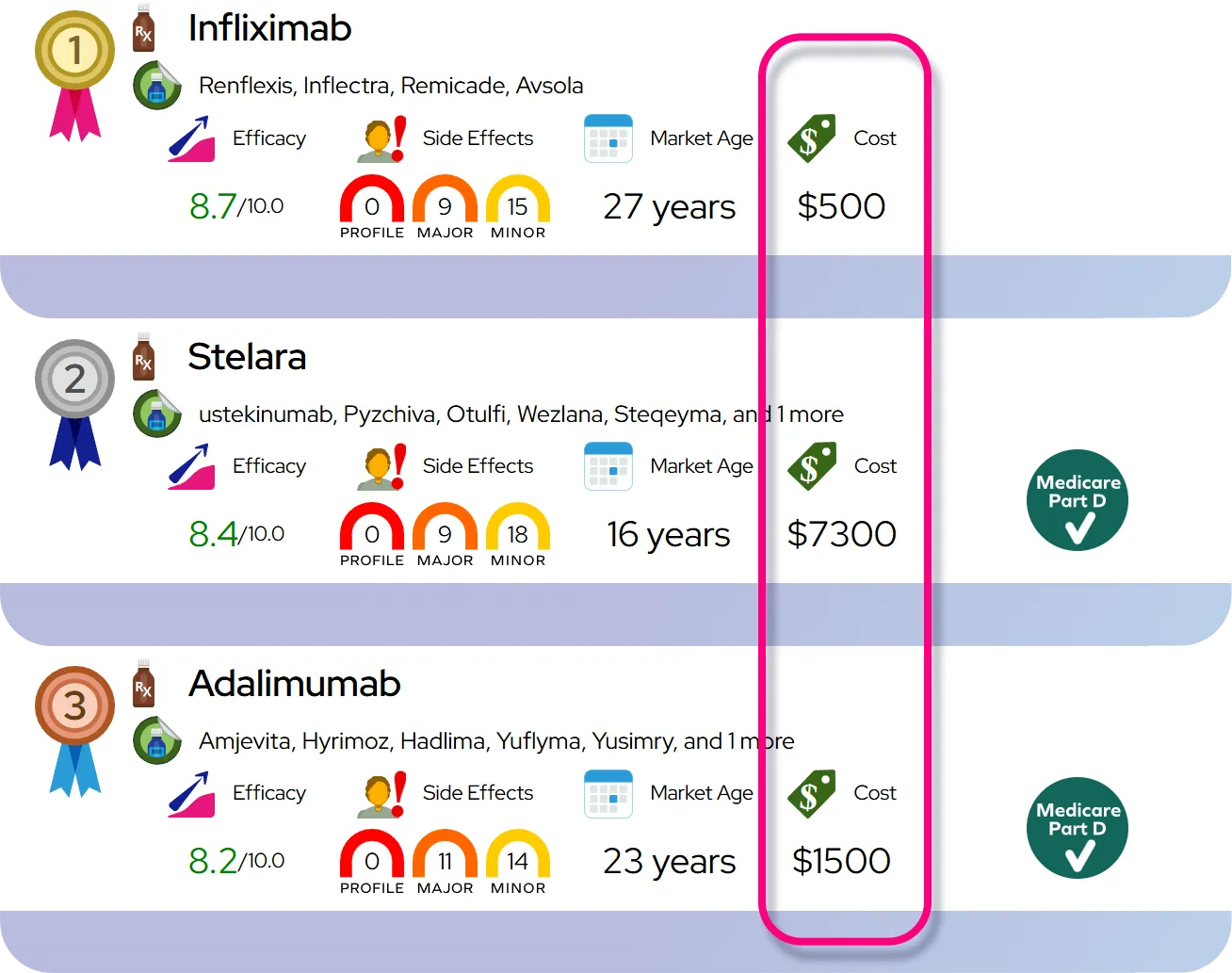
- Compared with ezetimibe or bempedoic acid alone, the fixed combination provides greater LDL reduction; however, very potent options such as PCSK9 inhibitors or inclisiran usually lower LDL more but require injections and may be less convenient or more costly.
Dosage and Administration
Typical dosing and how to take it:
- Adults take one Nexlizet tablet (180 mg bempedoic acid/10 mg ezetimibe) by mouth once daily; there is a single strength for all appropriate adult patients.
- Tablets should be swallowed whole with water, with or without food, at any time of day, but at roughly the same time each day.
- No routine dose titration is required; lipid levels are usually checked 8–12 weeks after starting or changing therapy.
Special dosing instructions:
- Bile acid sequestrants (such as cholestyramine, colestipol, colesevelam) can bind ezetimibe, so Nexlizet should be taken at least 2 hours before or at least 4 hours after these agents.
- In mild to severe kidney impairment, no dose adjustment is generally needed, but clinicians may monitor kidney function and uric acid more closely.
- In moderate or severe liver impairment (Child‑Pugh B or C), Nexlizet is not recommended because ezetimibe exposure increases; mild liver impairment usually does not require dose adjustment.
Missed dose and overdose:
- If a dose is missed, it should be taken as soon as remembered unless it is almost time for the next dose; in that case, skip the missed dose and resume the regular schedule—do not take two doses at once.
- In suspected overdose, especially if there are concerning symptoms such as severe dizziness, trouble breathing, or collapse, emergency care should be sought immediately and a poison control center (1‑800‑222‑1222 in the U.S.) contacted for guidance.
Safety and Side Effects
Common side effects:
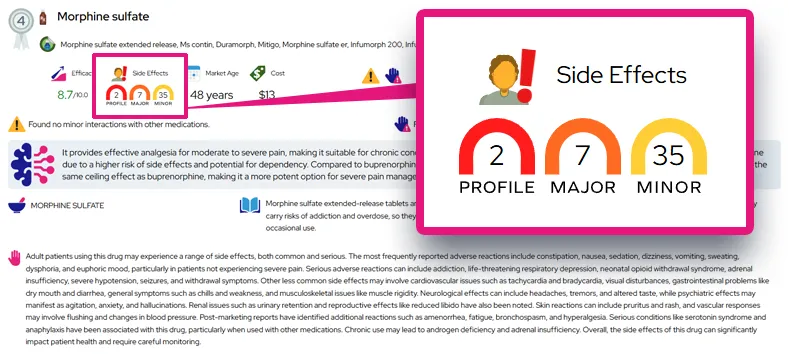
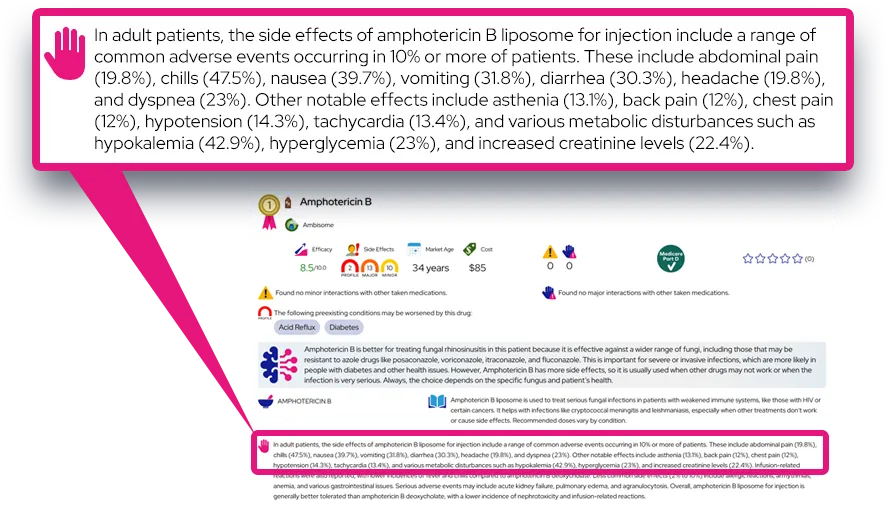
- Very common or common effects include upper respiratory or flu‑like symptoms, nasopharyngitis, bronchitis, sinusitis, diarrhea or constipation, abdominal pain, muscle spasms, back or limb pain, fatigue, and headache; these are usually mild to moderate and often appear in the first weeks of therapy.
- Nexlizet can increase uric acid and may trigger gout attacks, especially in people with a history of gout; this can occur within the first month and may persist while on treatment.
- Mild increases in liver enzymes and small changes in kidney function tests can occur and are typically monitored with periodic blood work.
Serious or rare adverse effects requiring immediate medical attention:
- Tendon problems or rupture (shoulder, biceps, Achilles) presenting as sudden tendon pain, swelling, bruising, or an audible “pop,” or inability to use the affected limb.
- Severe gout flares with intense joint pain, redness, and swelling, often in the big toe or feet.
- Severe allergic reactions such as anaphylaxis or angioedema, with facial or tongue swelling, difficulty breathing, wheezing, hives, or dizziness/fainting.
- Signs of significant liver or gallbladder issues (unusual fatigue, dark urine, right‑upper abdominal pain, yellowing of skin or eyes) or unexplained severe muscle pain and weakness.
Warnings and precautions:
- Not established for use in children; it is intended for adults, including older adults, without routine dose changes for age alone.
- Use is not recommended in moderate or severe liver impairment; caution and specialist guidance are advised in significant liver disease.
- Because it can raise uric acid and increase gout or kidney‑related issues, extra caution and monitoring are needed in people with a history of gout or advanced kidney disease.
- Pregnancy: based on how the drug works and effects on cholesterol pathways, it may harm an unborn baby; therapy is usually stopped once pregnancy is recognized unless the expected benefit clearly outweighs potential risk.
- Breastfeeding: drug components pass into breast milk; breastfeeding is generally not recommended during treatment, and an alternative to either the drug or breastfeeding should be chosen.
Safety compared with other lipid‑lowering drugs:
- Because bempedoic acid is activated mainly in the liver and not in skeletal muscle, Nexlizet tends to cause less muscle toxicity than high‑dose statins, though muscle symptoms can still occur, especially when combined with certain statins.
- Compared with injectable PCSK9‑targeting therapies, Nexlizet offers oral convenience but somewhat lower LDL‑lowering potency and a unique profile of risks (notably hyperuricemia, gout, and tendon injury).
Side‑effect reporting and safety updates: Patients can report side effects to the FDA MedWatch program (by phone at 1‑800‑FDA‑1088) and to the manufacturer’s adverse‑event line listed in the Medication Guide; updated safety information is provided through revised prescribing information and patient leaflets as new data emerge.
Interactions and Precautions
Drug and supplement interactions:
- Statins: the bempedoic acid component can raise levels of simvastatin and pravastatin; doses above 20 mg/day of simvastatin or 40 mg/day of pravastatin should generally be avoided when used with Nexlizet because of increased myopathy risk.
- Bile acid sequestrants: these bind ezetimibe and reduce its absorption, so Nexlizet must be taken at least 2 hours before or at least 4 hours after these medicines.
- Cyclosporine: can increase ezetimibe exposure; when combined, clinicians usually monitor cyclosporine levels and for ezetimibe‑related adverse effects.
- Fibrates (especially fenofibrate or gemfibrozil): may increase the risk of gallstones and muscle problems when used with ezetimibe‑containing regimens; careful risk–benefit assessment and symptom monitoring are recommended.
- Other prescription, OTC medicines, and herbal supplements: while Nexlizet has few major CYP‑mediated interactions, all medicines, vitamins, and supplements should be reviewed because some can influence uric acid, liver function, or tendon health.
- Alcohol: no direct interaction is known, but heavy alcohol intake can worsen liver function and gout risk, which may compound Nexlizet’s effects on liver enzymes and uric acid.
Food and lifestyle interactions:
- Nexlizet can be taken without regard to meals, but it is meant to be used together with a heart‑healthy, low‑cholesterol diet, weight management, and regular physical activity when appropriate.
- Very high‑purine diets (certain red meats, organ meats, some seafood, and heavy alcohol or sugary drinks) may further raise uric acid and gout risk while on Nexlizet.
Precautions and monitoring:
- A history of gout, hyperuricemia, tendon disorders, or tendon rupture increases the risk of gout flares and tendon injury; such patients may need closer monitoring or an alternative therapy.
- Moderate or severe liver disease is a contraindication or strong precaution because of altered ezetimibe handling; baseline and periodic liver function tests are often obtained.
- Renal impairment typically does not require dosing changes, but clinicians may monitor renal function, uric acid, and for signs of renal impairment during long‑term therapy.
- Routine monitoring includes fasting lipid panels (usually 8–12 weeks after initiation and periodically thereafter), and as clinically indicated, liver enzymes, uric acid, and sometimes complete blood counts and kidney function tests.
Common Questions and Answers
Q: Is Nexlizet a statin?
A: No, Nexlizet is not a statin; it combines bempedoic acid (an ACL inhibitor that works in the liver) with ezetimibe (a cholesterol‑absorption inhibitor), and is often used when statins alone are not enough or are not tolerated.
Q: How long does it take for Nexlizet to start lowering my cholesterol?
A: LDL cholesterol usually begins to drop within a few weeks, with most of the effect seen by about 4 weeks and confirmed on blood tests at 8–12 weeks.
Q: Can Nexlizet be taken with my current statin?
A: Nexlizet is commonly added to statins, but doses of simvastatin should usually not exceed 20 mg and pravastatin should not exceed 40 mg daily when used together; your clinician will review your specific statin dose and adjust if needed.
Q: What if I have muscle pain while taking Nexlizet?
A: Mild muscle aches can occur, especially if you also take a statin, but sudden severe muscle pain, weakness, or tendon pain or swelling should be reported immediately so your clinician can check for muscle or tendon injury and decide whether to stop the drug.
Q: Do I need regular blood tests while on Nexlizet?
A: Yes, your healthcare provider will typically check your cholesterol about 8–12 weeks after starting and then periodically, and may also monitor liver enzymes, kidney function, and uric acid levels, particularly if you have risk factors for gout or liver disease.
Q: Can I stop Nexlizet once my cholesterol is controlled?
A: Stopping Nexlizet usually allows LDL cholesterol to rise again over time; decisions about continuing, changing, or stopping therapy should be made with your clinician based on your long‑term cardiovascular risk and treatment goals.
Better Treatment, Lower Cost – No Catch.
Find safer, more effective medications with fewer side effects – often for less money. It’s fast, free, and personalized. Learn More →
Disposal Guidance
Storage: Store Nexlizet in the original, tightly closed bottle at room temperature (68°F to 77°F / 20°C to 25°C), keep the desiccant packet in the bottle, and protect it from heat, moisture, and humidity; do not store it in the bathroom.
Disposal: When no longer needed or expired, use a community drug take‑back program if available, or follow pharmacist or local waste guidelines for mixing tablets (in a sealed bag or container) with unappealing household trash before discarding; keep all unused and discarded medicine out of reach of children and pets.