


At a Glance
 Guaifenesin and codeine phosphate is approved by mouth to temporarily relieve cough and help loosen mucus due to the common cold or minor upper respiratory infections in adults 18 years and older.
 Generic/Biosimilar name: Guaifenesin and codeine phosphate.
 Active ingredients: Codeine Phosphate, Guaifenesin.

 Administration route: Oral.
 For adults, a typical regimen is 10 mL by mouth every 4–6 hours as needed for cough, not exceeding the maximum daily volume listed on the specific product label.

How It Works
- Guaifenesin thins and loosens mucus in the airways so it is easier to cough up.
- Codeine acts in the brain to reduce the cough reflex and the urge to cough.
- Together they make coughs less frequent but more productive, which can feel more comfortable while you recover.
Treatment and Efficacy
Approved indications: Oral guaifenesin and codeine phosphate combinations are approved to temporarily relieve cough due to minor throat and bronchial irritation from the common cold or other acute upper respiratory infections and to help loosen and thin mucus so coughs are more productive in adults 18 years and older.
Off‑label uses: Clinicians may occasionally prescribe similar codeine–guaifenesin products for troublesome cough from other causes (such as chronic bronchitis or other respiratory diseases), but evidence that opioid cough suppressants meaningfully improve chronic cough is limited, and non‑opioid treatments and evaluation of underlying causes are generally preferred.
Efficacy expectations:
- Many adults notice less frequent, less disruptive coughing and easier mucus clearance within the first few doses (within hours to a day).
- The medication only eases symptoms; it does not cure the infection or shorten the overall course of a cold.
- Compared with non‑opioid cough medicines, it may provide somewhat stronger cough suppression for some adults but carries higher risks (sedation, dependence, breathing problems), so it is usually reserved for short‑term use when other measures are insufficient.

Dosage and Administration
Typical dosing and how to take it:
- Many adult formulations contain 10 mg codeine phosphate and 100–200 mg guaifenesin per 5 mL; a common adult dose is 10 mL by mouth every 4–6 hours as needed for cough, not exceeding the maximum daily volume specified on that product’s label.
- Measure each dose with the supplied device or a marked oral syringe or medicine cup, not a kitchen spoon, to avoid dosing errors.
- It may be taken with or without food; taking it with a small snack can reduce nausea for some people.
- Swallow the liquid; do not mix with alcohol, and avoid driving or operating machinery until you know how drowsy it makes you.
Special dosing instructions:
- Use the lowest effective dose for the shortest time needed to control symptoms.
- In older adults or people with liver, kidney, or significant lung disease, prescribers often start at the lower end of the dose range and may lengthen the dosing interval.
- Do not combine with other products that contain codeine or similar opioids unless specifically directed by your clinician.
Missed dose: If you are taking it on a schedule and miss a dose, take it when you remember unless it is almost time for your next dose; in that case, skip the missed dose and resume your regular schedule—do not double up.
Overdose: In case of suspected overdose (extreme drowsiness, very slow or shallow breathing, inability to wake the person, or pinpoint pupils), call emergency services or Poison Help right away and do not give more medicine; naloxone, if available, may be lifesaving while awaiting medical care.
Safety and Side Effects
Common side effects:
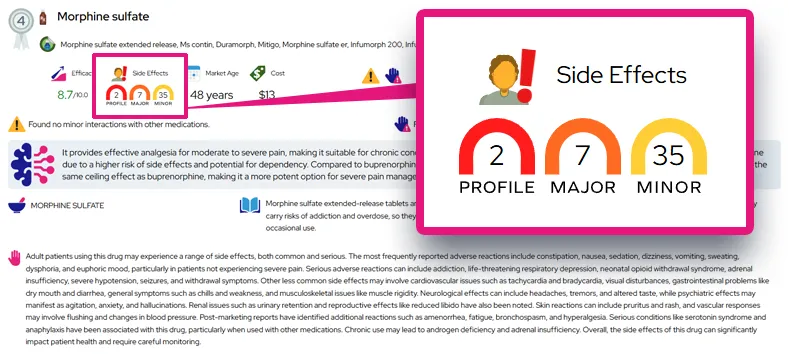
- Drowsiness, dizziness, lightheadedness, and slowed reaction time are frequent due to the codeine component.
- Nausea, vomiting, constipation, dry mouth, and mild headache can occur, especially when starting treatment or at higher doses.
- Mild itching, sweating, or a feeling of warmth may appear and are usually not dangerous but should be mentioned to your prescriber if bothersome.
Serious or rare adverse effects (seek immediate care):
- Slow or difficult breathing, unusual snoring, blue lips or fingertips, or extreme sleepiness/unresponsiveness (signs of opioid overdose or respiratory depression).
- Severe allergic reactions such as swelling of the face, lips, tongue, or throat, trouble breathing, or widespread rash/hives.
- Confusion, fainting, severe dizziness, chest pain, or seizures.
- Signs of misuse or dependence (craving the medicine, taking more than prescribed, or withdrawal symptoms when stopping).
Warnings and precautions:
- Age: Prescription opioid cough medicines containing codeine are intended for adults 18 years and older and are not recommended in children or adolescents due to the risk of serious breathing problems.
- Pregnancy: Short‑term use late in pregnancy can cause newborn breathing problems or withdrawal; use only if clearly needed and after discussion with a clinician.
- Breastfeeding: Not recommended, because codeine passes into breast milk and in some mothers is converted rapidly to morphine, which can dangerously sedate or depress breathing in the infant.
- Breathing problems: Use with great caution or avoid in people with asthma, COPD, sleep apnea, or other chronic lung disease.
- Liver or kidney disease, older age, or frailty: These conditions can increase drug levels and side effects; lower doses or closer monitoring may be needed.
Safety compared with other cough medicines: Compared with non‑opioid options like dextromethorphan or benzonatate, guaifenesin–codeine products have higher risks of sedation, falls, dependence, and respiratory depression, so they are generally used for short periods and only when benefits clearly outweigh risks.
Side‑effect reporting and safety updates: Patients and caregivers can report suspected side effects to the FDA MedWatch program or to their prescriber or pharmacist, and up‑to‑date safety communications are available on the FDA’s website and from the product manufacturer.
Interactions and Precautions
Major drug and substance interactions:
- Other central nervous system depressants (such as other opioids, benzodiazepines, sleep medicines, some antipsychotics, muscle relaxants, or alcohol) can greatly increase drowsiness, breathing problems, and overdose risk.
- Other cough, cold, or pain products that contain codeine or similar opioids can lead to accidental duplicate dosing.
- Medicines that strongly affect the liver enzyme CYP2D6 (for example some antidepressants like fluoxetine or paroxetine) can change how your body converts codeine, reducing effect in some people or, in rare genetic "ultra‑rapid" metabolizers, increasing the risk of opioid toxicity.
- Sedating antihistamines and certain herbal or dietary supplements (such as valerian, kava, or high‑dose melatonin) may add to drowsiness and impairment.
Precautions and conditions requiring extra care:
- Pre‑existing breathing disorders (asthma, COPD, sleep apnea), severe obesity, or other conditions that make breathing shallow or weak.
- History of substance use disorder or prior opioid misuse, which increases the risk of dependence and addiction.
- Head injury, seizures, significant low blood pressure, or gastrointestinal obstruction, where opioids may worsen symptoms.
- Liver or kidney impairment, or advanced age, which can increase drug exposure and side effects.
Monitoring needs: For most short‑term use, no routine blood tests are required, but clinicians may monitor for excessive sedation, breathing difficulty, blood pressure changes, and signs of misuse or dependence, and may check liver or kidney function in people with underlying organ disease or prolonged use.
Common Questions and Answers
Q: What is guaifenesin and codeine phosphate used for?
A: It is an oral prescription medicine used in adults to temporarily relieve cough due to minor throat and bronchial irritation from colds or other acute upper respiratory infections and to help loosen and thin mucus so coughs are more productive.
Q: How quickly will it start to work?
A: Many people notice less frequent, less bothersome coughing and easier mucus clearance within the first few doses, often within a few hours, although it does not cure the underlying illness.
Q: Can I drive or work while taking this medicine?
A: Because codeine can cause significant drowsiness, slowed reaction time, and dizziness, you should avoid driving, operating machinery, or doing tasks that require full alertness until you know how the medicine affects you.
Q: Is it safe to drink alcohol with guaifenesin and codeine phosphate?
A: No, you should not drink alcohol while taking this medicine because alcohol adds to the sedative and breathing‑suppressing effects of codeine and increases the risk of dangerous overdose.
Q: Why isn’t this recommended for children?
A: Due to reports of life‑threatening breathing problems and deaths in children who received codeine, prescription codeine‑containing cough medicines are now labeled for adults only, and safer non‑opioid options are preferred for children.
Q: Can I use it if I am pregnant or breastfeeding?
A: Use in pregnancy requires careful discussion of risks and benefits with your clinician, and it is generally not recommended while breastfeeding because codeine and its active metabolites can pass into breast milk and may seriously harm a nursing baby.
Better Treatment, Lower Cost – No Catch.
Find safer, more effective medications with fewer side effects – often for less money. It’s fast, free, and personalized. Learn More →
Disposal Guidance
Storage: Keep the bottle tightly closed at room temperature (about 68–77°F), protected from heat, moisture, and light, and always stored out of sight and reach of children, teens, and pets because it contains an opioid (codeine).
Disposal: When no longer needed, do not keep leftover doses; use a drug take‑back program if available, or follow the product label or pharmacist’s instructions, which may include mixing the medicine with an undesirable substance in a sealed container (or flushing only if specifically recommended for that product) before throwing it away, to prevent accidental use or misuse.