


At a Glance
 Oral estradiol and norethindrone acetate is FDA-approved for use in postmenopausal women to treat moderate to severe menopausal symptoms (such as hot flashes and vulvar/vaginal atrophy) and to help prevent postmenopausal osteoporosis when other options are not suitable.
 Generic/Biosimilar name: Estradiol and norethindrone acetate.
 Active ingredients: Estradiol, Norethindrone Acetate.

 Administration route: Oral.
 Typical oral dosing is one tablet once daily, most commonly 0.5 mg estradiol/0.1 mg norethindrone acetate or 1 mg estradiol/0.5 mg norethindrone acetate, using the lowest effective dose for the shortest duration needed.

How It Works
- Estradiol replaces some of the estrogen that the ovaries no longer make after menopause, which helps relieve hot flashes and vaginal dryness and supports bone strength.
- Norethindrone acetate is a progestin that protects the uterine lining from overgrowth that can be caused by estrogen alone in women with a uterus.
- Together, they provide a steady level of hormones to reduce menopausal symptoms while lowering the risk of estrogen-related overgrowth of the endometrium.
Treatment and Efficacy
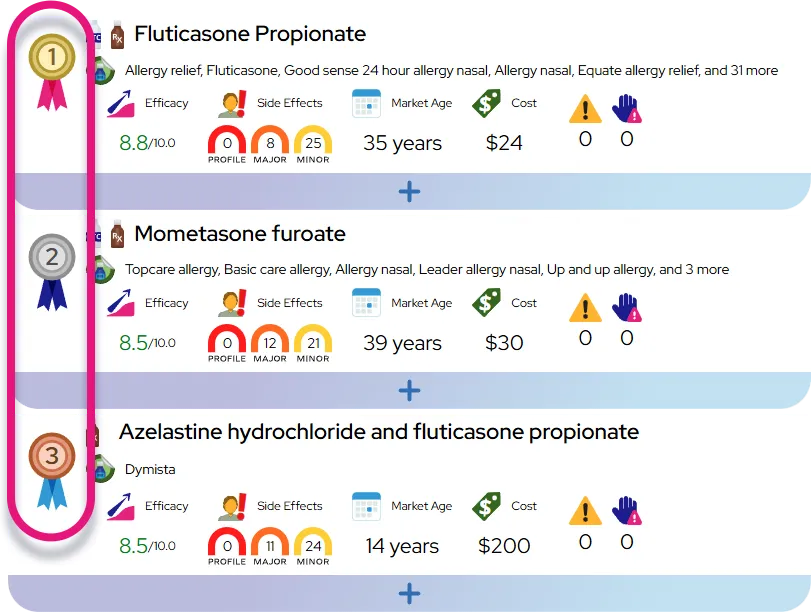
Approved indications: Oral estradiol/norethindrone acetate is approved for postmenopausal women to treat moderate to severe vasomotor symptoms (such as hot flashes and night sweats), to treat moderate to severe vulvar and vaginal atrophy due to menopause (when a topical vaginal product is not appropriate), and to prevent postmenopausal osteoporosis in women at significant risk who cannot use non-estrogen alternatives.
Off-label uses and evidence: Clinicians may use similar estrogen–progestin combinations off-label for women with premature or early menopause or surgical menopause when hormone therapy is needed; evidence supports estrogen–progestin therapy in these settings, but data are usually based on hormone therapy as a class rather than specifically on this exact branded combination.
Efficacy expectations: Many women notice improvement in hot flashes and night sweats within 2–4 weeks, with maximal benefit over about 3 months; vaginal symptoms may improve within several weeks but can be slower than with local vaginal estrogen, and bone-protective effects are long term and depend on continued use.
Comparison to similar drugs: Estradiol/norethindrone acetate is comparable in effectiveness to other systemic estrogen–progestin hormone therapies for menopausal symptoms and bone protection, with choice among products usually based on dose, route (oral vs transdermal), bleeding profile, and individual risk factors rather than large differences in symptom control.
Dosage and Administration
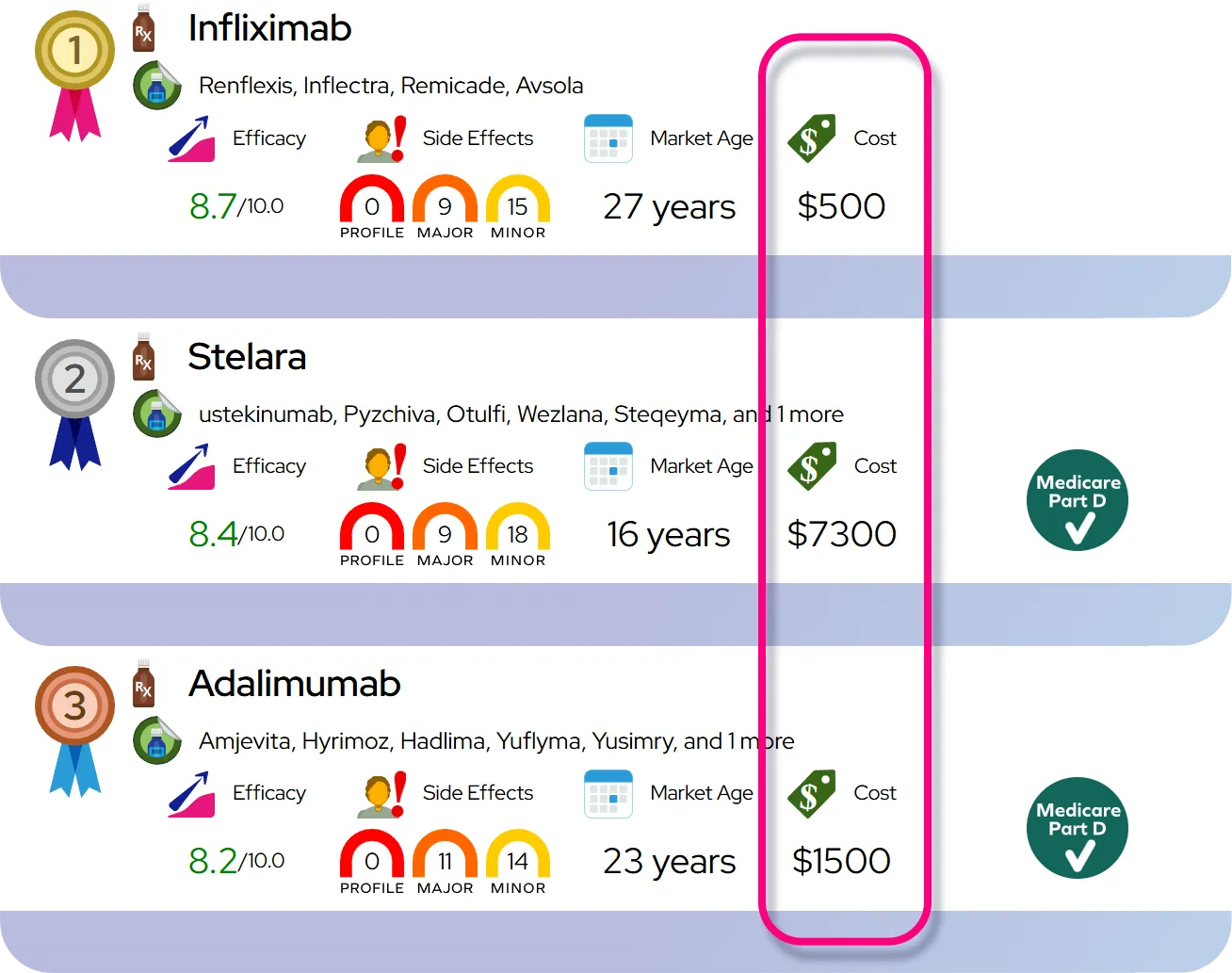
Typical dosing: For postmenopausal women, common regimens are one oral tablet once daily containing 0.5 mg estradiol/0.1 mg norethindrone acetate or 1 mg estradiol/0.5 mg norethindrone acetate, with the specific strength and duration tailored to symptom control and individual risk factors.
How to take it: Swallow the tablet whole with water, with or without food, ideally at the same time each day; do not crush or chew the tablet, and continue regular follow-up visits to reassess the need for ongoing therapy.
Special dosing instructions: Treatment is generally started at the lowest effective dose, and your prescriber may adjust the dose or switch strengths based on symptom relief, bleeding patterns, and side effects; women with a uterus usually take this combined product continuously to reduce endometrial cancer risk associated with estrogen alone.
Missed dose guidance: If you miss a dose, take it as soon as you remember on the same day, but if it is almost time for the next dose, skip the missed dose and resume your regular schedule; do not take two doses at once to make up for a missed tablet, as this can increase side effects like nausea or bleeding.
Overdose: Taking too many tablets may cause nausea, vomiting, breast tenderness, or vaginal bleeding; in case of suspected overdose, contact a poison control center or seek emergency medical care, especially if severe symptoms occur or if a child has taken the medicine.
Safety and Side Effects
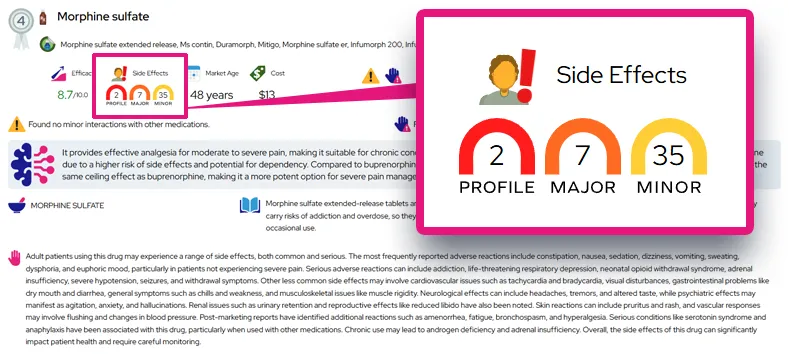
Common side effects: Frequently reported effects include breast tenderness, headache, nausea, mild abdominal discomfort, mood changes, and irregular or breakthrough vaginal bleeding or spotting, especially during the first months; these are usually mild to moderate and may lessen as the body adjusts.
Serious or rare adverse effects: Seek immediate medical attention for symptoms of blood clots (sudden leg pain or swelling, chest pain, shortness of breath), stroke (sudden weakness, trouble speaking, severe headache), heart attack (chest pressure, pain spreading to arm or jaw), severe vision changes, jaundice or dark urine, severe abdominal pain, or new breast lumps or unusual vaginal bleeding.
Warnings and precautions: This medicine should not be used if you have or have had breast cancer, estrogen-dependent cancers, unexplained vaginal bleeding, active or past blood clots, stroke, heart attack, severe liver disease, or known pregnancy; it is not a contraceptive and is generally avoided during breastfeeding and in children or adolescents.
Use in special populations: Caution and dose individualization are needed in women with risk factors such as high blood pressure, high cholesterol, diabetes, obesity, smoking, migraine with aura, or a strong family history of breast cancer or thrombosis, as well as in those with liver, gallbladder, or kidney disease.
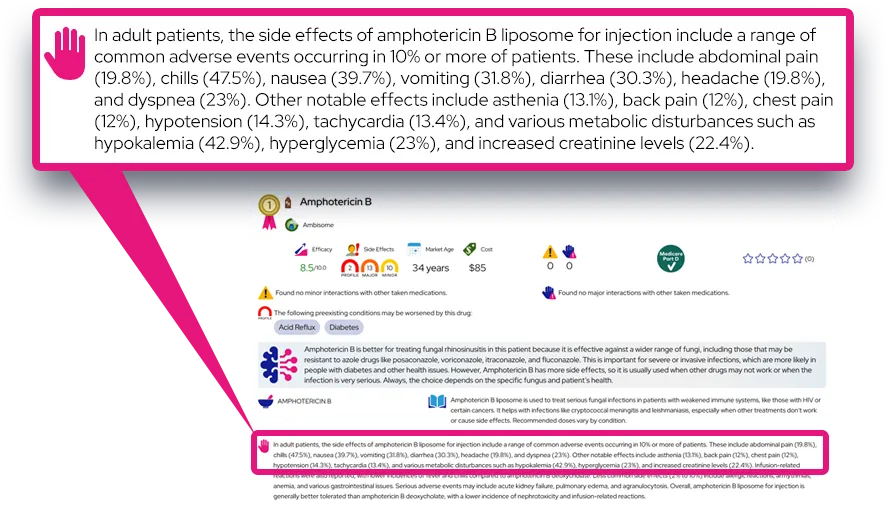
Overall safety profile: As with other systemic estrogen–progestin therapies, long-term use is associated with small but real increases in the risk of blood clots, stroke, certain cancers (such as breast cancer with prolonged use), and possibly heart disease in some age groups; risks are generally lower when started near the time of menopause, at the lowest effective dose, for the shortest duration consistent with treatment goals.
Reporting side effects and safety updates: Side effects can be reported to the FDA MedWatch program (online or by phone) and information about ongoing safety communications for hormone therapy products can be found on the FDA’s website or through healthcare professionals and pharmacists.
Interactions and Precautions
Drug and supplement interactions: Certain medicines that speed up liver metabolism, such as some anti-seizure drugs (like carbamazepine, phenytoin), rifampin, and the herbal supplement St. John’s wort, can reduce estradiol and norethindrone levels and make the therapy less effective; other drugs (some HIV or hepatitis C medications, azole antifungals, and macrolide antibiotics) may raise hormone levels and side-effect risk.
Other interaction considerations: Estrogen–progestin therapy can interact with thyroid replacement (changing thyroid test results and sometimes requiring dose adjustment), blood thinners (like warfarin), and possibly lamotrigine, which may be less effective when used with estrogen; always review all prescription, over-the-counter, and herbal products with your clinician or pharmacist.
Food, alcohol, and lab tests: There are no major food restrictions, but taking the tablet consistently with or without food can help with tolerability; alcohol should be limited because it may add to liver strain and can be associated with increased breast cancer risk when combined with long-term estrogen use, and hormone therapy can affect some lab test results (such as thyroid and certain clotting or lipid tests).
Precautions and who should avoid it: This drug is generally avoided in women with a history of estrogen-dependent cancers, blood clots, stroke, heart attack, severe liver disease, unexplained vaginal bleeding, or known pregnancy; women who smoke, are older, or have cardiovascular risk factors need careful evaluation and monitoring.
Monitoring needs: Regular follow-up usually includes blood pressure checks, breast exams and routine mammography as age-appropriate, pelvic exams, review of vaginal bleeding patterns, and periodic reassessment of cardiovascular and breast cancer risk; additional tests (such as lipids, blood sugar, or liver function) may be ordered based on individual health status and other medications.
Common Questions and Answers
Q: What is estradiol and norethindrone acetate used for?
A: It is an oral hormone therapy for postmenopausal women, used to relieve moderate to severe hot flashes and other menopausal symptoms, treat vulvar and vaginal atrophy when local therapy is not suitable, and help prevent postmenopausal osteoporosis in women at higher fracture risk.
Q: How long does it take to start working?
A: Many women notice some relief of hot flashes and night sweats within 2–4 weeks, with full benefit often seen over about 2–3 months, while bone-protective effects depend on longer-term, consistent use.
Q: Can I use this medication as birth control?
A: No, this combination of estradiol and norethindrone acetate is not approved or reliable as a contraceptive and should not be used to prevent pregnancy.
Q: Will I still have periods or spotting while taking it?
A: Some women have irregular bleeding or spotting, especially in the first several months of therapy, and this often decreases over time, but any heavy, persistent, or new unusual bleeding should be reported to a healthcare professional.
Q: Does estradiol and norethindrone acetate increase my risk of cancer or blood clots?
A: Like other systemic estrogen–progestin therapies, long-term use can slightly increase the risk of breast cancer, blood clots, stroke, and possibly heart disease in some women, so it is prescribed at the lowest effective dose for the shortest time that meets treatment goals and with regular monitoring of individual risks.
Q: What should I do if I want to stop taking it?
A: Do not stop suddenly without talking to your prescriber, because symptoms can return; your clinician may recommend tapering the dose or switching to another approach based on how severe your symptoms are and your risk profile.
Better Treatment, Lower Cost – No Catch.
Find safer, more effective medications with fewer side effects – often for less money. It’s fast, free, and personalized. Learn More →
Disposal Guidance
Storage: Keep tablets at room temperature (generally 68–77°F or 20–25°C), in the original container, tightly closed, away from moisture, heat, and light, and out of reach of children and pets.
Disposal: Do not flush unused tablets down the toilet or pour them into drains; instead, use a community medicine take-back program when available or, if none is accessible, mix tablets (without crushing) with an undesirable substance like used coffee grounds or cat litter, seal in a plastic bag, and place in household trash.