


At a Glance
 Yeztugo (lenacapavir) is FDA‑approved as pre‑exposure prophylaxis (PrEP) to reduce the risk of sexually acquired HIV‑1 in HIV‑negative adults and adolescents weighing at least 35 kg.
 This is a brand drug (Yeztugo) with no generic or biosimilar.
 Active ingredient: Lenacapavir Sodium.

 Administration route: Oral.
 For HIV‑1 PrEP, Yeztugo tablets are taken as 600 mg by mouth on days 1 and 2 of initiation and, if needed, 300 mg once weekly as a temporary bridge when a scheduled injection is delayed.

How It Works
- Yeztugo contains lenacapavir, which targets the protein shell (capsid) that HIV needs to protect its genetic material and replicate.
- By tightly binding to the capsid, it blocks several steps in the HIV life cycle, including entry into cells, movement of viral DNA into the nucleus, and assembly of new virus particles.
- This makes it much harder for HIV to establish an infection in the body when you are exposed through sex, especially when doses are taken on schedule.
Treatment and Efficacy
Approved indications
Yeztugo is indicated as pre‑exposure prophylaxis (PrEP) to reduce the risk of sexually acquired HIV‑1 in adults and adolescents who weigh at least 35 kg and are at risk for HIV‑1, and it must only be used in people who test HIV‑negative before starting and before each injection.
Off‑label uses
There are currently no well‑established off‑label uses for Yeztugo tablets; although the same active ingredient (lenacapavir) is marketed separately as Sunlenca for treatment of multidrug‑resistant HIV‑1, Yeztugo itself is not approved or recommended as treatment for established HIV infection and should not be used alone in people with known or suspected HIV because this can quickly produce drug‑resistant virus.
Efficacy expectations
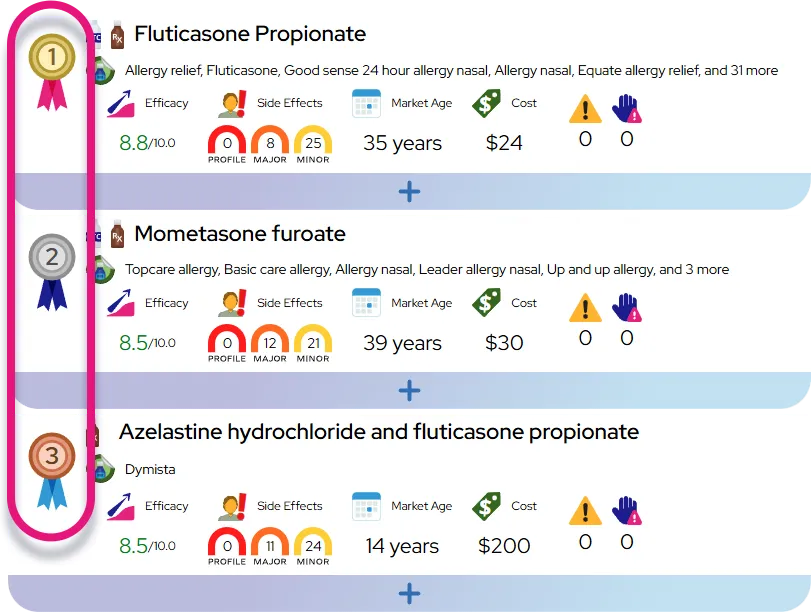
When people complete the required two‑day initiation with tablets plus injections and then receive injections every 6 months on schedule, clinical trials (PURPOSE 1 and 2) showed extremely low rates of new HIV infections, with roughly 99.9% of participants on Yeztugo remaining HIV‑negative during follow‑up and HIV incidence markedly lower than with standard daily oral PrEP in the same studies. Protection is maintained between injections as long as the dosing schedule and HIV testing plan are followed, but it does not protect against other sexually transmitted infections, so safer‑sex practices such as condom use remain important. Compared with daily oral PrEP pills and every‑2‑month injectable cabotegravir, Yeztugo’s twice‑yearly injection schedule can make adherence easier for many people, though real‑world effectiveness will depend on keeping appointments and promptly addressing any missed doses.
Dosage and Administration
Typical dosing and how to take it
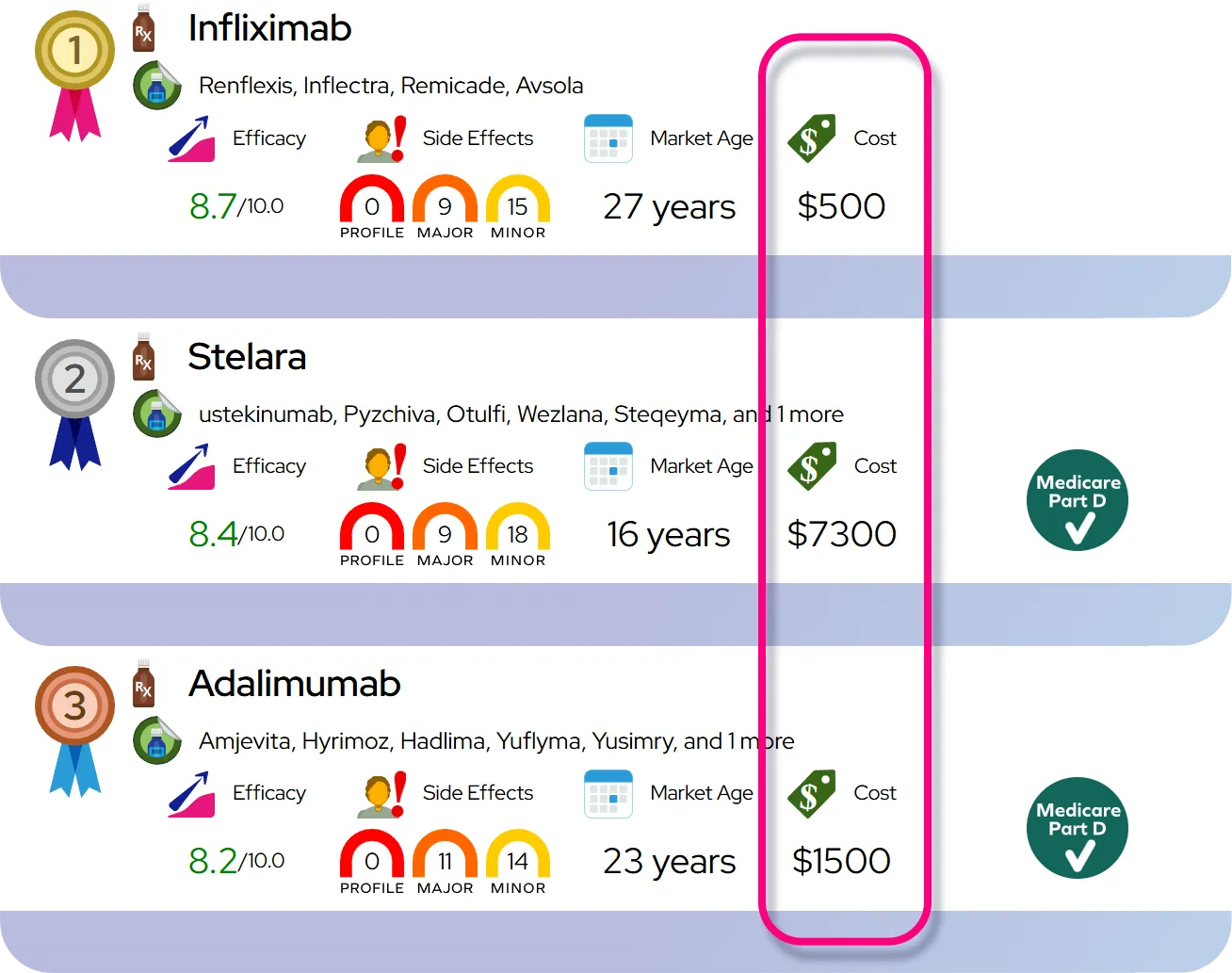
For adults and adolescents weighing at least 35 kg, Yeztugo PrEP uses both injections (given by a healthcare provider) and oral tablets: on Day 1 you receive two subcutaneous injections and take 600 mg of tablets by mouth (two 300‑mg tablets), on Day 2 you again take 600 mg of tablets by mouth, and thereafter you receive two injections every 6 months (26 weeks) from the date of the last injection. The tablets are swallowed whole (do not crush or split), can be taken with or without food at any time of day, and are used again only if an injection will be delayed by more than 2 weeks, in which case one 300‑mg tablet is taken once every 7 days for up to 6 months until injections resume, with the next injections scheduled within 7 days after the last tablet.
Special dosing instructions
You must have a documented negative HIV‑1 test before starting Yeztugo and before each subsequent injection, with additional testing if you have possible symptoms or exposures suggestive of acute HIV infection. The usual dose does not need adjustment for mild, moderate, or severe kidney impairment (down to an estimated creatinine clearance of 15 mL/min) or for mild to moderate liver impairment, but the drug has not been studied in end‑stage kidney disease or severe liver disease, so prescribers may monitor kidney and liver function. Some medicines that strongly or moderately induce CYP3A (such as certain tuberculosis drugs, seizure medicines, and herbal products like St John’s wort) require specific supplemental lenacapavir dosing or may not be compatible with the weekly oral schedule, so dosing must be individualized if those drugs are started.
Missed doses and overdose
If you miss the Day 2 tablets, you should take that 600‑mg oral dose as soon as possible on a different day than Day 1, then continue with your planned injection schedule. If a scheduled 6‑month injection visit will be more than 2 weeks late, you should contact your provider right away to discuss options, which may include starting weekly 300‑mg tablets temporarily; if more than 28 weeks have passed since the last injection and you have not taken bridging tablets, you may need to restart the full two‑day initiation regimen. Taking too many tablets at once is unlikely to cause immediate life‑threatening effects but could increase side effects, so you should contact your healthcare provider, poison control center, or the nearest emergency department for advice if an overdose occurs.
Safety and Side Effects
Common side effects
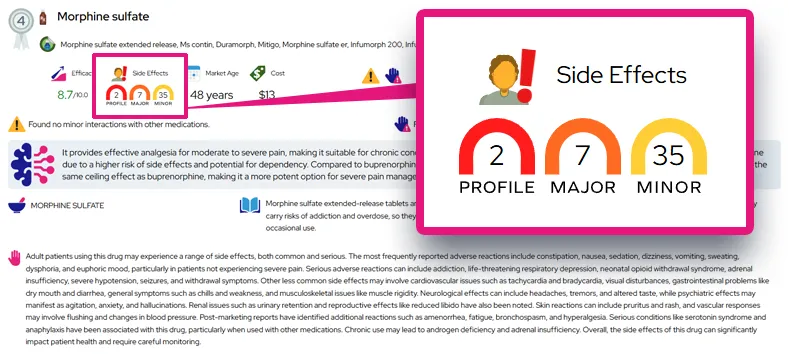
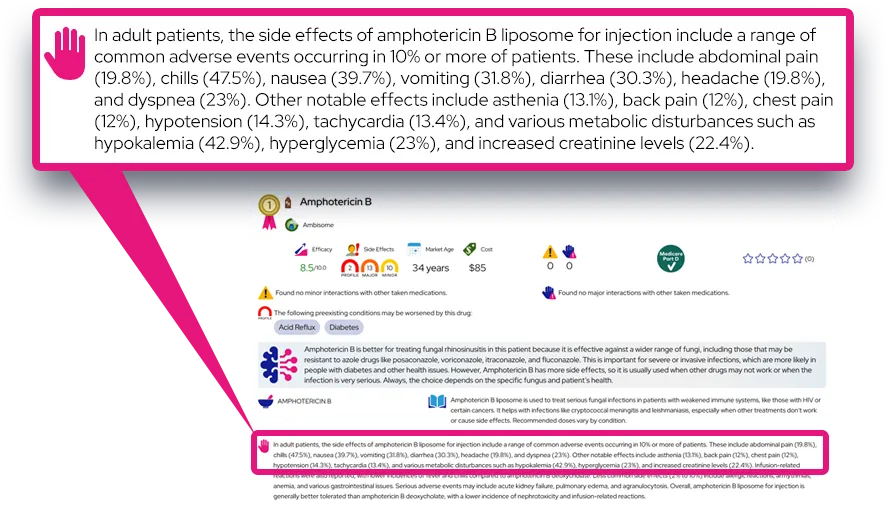
The most common side effects are injection‑site reactions (such as pain, lumps or bumps, hardened skin, swelling, itching, redness, bruising, or warmth where the shot was given), headache, and nausea; injection‑site reactions are very frequent but usually mild to moderate and tend to improve over time, while headache and nausea are generally mild and short‑lived.
Serious or rare adverse effects
Serious injection‑site problems are uncommon but can occur if the injection is given too shallowly, and may include severe skin damage (necrosis) or open sores (ulcers) that need urgent medical attention. A major safety concern is developing HIV while on Yeztugo—particularly if HIV was already present but undiagnosed—which can lead to HIV strains that are resistant to lenacapavir and possibly other drugs, so anyone with symptoms or exposures suggesting HIV should be tested promptly and switched to full HIV treatment if infection is confirmed. As with most medications, severe allergic reactions are possible but rare; seek emergency care for symptoms such as trouble breathing, swelling of the face or throat, or a widespread rash.
Warnings and precautions
Yeztugo has a boxed warning about the risk of drug‑resistant HIV if it is used by people with undiagnosed HIV‑1 infection, so HIV testing with an appropriate assay is required before starting and before every injection, and the drug is contraindicated in people with known or suspected HIV‑1. Safety information in pregnancy is limited, so use during pregnancy is generally considered only when the expected benefit clearly outweighs potential risks and should be guided by a specialist, and a pregnancy‑exposure registry is available. Lenacapavir can pass into breast milk and data on breastfeeding safety are sparse; recommendations vary by guideline, so decisions about Yeztugo and breastfeeding should be individualized in consultation with an HIV or maternal‑fetal medicine expert. No dose adjustment is needed for mild, moderate, or severe renal impairment down to an estimated creatinine clearance of 15 mL/min, but the drug has not been studied in end‑stage kidney disease or severe liver disease, so closer monitoring is advised in those settings.
Overall safety profile
In large PrEP trials, serious kidney and bone problems were uncommon with lenacapavir and occurred at rates at least as low as, and often lower than, those seen with tenofovir‑based daily oral PrEP, while injection‑site reactions were more frequent but typically mild. Because Yeztugo remains in the body at low levels for up to a year or more after the last injection, missed appointments or stopping the drug without switching promptly to another prevention method may carry an ongoing risk of acquiring HIV and developing resistance.
Reporting side effects and safety updates
Patients in the United States can report suspected side effects to the FDA MedWatch program (online or at 1‑800‑FDA‑1088) or to the manufacturer, and clinicians should monitor FDA Drug Safety Communications and updated prescribing information for new warnings, interaction data, or changes in recommended use.
Interactions and Precautions
Drug and supplement interactions
Yeztugo is affected by, and can affect, several common drug‑metabolizing pathways, especially CYP3A, P‑gp, and UGT1A1. Strong or moderate CYP3A inducers (for example, rifampin, certain anticonvulsants like carbamazepine or phenytoin, and the herbal product St John’s wort) can substantially lower lenacapavir levels and may require supplemental lenacapavir dosing or avoidance of that combination, and dosing recommendations are not available when someone is already on a strong inducer or is using the weekly oral regimen. On the other hand, using Yeztugo with potent combined inhibitors of P‑gp, UGT1A1, and CYP3A is generally not recommended because they can raise lenacapavir levels. Yeztugo itself can increase blood levels of other medicines that are sensitive CYP3A or P‑gp substrates (such as certain statins, antiarrhythmics, immunosuppressants, and direct oral anticoagulants), and this effect can persist for up to about 9 months after the last injection, so doses of those drugs may need to be lowered or alternative agents chosen. Because over‑the‑counter medicines and herbal supplements can also affect these pathways, you should check with your prescriber or pharmacist before starting or stopping any other product.
Food, alcohol, and lifestyle interactions
Yeztugo tablets can be taken with or without food, and there are no specific food restrictions. There is no direct interaction with moderate alcohol intake, but heavy or binge drinking can worsen liver health, impair judgment, and make it harder to keep injection appointments or remember weekly tablets, so alcohol should be used cautiously if at all.
Conditions and co‑medications requiring caution
Use of Yeztugo is unsafe in people with known or suspected HIV‑1 infection or with an unknown HIV status, because it can select resistant virus; such individuals need a full antiretroviral treatment regimen instead of PrEP. People with significant liver disease, end‑stage kidney disease, or those taking multiple interacting medications may still be able to use Yeztugo but require careful specialist review and ongoing monitoring. Because lenacapavir persists at low levels in the body for many months after the last injection, anyone stopping Yeztugo who remains at risk for HIV should start an alternative form of PrEP within the recommended window to avoid a period of low‑level drug exposure that could favor resistant infection.
Monitoring needs
Before starting Yeztugo, and before each 6‑monthly injection, an HIV‑1 test using an assay capable of detecting acute infection is required, with extra testing if you develop flu‑like symptoms, rash, or other signs that might indicate recent HIV acquisition. Clinicians typically also monitor for sexually transmitted infections, check kidney and liver function as indicated, and review all medications at each visit to identify new interactions, particularly in the first 9 months after the last injection.
Common Questions and Answers
Q: How long does Yeztugo protect me from HIV once I start it?
A: After you complete the two‑day initiation with tablets plus injections and then keep receiving your injections every 6 months on time, Yeztugo provides continuous, high‑level protection between injections, but it must be combined with regular HIV testing and safer‑sex practices.
Q: Do I still need to use condoms while on Yeztugo?
A: Yes; Yeztugo greatly lowers your risk of getting HIV through sex but does not protect against other sexually transmitted infections or pregnancy, so condoms and other safer‑sex measures are still recommended.
Q: What if I miss my Yeztugo injection or forget my tablets?
A: If your 6‑month injection visit will be more than 2 weeks late, contact your provider right away—weekly tablets can often be used temporarily until injections resume, and if more than 28 weeks have passed without tablets you may need to restart the full initiation schedule; if you miss the Day 2 tablets at the very start, take them as soon as you remember on a different day than Day 1.
Q: Can I take Yeztugo during pregnancy or while breastfeeding?
A: Information in pregnancy and breastfeeding is limited, so decisions are individualized; if you are pregnant, planning pregnancy, or breastfeeding, discuss your HIV risk and other PrEP options with a specialist before starting or continuing Yeztugo.
Q: Are there medicines or supplements I should avoid with Yeztugo?
A: Some prescription drugs, over‑the‑counter medicines, and herbal supplements—especially strong CYP3A inducers like rifampin or St John’s wort and certain drugs that are very sensitive to CYP3A or P‑gp—can interact with Yeztugo, so always tell your provider and pharmacist about everything you take before and while using it.
Better Treatment, Lower Cost – No Catch.
Find safer, more effective medications with fewer side effects – often for less money. It’s fast, free, and personalized. Learn More →
Disposal Guidance
Storage
Store Yeztugo tablets at room temperature 68°F to 77°F (20°C to 25°C) in the original, tightly closed bottle with the desiccant packet left inside, and keep the bottle out of reach of children and pets; avoid storing the medication in hot, cold, very humid, or sunny places such as bathrooms or cars.
Disposal
If you have unused or expired Yeztugo tablets, take them to a pharmacy or community drug take‑back program if available; if that is not possible, ask your pharmacist or local waste authority how to dispose of them safely, and do not flush them or throw loose tablets directly into household trash unless specifically instructed.