


At a Glance
 Kesimpta (ofatumumab) is approved to treat adults with relapsing forms of multiple sclerosis, including clinically isolated syndrome, relapsing-remitting disease, and active secondary progressive disease.
 This is a brand drug with no generic or biosimilar.
 Active ingredient: Ofatumumab.

 Administration route: Subcutaneous.
 Kesimpta is typically injected under the skin at 20 mg at weeks 0, 1, and 2, then 20 mg once monthly starting at week 4.

How It Works
- Kesimpta is a type of medicine called a monoclonal antibody that targets a protein (CD20) found on certain immune cells called B cells.
- By attaching to these B cells, it helps reduce their number, which lowers the immune attacks that damage the brain and spinal cord in multiple sclerosis.
- This helps reduce relapses and slow worsening of disability over time.
Treatment and Efficacy
Approved indications
- Kesimpta is FDA-approved for adults with relapsing forms of multiple sclerosis, including clinically isolated syndrome, relapsing-remitting MS, and active secondary progressive MS.
Off-label uses
- Ofatumumab given by vein has been used for certain blood cancers, but the subcutaneous MS formulation (Kesimpta) is not typically prescribed off-label for other conditions; published evidence outside MS is limited compared with more established cancer regimens.
Efficacy expectations
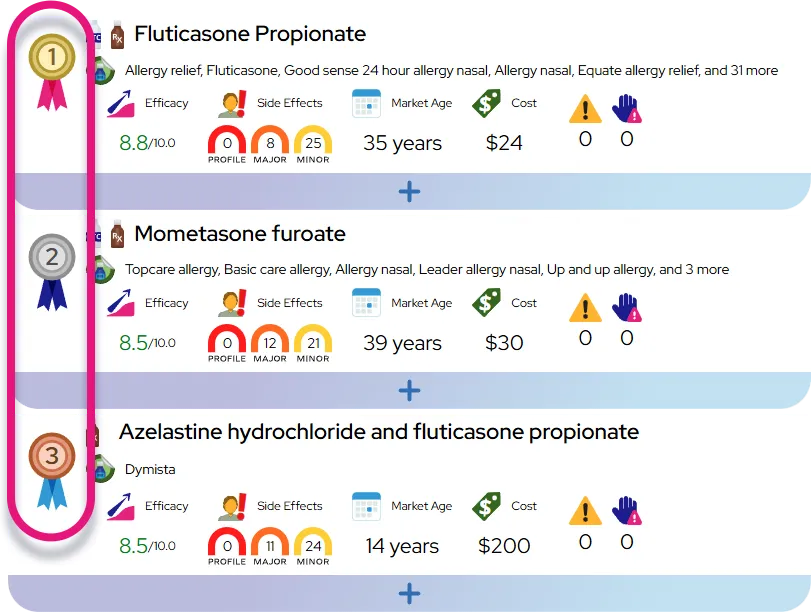
- In clinical trials, Kesimpta significantly reduced annual relapse rates, MRI lesion activity, and risk of disability worsening compared with teriflunomide (an oral MS drug).
- Some patients may see fewer relapses and less new MRI activity within the first few months, though the main benefit is long-term reduction in disease activity and slowing of disability progression.
- Compared with many older MS therapies, Kesimpta showed stronger effects on relapse reduction and MRI outcomes, similar to other high-efficacy B-cell–targeting therapies such as ocrelizumab, but with the convenience of once-monthly at-home injections rather than infusions.
Dosage and Administration
Typical dosing and how to take
- For adults with relapsing forms of MS, the usual dose is 20 mg injected under the skin at week 0, week 1, and week 2 (three starter doses), followed by 20 mg once monthly starting at week 4.
- Injections are given using a prefilled syringe or Sensoready pen into areas such as the abdomen, thigh, or outer upper arm (if someone else gives the injection).
- Kesimpta does not have specific food restrictions and can be administered at any time of day, but taking it on a consistent schedule (for example, the same date each month) is recommended.
Special dosing instructions
- A healthcare professional typically provides initial training on how to prepare and inject the medicine safely at home.
- The solution should be inspected visually: do not use if it is cloudy, discolored, or contains particles, or if the device appears damaged.
- Vaccinations (especially live vaccines) should generally be completed before starting treatment; consult your clinician for timing if vaccines are needed during therapy.
Missed dose guidance
- If a loading or monthly dose is missed, patients are usually advised to inject the missed dose as soon as possible, then schedule the next dose at least one month after that injection; do not inject multiple doses on the same day without medical advice.
- If you are unsure how to adjust your schedule after a missed dose, contact your prescriber or pharmacist for individualized instructions.
Overdose
- If more than the prescribed amount is injected or an extra dose is taken, contact a healthcare provider, local poison control center, or emergency services right away, especially if you notice unusual symptoms such as severe reaction, high fever, or signs of infection.
Safety and Side Effects
Common side effects
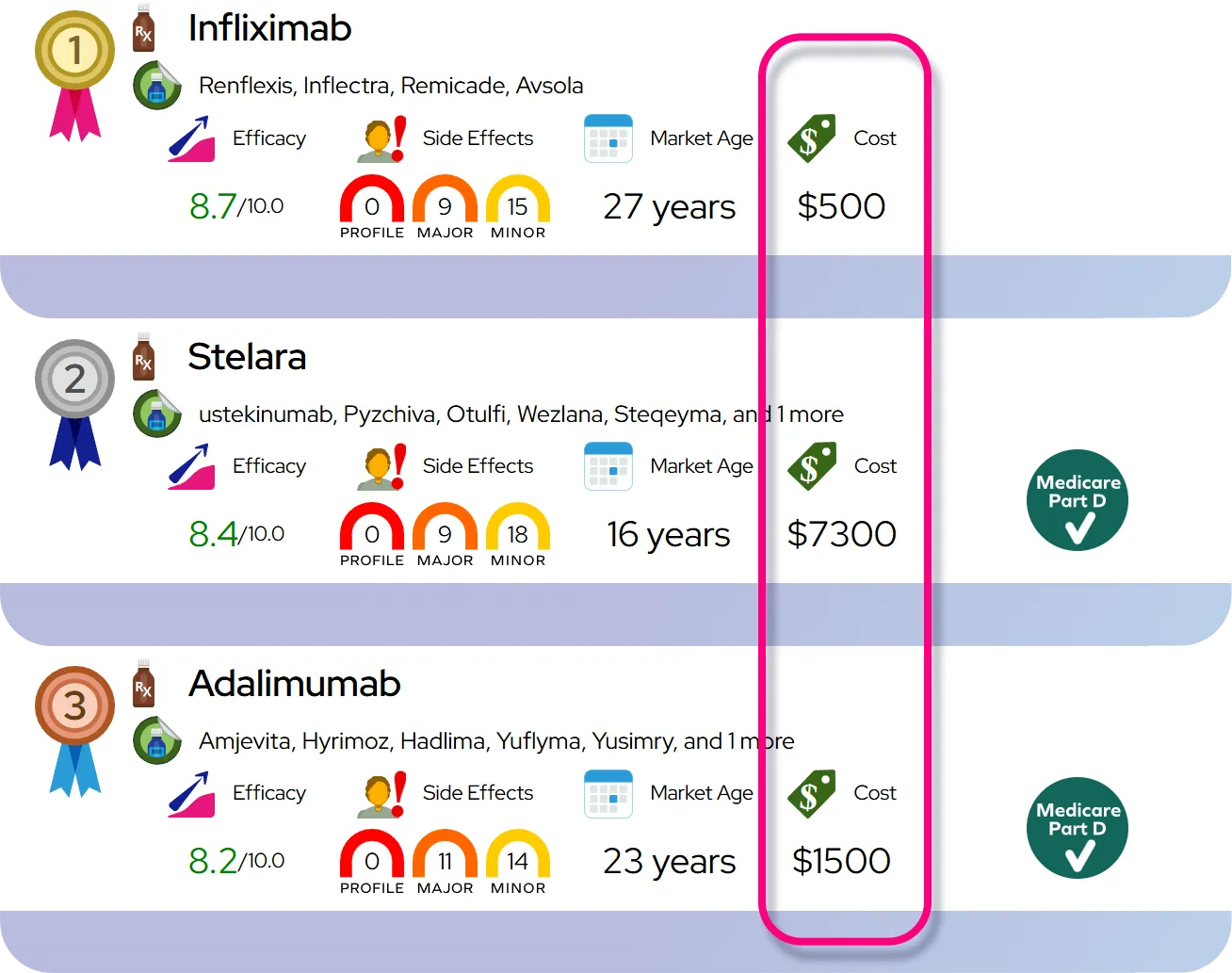
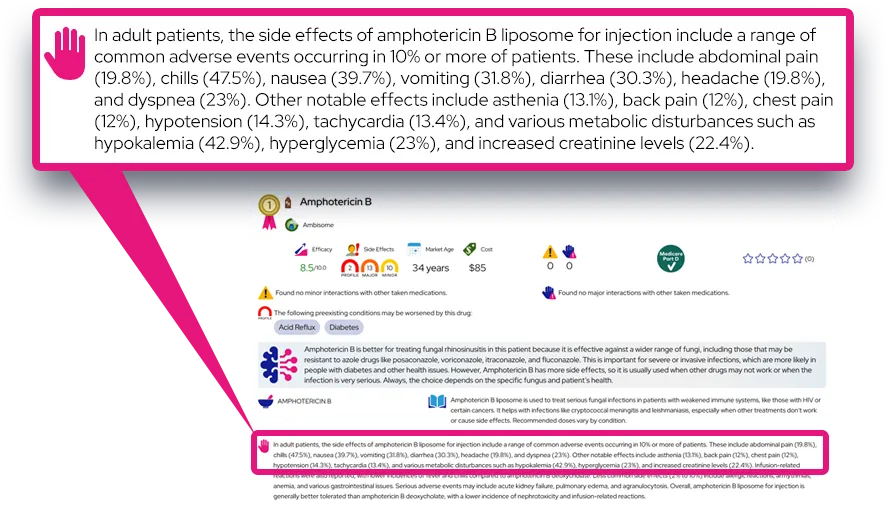
- Common side effects include upper respiratory tract infections (such as sore throat, runny nose), urinary tract infections, headache, and injection-related reactions (such as redness, pain, or swelling at the injection site, or temporary fever and chills).
- These are usually mild to moderate and tend to occur more often early in treatment or around injection days.
Serious or rare adverse effects
- Serious infections can occur because Kesimpta reduces certain B cells; signs include persistent fever, chills, cough, shortness of breath, painful urination, confusion, or other symptoms that worsen or do not go away.
- Progressive multifocal leukoencephalopathy (PML), a rare but serious brain infection, has been reported with some MS and B‑cell–depleting therapies; patients and clinicians should watch for new or worsening neurologic symptoms such as vision changes, weakness, clumsiness, or changes in thinking or personality.
- Other serious risks include low immunoglobulin levels over time, possible reactivation of hepatitis B in carriers, and severe allergic or hypersensitivity reactions.
Warnings and precautions
- Pregnancy: The drug can affect the immune system of a developing baby; use in pregnancy is generally avoided unless the potential benefit clearly outweighs the risk, and effective contraception is usually recommended during treatment and for a period after the last dose.
- Breastfeeding: It is unknown how much medicine passes into breast milk; decisions about breastfeeding should be made with a clinician, weighing the benefits to the infant and the need for MS control.
- Age limits: Kesimpta is approved only for adults; safety and effectiveness in children have not been established.
- Liver or kidney issues: While not primarily cleared by these organs, overall health, infection risk, and other medicines should be reviewed; people with significant medical conditions need closer monitoring.
- Screening: Patients are typically screened for hepatitis B and sometimes other infections before starting; vaccines should ideally be updated prior to therapy, and live vaccines are usually avoided during and for some time after treatment.
Safety compared with other drugs
- Compared with traditional injectable MS therapies, Kesimpta generally offers stronger disease control but with higher-level immune suppression, so infection risk and monitoring are more important.
- Compared with infusion B‑cell therapies, Kesimpta has a similar overall safety profile but avoids infusion reactions and infusion-center visits, though it still requires regular lab and clinical follow-up.
Reporting side effects and safety updates
- Patients should promptly tell their prescriber about any side effects, especially signs of infection or new neurologic symptoms.
- Side effects can be reported directly to the FDA MedWatch program or to the manufacturer’s patient safety line, and up-to-date safety information is available on the FDA’s drug information pages and the product’s prescribing information.
Interactions and Precautions
Drug and supplement interactions
- Using Kesimpta with other medicines that weaken the immune system (such as other biologic MS therapies, chemotherapy, chronic high-dose corticosteroids, or certain immunomodulators) can increase the risk of serious infections and is generally avoided or requires careful timing when switching therapies.
- Routine medicines for blood pressure, cholesterol, or many other common conditions typically do not directly interact, but all prescription and over-the-counter drugs, vitamins, and herbal supplements should be reviewed by the prescriber.
- There are no specific known interactions with particular foods or alcohol, but alcohol should be used in moderation, especially in people with liver disease or other conditions.
Vaccines, tests, and procedures
- Live or live-attenuated vaccines (such as some shingles, measles-mumps-rubella, or yellow fever vaccines) are usually avoided during treatment and for some time after stopping, because the immune response and safety may be affected.
- Inactivated or non-live vaccines may be given, but the immune response can be reduced; timing vaccinations before starting therapy may improve effectiveness.
- There are no specific interactions with common imaging tests such as MRI or CT, but inform radiology staff about all medications as part of your medical history.
Precautions and conditions requiring caution
- A history of chronic or recurrent infections, immunodeficiency, or current serious infection requires careful evaluation before starting Kesimpta.
- People with a history of hepatitis B infection or risk factors need screening; treatment may not be suitable or may require specialist co-management.
- Low immunoglobulin levels, certain blood disorders, cancer history, or other autoimmune diseases may call for individualized risk–benefit assessment.
- Use in older adults may require closer monitoring due to higher baseline infection risk.
Monitoring needs
- Before starting and during treatment, clinicians typically order blood tests, including complete blood count, liver function tests as needed, and immunoglobulin levels, and they screen for hepatitis B.
- Periodic neurologic exams and MRI scans help track MS disease activity and treatment effectiveness.
- Patients should be monitored clinically for signs of infection, new neurologic symptoms, or changes in overall health.
Common Questions and Answers
Q: How long does it take for Kesimpta to start working for multiple sclerosis?
A: Laboratory and MRI changes can appear within a few months, but the main benefit is seen over longer periods as relapses become less frequent and disability progression slows compared with before treatment.
Q: Can I give Kesimpta injections to myself at home?
A: Yes, after proper training from a healthcare professional, most adults can self-inject using the Sensoready pen or prefilled syringe, following the recommended schedule and injection technique.
Q: Do I need regular blood tests while on Kesimpta?
A: Your clinician will typically check blood counts, immunoglobulin levels, and other labs before starting and periodically during treatment to monitor for infections, immune changes, and overall safety.
Q: Can I get vaccines while taking Kesimpta?
A: Many non-live vaccines can still be given, but the response may be weaker, and live vaccines are usually avoided; talk with your clinician about timing vaccines, ideally before starting therapy.
Q: What happens if I miss a monthly dose of Kesimpta?
A: You are generally advised to take the missed injection as soon as you remember and then schedule the next dose at least one month later, but you should confirm the exact plan with your prescriber.
Better Treatment, Lower Cost – No Catch.
Find safer, more effective medications with fewer side effects – often for less money. It’s fast, free, and personalized. Learn More →
Disposal Guidance
Storage
- Store Kesimpta Sensoready pens or prefilled syringes in the refrigerator, typically at 36°F to 46°F (2°C to 8°C), in the original carton to protect from light.
- Do not freeze; if the medicine has been frozen, do not use it even after it thaws.
- Before injecting, you may allow the pen or syringe to come to room temperature for about 15–30 minutes; do not use external heat sources like a microwave or hot water.
Short-term room temperature storage
- Check the current product instructions for how long the pen or syringe may be kept at room temperature; once kept at room temperature, it generally should not be returned to the refrigerator and must be used or discarded within the specified timeframe.
Disposal
- Do not throw used needles, pens, or syringes in household trash or recycling bins.
- Place all used and expired Kesimpta pens or syringes in a puncture-resistant FDA-cleared sharps container, if available, or in a heavy-duty household container with a tight-fitting, puncture-resistant lid and proper labeling.
- Follow local or state rules for sharps disposal; when the container is almost full, use community sharps disposal programs, household hazardous waste collection, or other approved options.