


Guanfacine
At a Glance
 In the United States, oral guanfacine is approved as immediate‑release tablets to treat hypertension in adults and as extended‑release tablets (Intuniv) to treat attention‑deficit/hyperactivity disorder (ADHD) in children and adolescents 6 to 17 years old, either alone or with stimulant medicines.
 Generic/Biosimilar name: Guanfacine.
 Active ingredient: Guanfacine Hydrochloride.

 Administration route: Oral.
 Typical oral dosing starts at 1 mg once daily and is increased by no more than 1 mg per week, usually up to about 1–3 mg per day for adult hypertension or a weight‑based target of about 0.05–0.12 mg/kg/day (roughly 1–4 mg/day in children 6–12 and up to 7 mg/day in adolescents 13–17) for ADHD, depending on response and tolerability.

How It Works
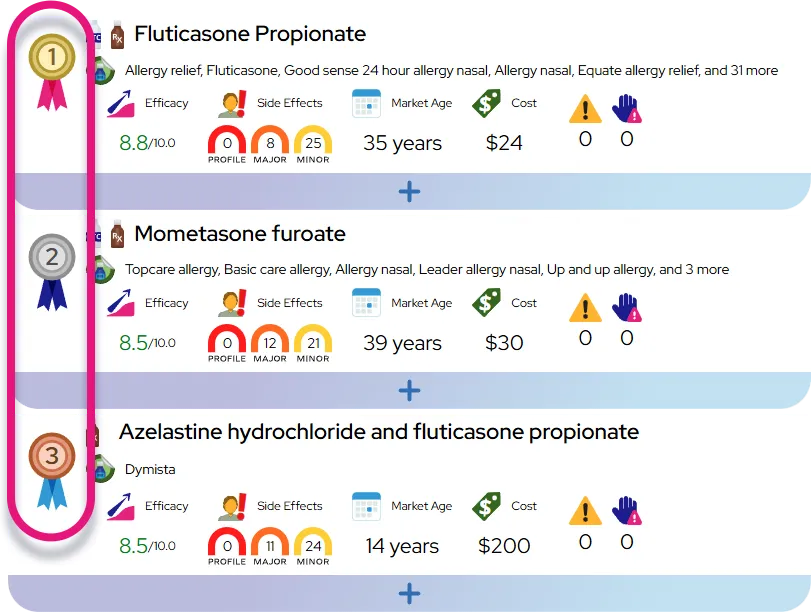
- Guanfacine is a selective alpha‑2A adrenergic receptor agonist that acts mainly in the front part of the brain involved in attention and impulse control.
- By calming overactive nerve signaling, it helps improve focus, reduce impulsivity and hyperactivity, and smooth out emotional reactivity in ADHD without working as a traditional stimulant.
- It also lowers the nerve signals from the brain to the heart and blood vessels, which can reduce blood pressure and slow the heart rate.
Treatment and Efficacy
Approved indications: Oral immediate‑release guanfacine is approved to treat hypertension in adults, and extended‑release guanfacine (Intuniv) is approved to treat attention‑deficit/hyperactivity disorder (ADHD) in children and adolescents 6–17 years old, either as monotherapy or as an add‑on to stimulant medications.
Common off‑label uses (evidence generally from small trials or clinical experience):
- ADHD in adults who do not tolerate or do not respond adequately to stimulants (modest evidence from small studies).
- Tic disorders/Tourette syndrome and ADHD with tics, where guanfacine may reduce both tics and ADHD symptoms.
- Marked irritability, aggression, or oppositional behavior in children with ADHD or autism spectrum disorder.
- Sleep‑onset difficulty and hyperarousal in children and adolescents with ADHD or related conditions.
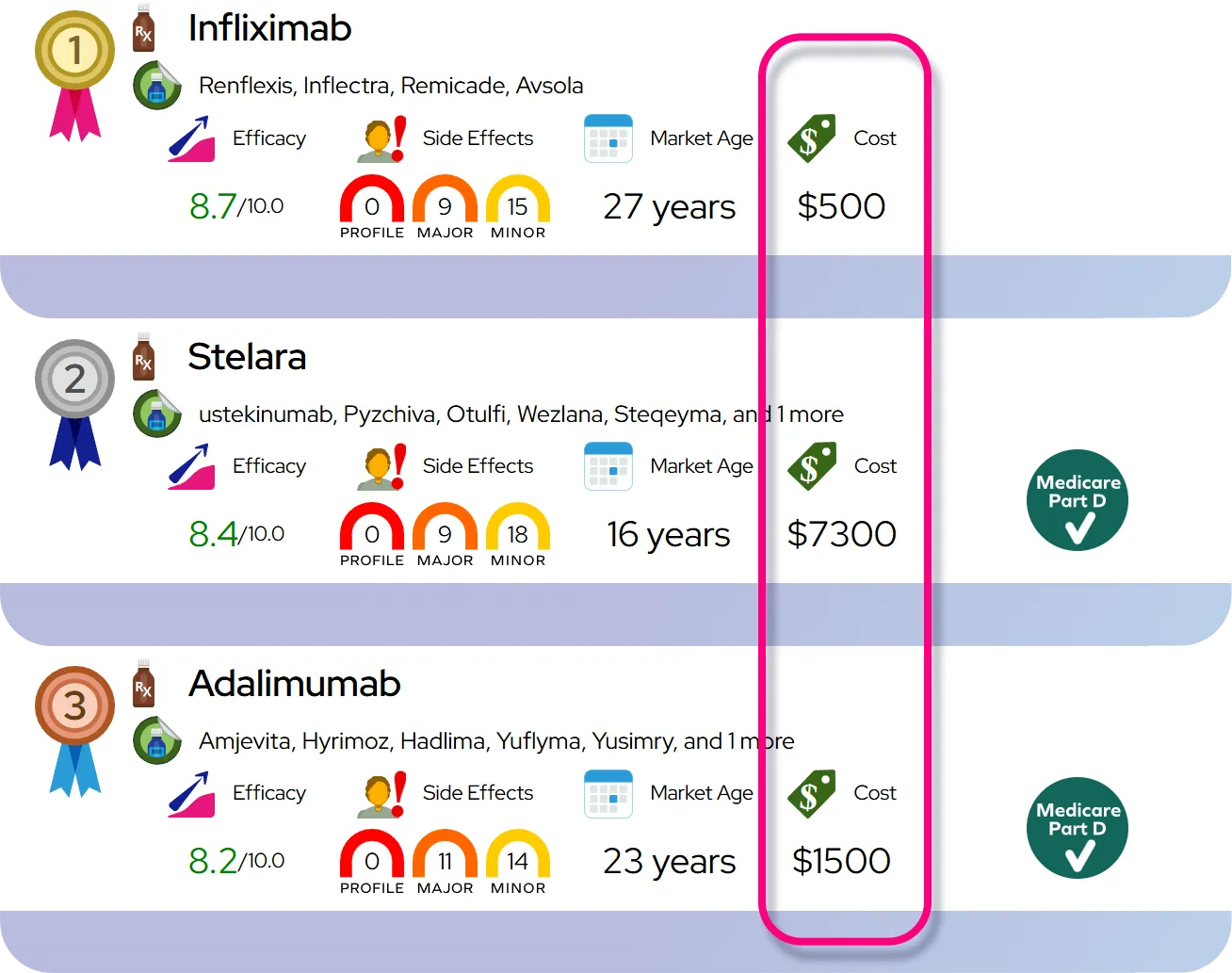
Efficacy expectations for ADHD: Many patients begin to notice benefit (less hyperactivity, impulsivity, emotional outbursts, and easier settling at bedtime) within 1–2 weeks of starting or increasing the dose, with full effect often seen after about 4–6 weeks at a stable, weight‑based dose; on average guanfacine is somewhat less potent than stimulant medications for core ADHD symptoms but can be particularly helpful for hyperactivity/impulsivity, tics, sleep problems, and emotional dysregulation, and as adjunctive therapy it typically provides additional improvement beyond a stimulant alone.
Efficacy expectations for hypertension: In adults with mild to moderate high blood pressure, immediate‑release guanfacine lowers blood pressure over 24 hours and can be effective alone or with a diuretic, but because of its sedating and blood‑pressure‑lowering side effects and the availability of better‑tolerated options, it is usually used as a second‑line or add‑on antihypertensive rather than a first‑choice agent.
Dosage and Administration
Typical dosing for ADHD (extended‑release tablets, Intuniv):
- Given by mouth once daily, in the morning or evening, at about the same time each day.
- Start at 1 mg once daily and increase by no more than 1 mg per week to a weight‑based target of about 0.05–0.12 mg/kg/day (total daily dose usually 1–4 mg in children 6–12 and up to 7 mg in adolescents 13–17).
- Swallow tablets whole with a small amount of water or other liquid; do not crush, chew, or break them.
- Do not take extended‑release guanfacine with a high‑fat meal, because this can significantly increase drug levels and side effects.
- When switching from immediate‑release guanfacine, stop the immediate‑release tablets and titrate extended‑release from 1 mg as a new regimen; do not substitute on a milligram‑for‑milligram basis.
Typical dosing for hypertension (immediate‑release tablets, Tenex and generics):
- Start with 1 mg by mouth once daily at bedtime to reduce daytime drowsiness.
- After 3–4 weeks, the dose may be increased to 2 mg once daily if needed; some patients may require up to 3 mg/day, but side effects rise at higher doses.
- Immediate‑release tablets can be taken with or without food and are often used alone or with a thiazide diuretic; follow the prescriber’s instructions for timing if combined with other blood‑pressure medicines.
Special dosing instructions:
- In people taking strong or moderate CYP3A4 inhibitors (such as certain antifungals, macrolide antibiotics, some HIV medicines, or regular grapefruit juice), the guanfacine dose usually needs to be reduced (often to about half the usual target); with strong or moderate CYP3A4 inducers (such as carbamazepine, phenytoin, rifampin, or St. John’s wort), a higher dose may be required, with careful monitoring.
- Patients with significant kidney or liver impairment and older adults are typically started at the low end of the dose range and titrated more slowly.
- Do not stop guanfacine abruptly; taper the total daily dose in steps of no more than 1 mg every 3–7 days to reduce the risk of rebound high blood pressure and fast heart rate.
Missed dose guidance: If you miss a dose, take the next dose at your regular scheduled time and do not double up; if two or more consecutive doses are missed, contact the prescriber, because you may need to restart at a lower dose and retitrate.
Overdose: Taking too much guanfacine can cause pronounced sleepiness, slow heart rate, low blood pressure (sometimes preceded by a brief rise), small pupils, and breathing problems; in suspected overdose, call Poison Control (in the U.S., 1‑800‑222‑1222) or seek emergency medical care immediately.
Safety and Side Effects
Common side effects (often dose‑related and most prominent in the first weeks):
- Sleepiness, drowsiness, or fatigue, which may affect about one‑third of patients and often improves as the body adjusts or with dose reduction or shifting the dose to evening.
- Dizziness, lightheadedness, or feeling faint, especially when standing up quickly, due to lowered blood pressure and slower heart rate.
- Headache, dry mouth, irritability or mood changes, stomach pain, nausea, constipation, or decreased appetite.
These effects usually start soon after beginning treatment or increasing the dose, and they are often mild to moderate; they may lessen over time if the dose is adjusted slowly.
Serious or rare adverse effects that need immediate medical attention:
- Fainting, chest pain, shortness of breath, or a very slow heart rate.
- Severe or persistent dizziness, confusion, or extreme sleepiness that interferes with waking or normal activities.
- Signs of dangerously high blood pressure after missed doses or sudden stopping (severe headache, vision changes, chest pain, shortness of breath, seizures).
- Allergic reactions such as widespread rash, itching, swelling of the face, lips, tongue, or throat, or trouble breathing.
- New or markedly worsening behavior changes, agitation, or hallucinations, especially in children.
Warnings and precautions:
- Blood pressure and heart rate: Guanfacine can lower blood pressure and slow the heart rate; people with low blood pressure, heart block, slow pulse, cardiovascular or cerebrovascular disease, or who take other blood‑pressure‑lowering medicines should be monitored carefully.
- Sedation and activities: Because it can cause drowsiness and slow reaction time, avoid driving, cycling, or operating machinery until you know how it affects you, and be cautious if also taking other sedating drugs or alcohol.
- Pregnancy and breastfeeding: Human pregnancy data are limited; animal studies do not show major birth defects, so clinicians generally use guanfacine in pregnancy only if the expected benefit outweighs potential risk, and a pregnancy registry exists for ADHD medicines including Intuniv; it is not known if guanfacine passes into human breast milk, so breastfeeding decisions are individualized.
- Age limits: Extended‑release guanfacine for ADHD is approved for ages 6–17, and its safety and effectiveness are not established in children under 6; immediate‑release guanfacine for hypertension has not been adequately studied in children under 12.
- Kidney or liver disease and older age: Because guanfacine is cleared by the liver and kidneys, people with significant impairment or older adults may need lower starting doses, slower titration, and closer monitoring.
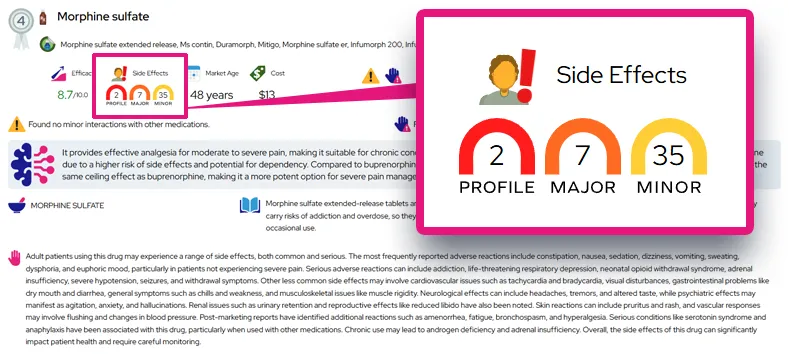
Safety compared with other options: Compared with stimulant ADHD medicines, guanfacine usually causes less appetite loss, weight loss, and insomnia and does not have abuse potential, but it causes more sedation and low blood pressure; compared with clonidine, guanfacine is more selective for alpha‑2A receptors and tends to cause somewhat less sedation and rebound hypertension, though gradual tapering is still essential.
Reporting side effects and staying updated: Side effects should be reported to the prescribing clinician and can also be reported directly to the U.S. Food and Drug Administration (FDA) through the MedWatch program (by phone or online); up‑to‑date safety information, Medication Guides, and Drug Safety Communications are available on the FDA’s website.
Interactions and Precautions
Drug and food interactions:
- CYP3A4 inhibitors and inducers: Strong or moderate CYP3A4 inhibitors (for example, ketoconazole, itraconazole, clarithromycin, some HIV protease inhibitors, and regular grapefruit juice) can significantly increase guanfacine levels, so the guanfacine dose usually needs to be reduced; strong or moderate CYP3A4 inducers (such as carbamazepine, phenytoin, rifampin, and St. John’s wort) can lower guanfacine levels and may require cautious dose increases.
- Other blood‑pressure medicines: Combining guanfacine with antihypertensives (ACE inhibitors, ARBs, beta‑blockers, calcium‑channel blockers, diuretics) can produce additive low blood pressure and slow heart rate, so blood pressure and pulse should be monitored closely.
- CNS depressants and alcohol: Alcohol, benzodiazepines, opioids, sedating antihistamines, antipsychotics, and other sedatives can greatly increase drowsiness, dizziness, and risk of falls when taken with guanfacine; combining with alcohol is best avoided.
- Stimulants for ADHD: Extended‑release guanfacine is often used safely with stimulant medications; clinicians typically monitor blood pressure, heart rate, and overall tolerability when the combination is used.
- Other interactions: Some medicines such as valproic acid can raise guanfacine concentrations, while certain tricyclic antidepressants may blunt its blood‑pressure‑lowering effect; dose adjustments and monitoring may be needed.
- Food: High‑fat meals increase exposure to extended‑release guanfacine and can heighten side effects, so they should be avoided at dosing; grapefruit and grapefruit juice should generally be avoided for the same reason.
Precautions and monitoring:
- Measure blood pressure and heart rate before starting guanfacine, after each dose increase, and periodically during treatment, with more frequent checks in patients on other blood‑pressure‑lowering drugs or those with cardiovascular disease.
- Use particular caution in people with a history of fainting, orthostatic hypotension, heart block or other conduction problems, or significant cardiovascular, cerebrovascular, renal, or hepatic disease.
- In patients with known heart rhythm or conduction abnormalities or those taking multiple medicines that affect heart rhythm, clinicians may consider baseline and follow‑up electrocardiograms (ECGs).
- Avoid abrupt discontinuation; taper slowly while monitoring for rebound high blood pressure, fast heart rate, headache, and agitation.
Common Questions and Answers
Q: Is guanfacine a stimulant medication?
A: No, guanfacine is a non‑stimulant; it works by calming specific brain receptors (alpha‑2A adrenergic receptors) rather than by increasing dopamine and norepinephrine in the same way stimulant ADHD medicines do.
Q: How long does it take for guanfacine to start helping ADHD symptoms?
A: Some people notice improvements in hyperactivity, impulsivity, and emotional outbursts within 1–2 weeks, but it often takes 4–6 weeks at a stable dose to see the full benefit.
Q: Will guanfacine make my child very sleepy?
A: Drowsiness is common, especially when starting or increasing the dose, but it often improves as the body adjusts or if the dose is lowered or moved to the evening; if sleepiness is severe or persistent, the prescriber may change the dose or schedule.
Q: Can guanfacine be taken together with a stimulant for ADHD?
A: Yes, extended‑release guanfacine is specifically approved to be used alone or in combination with stimulant medications, and the combination can help when a stimulant alone does not fully control symptoms or causes side effects like tics or insomnia.
Q: What should I do if a dose of guanfacine is missed?
A: Take the next scheduled dose at the usual time and do not double up; if two or more doses in a row are missed, contact the prescriber because restarting at a lower dose and slowly retitrating may be safer.
Q: Can I stop guanfacine suddenly if I feel better?
A: No, stopping guanfacine abruptly can cause a rebound rise in blood pressure and heart rate and other withdrawal symptoms, so it should be tapered gradually under a clinician’s guidance.
Q: Are there foods or drinks I should avoid while taking guanfacine?
A: Avoid grapefruit and grapefruit juice and do not take extended‑release guanfacine with a high‑fat meal, and limit or avoid alcohol because it can greatly increase drowsiness and blood‑pressure‑lowering effects.
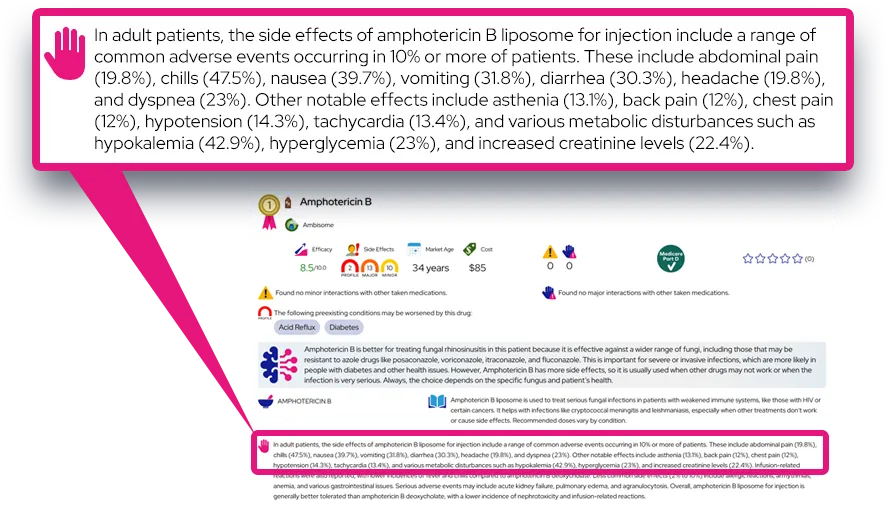
Better Treatment, Lower Cost – No Catch.
Find safer, more effective medications with fewer side effects – often for less money. It’s fast, free, and personalized. Learn More →
Disposal Guidance
Storage: Store guanfacine tablets at room temperature (about 68–77°F or 20–25°C), in a tightly closed container, protected from excess heat, moisture, and light, and keep them out of sight and reach of children and pets; do not use tablets that are chipped, discolored, or past the expiration date.
Disposal: When no longer needed, use a local medicine take‑back program if available; if none is accessible, mix unused tablets with an undesirable substance (such as used coffee grounds or cat litter), place the mixture in a sealed bag or container, and throw it in the household trash, and remove or black out personal information on empty bottles; do not flush guanfacine tablets down the toilet unless specifically instructed to do so.