


Foscarnet sodium
At a Glance
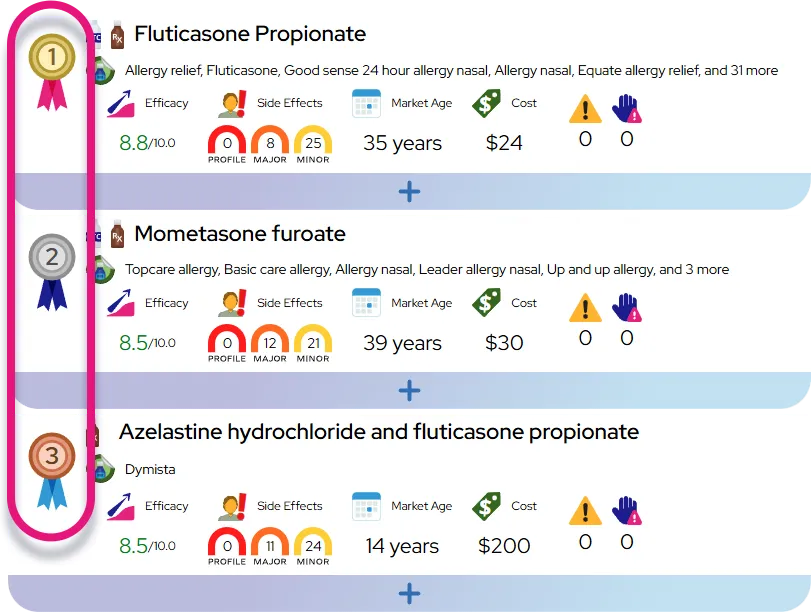
 Foscarnet sodium injection is FDA‑approved in adults for treatment of cytomegalovirus (CMV) retinitis in patients with AIDS and for mucocutaneous acyclovir‑resistant herpes simplex virus (HSV) infections in immunocompromised patients.
 Generic/Biosimilar name: Foscarnet sodium.
 Active ingredient: Foscarnet Sodium.

 Administration route: Intravenous.
 Typical adult IV dosing is 60 mg/kg every 8 hours or 90 mg/kg every 12 hours for 2–3 weeks for CMV retinitis followed by 90–120 mg/kg once daily for maintenance, with 40 mg/kg every 8–12 hours used for acyclovir‑resistant HSV and all doses adjusted for renal function.

How It Works
- Foscarnet sodium is an antiviral medicine that targets herpes‑family viruses such as CMV and HSV by preventing them from making new genetic material.
- It binds to the pyrophosphate site on the viral DNA polymerase enzyme, blocking DNA chain formation so the virus cannot copy itself.
- Because it does not need activation inside infected cells, it can remain active against some viruses that are resistant to acyclovir or ganciclovir.
Treatment and Efficacy
Approved indications: Foscarnet sodium injection is approved to treat cytomegalovirus (CMV) retinitis in patients with AIDS and to treat mucocutaneous acyclovir‑resistant herpes simplex virus (HSV) infections in immunocompromised patients, and is generally reserved for cases where other antivirals are ineffective or not tolerated.
Off‑label uses: Clinicians may use IV foscarnet for acyclovir‑resistant varicella‑zoster virus (VZV, including shingles), ganciclovir‑resistant or multidrug‑resistant CMV disease, and certain severe herpesvirus infections in children or transplant recipients, typically supported by case reports, small series, and expert guidelines rather than large randomized trials.
Efficacy expectations: For CMV retinitis, induction therapy over about 2–3 weeks usually stabilizes or partially improves retinal lesions, but long‑term maintenance infusions are often needed to prevent relapse; for acyclovir‑resistant HSV or VZV, lesions often start to improve within several days and heal over 1–2 weeks when an adequate regimen is maintained.
Comparison with alternatives: Against susceptible CMV, foscarnet provides antiviral control similar to ganciclovir or valganciclovir but is used less frequently because kidney and electrolyte toxicities are more common; it is especially useful when viruses are resistant to nucleoside analogs or when bone‑marrow suppression from other agents is a major concern.
Dosage and Administration
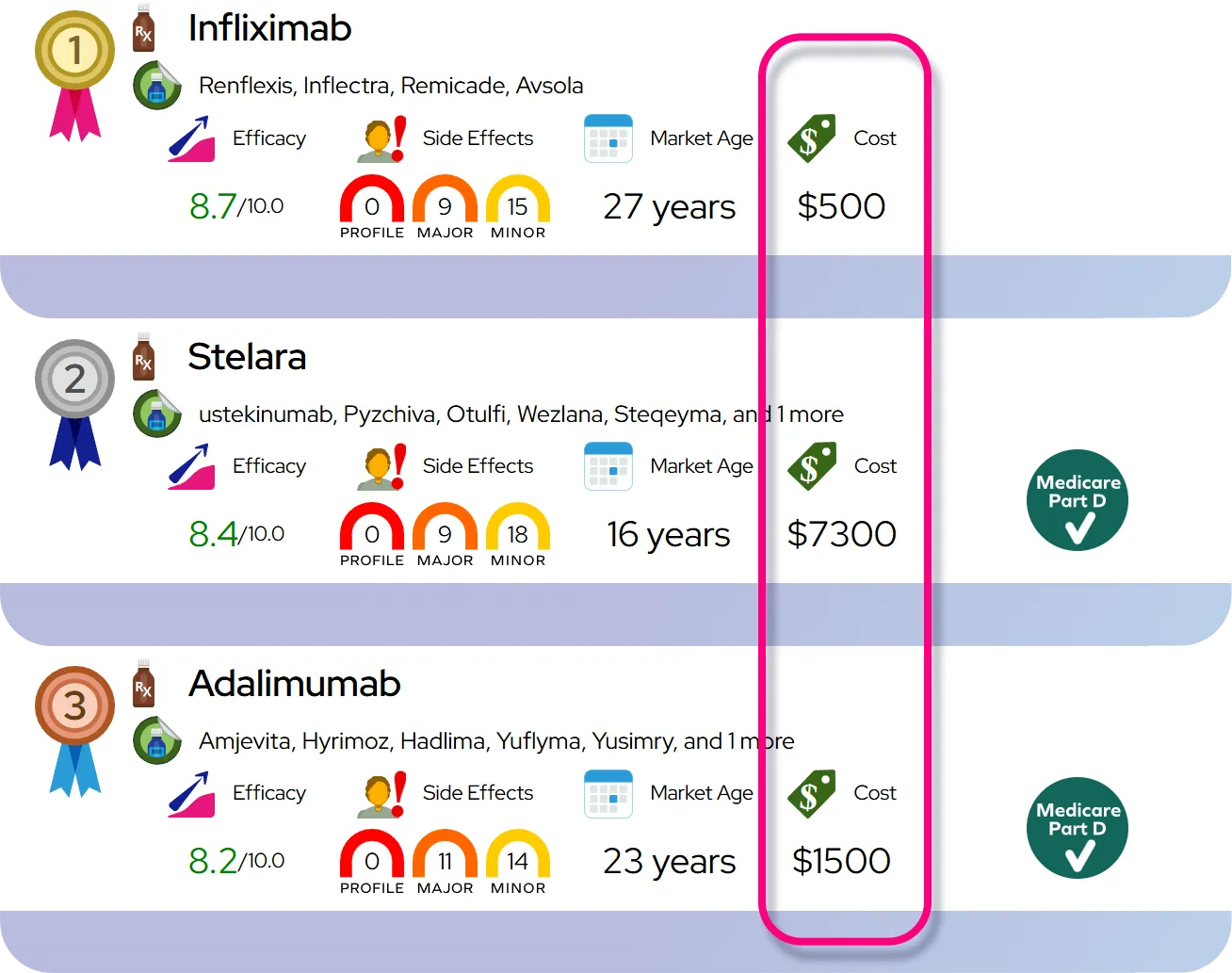
Typical adult dosing: For CMV retinitis, induction therapy commonly uses 60 mg/kg IV every 8 hours or 90 mg/kg IV every 12 hours for 2–3 weeks, followed by maintenance dosing of 90–120 mg/kg IV once daily; for acyclovir‑resistant mucocutaneous HSV, 40 mg/kg IV every 8–12 hours is used until lesions have healed, with all doses individualized according to measured creatinine clearance.
How the medicine is given: Foscarnet sodium is administered only as a controlled intravenous infusion using an infusion pump over at least 1–2 hours, usually in a hospital or infusion center; it can be given via a central venous catheter or, when diluted, through a peripheral vein, and patients receive IV fluids before and during each dose to help protect kidney function.
Special dosing instructions: Doses and intervals must be recalculated whenever kidney function changes, and treatment is generally discontinued if creatinine clearance falls below roughly 0.4 mL/min/kg; rapid or bolus IV injection must never be used because very high peak plasma levels markedly increase toxicity risk.
Missed doses: Because infusions are scheduled and administered by healthcare staff, any missed or delayed dose should be addressed by the treating team, who will determine the timing of the next infusion rather than giving extra or “double” doses.
Overdose: Accidental overdose can lead to severe renal injury, pronounced electrolyte abnormalities, seizures, and dangerous heart‑rhythm disturbances; management requires stopping the infusion immediately, aggressive IV hydration, intensive monitoring with electrolyte correction and supportive care in a hospital, and in selected situations consideration of hemodialysis to enhance drug removal.
Safety and Side Effects
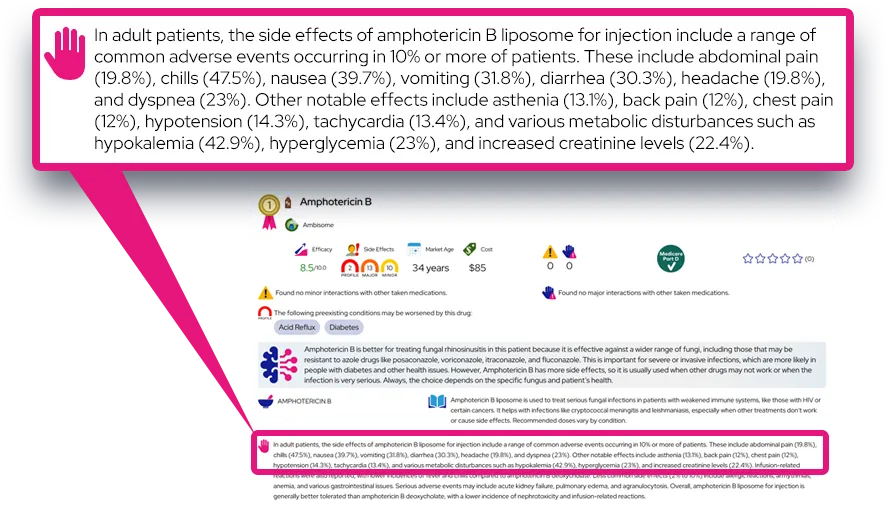
Common side effects: Very frequent adverse effects include kidney function changes (rising creatinine), nausea, vomiting, diarrhea, anemia, headache, fever, and local genital irritation or ulcers from high drug concentrations in urine; these typically emerge during the first 1–3 weeks of therapy and range from mild to severe depending on dose and hydration.
Serious or rare adverse effects: Important serious reactions include acute kidney failure, marked electrolyte disturbances (low calcium, magnesium, potassium, or phosphate), seizures, cardiac rhythm problems including QT‑interval prolongation and torsades de pointes, pancreatitis, severe genital ulcerations, and significant anemia or neutropenia; sudden confusion, muscle twitching, seizures, chest pain, fast or irregular heartbeat, or sharply decreased urine output require immediate medical evaluation.
Warnings and precautions: Because foscarnet is inherently nephrotoxic, it must be used cautiously or avoided in people with pre‑existing kidney disease, dehydration, or concurrent nephrotoxic drugs, and baseline plus frequent monitoring of serum creatinine and creatinine clearance is essential. The drug can substantially alter mineral levels, so serum calcium, magnesium, potassium, and phosphate should be checked regularly, especially in patients with heart disease, seizure disorders, or those receiving diuretics or QT‑prolonging medicines. Safety in pregnancy is uncertain (pregnancy category C), so use is usually restricted to situations where expected benefit clearly outweighs fetal risk; it is unknown if foscarnet is excreted in human milk, and breastfeeding is generally avoided during therapy, particularly for women with HIV. Safety and efficacy are not established in patients under 18 years of age, so pediatric use is reserved for severe infections when alternatives are inadequate, and older adults require extra renal monitoring because of age‑related kidney decline.
Safety compared with other antivirals: Compared with ganciclovir‑based drugs, foscarnet causes less bone‑marrow suppression but more kidney and electrolyte toxicity, so it may be preferred in patients with severe cytopenias yet avoided in those with borderline renal or cardiac reserve.
Side‑effect reporting and safety updates: Suspected adverse reactions should be reported to the treating team and can also be reported to the FDA MedWatch program (online or by calling 1‑800‑FDA‑1088); updated safety information and alerts are available through FDA and manufacturer drug‑information resources.
Interactions and Precautions
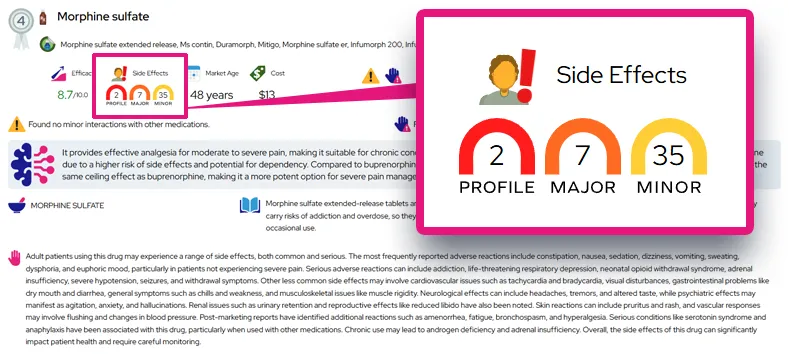
Drug and supplement interactions: Foscarnet should be used very cautiously with other nephrotoxic agents such as aminoglycoside antibiotics, amphotericin B, cidofovir, IV contrast media, high‑dose or multiple NSAIDs, cyclosporine, tacrolimus, and certain chemotherapy drugs because combined use greatly increases the risk of kidney damage. Medicines that lower calcium or magnesium (for example, IV pentamidine or some diuretics) or that themselves promote seizures can heighten the risk of serious electrolyte disturbances and neurologic toxicity. Numerous QT‑prolonging drugs—including class IA and III antiarrhythmics (e.g., quinidine, procainamide, amiodarone, sotalol), certain antipsychotics (such as pimozide or thioridazine), some macrolide and fluoroquinolone antibiotics, and several oncology agents—can add to the risk of torsades de pointes when given with foscarnet, so alternatives or close ECG and electrolyte monitoring are advised. No specific food interactions are known, and alcohol does not directly interact with foscarnet, but heavy alcohol intake can worsen dehydration and kidney stress.
Medical conditions requiring extra caution: Pre‑existing renal impairment, significant dehydration, heart disease (especially prior arrhythmias or prolonged QT interval), seizure disorders, and baseline electrolyte abnormalities all increase the likelihood of complications. Because the solution delivers a substantial sodium load and requires large volumes of IV fluid, patients with heart failure, uncontrolled hypertension, or other conditions prone to fluid overload require careful assessment and monitoring.
Monitoring during therapy: Before starting and throughout treatment, clinicians typically monitor serum creatinine and calculate creatinine clearance, check electrolytes (calcium, magnesium, potassium, phosphate), obtain periodic complete blood counts, and, in high‑risk patients or those receiving other QT‑prolonging drugs, perform electrocardiograms; foscarnet doses and infusion schedules are adjusted based on these results.
Common Questions and Answers
Q: What infections is foscarnet sodium used to treat?
A: It is mainly used for cytomegalovirus (CMV) retinitis in people with AIDS and for mucocutaneous herpes simplex infections that are resistant to acyclovir in immunocompromised patients, and it is sometimes used for other resistant herpesvirus infections when safer options are not effective.
Q: How is foscarnet given and can I receive it at home?
A: Foscarnet is given as a slow intravenous infusion using an infusion pump, most often in a hospital or specialized infusion unit; carefully selected, stable patients may receive home infusions through a central line, but this requires close nursing oversight and frequent blood tests.
Q: How long will I need to stay on foscarnet therapy?
A: Induction treatment for CMV retinitis usually lasts 2–3 weeks, but many patients then continue once‑daily maintenance infusions for months or longer to keep the infection suppressed until immune function improves or another long‑term strategy is used.
Q: Why are my kidneys and blood tests checked so often while I am on this drug?
A: Foscarnet can stress the kidneys and significantly change blood mineral levels, so frequent monitoring of creatinine, electrolytes, and blood counts allows your care team to adjust the dose early and reduce the chance of serious toxicity.
Q: Are there oral alternatives that might be easier or safer than foscarnet?
A: For CMV and HSV, oral antivirals such as valganciclovir, ganciclovir, acyclovir, valacyclovir, or famciclovir are often preferred when the virus is susceptible and blood counts permit their use, but foscarnet is chosen when these agents cannot be used or when the virus has become resistant to them.
Better Treatment, Lower Cost – No Catch.
Find safer, more effective medications with fewer side effects – often for less money. It’s fast, free, and personalized. Learn More →