


At a Glance
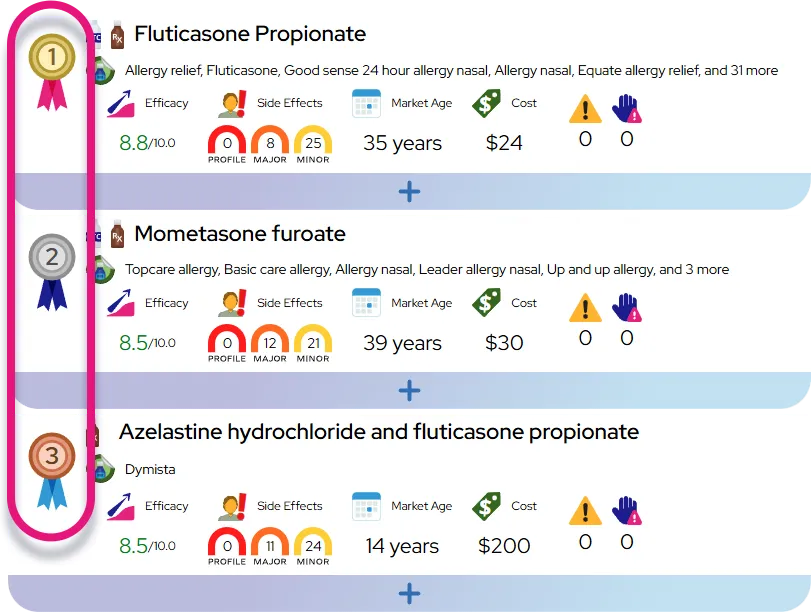
 Oral esomeprazole is FDA-approved to treat GERD with or without erosive esophagitis, maintain healing of erosive esophagitis, reduce NSAID-associated gastric ulcers, eradicate Helicobacter pylori with antibiotics, and manage pathological hypersecretory conditions in adults, and to treat selected GERD/erosive esophagitis indications in children as young as 1 month.
 Generic/Biosimilar name: Esomeprazole.
 Active ingredient: Esomeprazole.


 Administration route: Oral.
 Typical oral esomeprazole dosing is 20–40 mg once daily in adults (with lower, weight-based once-daily doses in infants and children) taken on an empty stomach for 4–8 weeks, with 20 mg once daily often used longer term to maintain control when needed.

How It Works
- Esomeprazole is a proton pump inhibitor that turns off the acid “pumps” in the stomach lining.
- It blocks an enzyme called the proton pump (H+/K+ ATPase) in stomach cells so they release much less acid.
- With less acid, irritated tissue in the esophagus and stomach can heal and heartburn and ulcer symptoms usually improve.
Treatment and Efficacy
Approved indications (oral, U.S.)
- Short-term treatment and healing of erosive esophagitis and treatment of heartburn and other GERD symptoms in adults and children (age ranges vary by formulation, down to 1 month of age for erosive esophagitis with the oral suspension).
- Maintenance of healing of erosive esophagitis in adults.
- Risk reduction of NSAID-associated gastric ulcers in at-risk adults.
- Eradication of Helicobacter pylori in adults (with amoxicillin and clarithromycin) to reduce the risk of duodenal ulcer recurrence.
- Long-term treatment of pathological hypersecretory conditions, including Zollinger–Ellison syndrome, in adults.
Common off-label uses and evidence
- Stress-ulcer prophylaxis in critically ill or high-risk hospitalized patients (moderate-quality evidence, usually a class effect of PPIs rather than esomeprazole specifically).
- Long-term acid suppression in Barrett’s esophagus and severe chronic GERD to control symptoms and reduce progression risk (moderate evidence and guideline-supported PPI class use).
- Treatment of “PPI-responsive” eosinophilic esophagitis or esophageal eosinophilia in some patients (moderate but evolving evidence, patient-specific response).
Efficacy expectations
- For frequent heartburn, symptom relief often begins within the first few days but full effect may take 1–4 days of daily dosing; some chronic conditions need several weeks for maximal benefit.
- In adults with erosive esophagitis, 20–40 mg once daily heals the esophagus in most patients within 4–8 weeks, and 20 mg once daily maintains healing in roughly 80–90% of patients over 6 months.
- When used in standard triple therapy for H. pylori (esomeprazole 40 mg daily plus two antibiotics for 10–14 days), bacterial eradication and ulcer-healing rates commonly approach 80–90% when the regimen is completed.
- Compared with other PPIs, esomeprazole 40 mg shows slightly higher healing and heartburn-relief rates in some trials, but for most people overall symptom control and safety are similar across the PPI class.
Dosage and Administration
Adult oral dosing (typical)
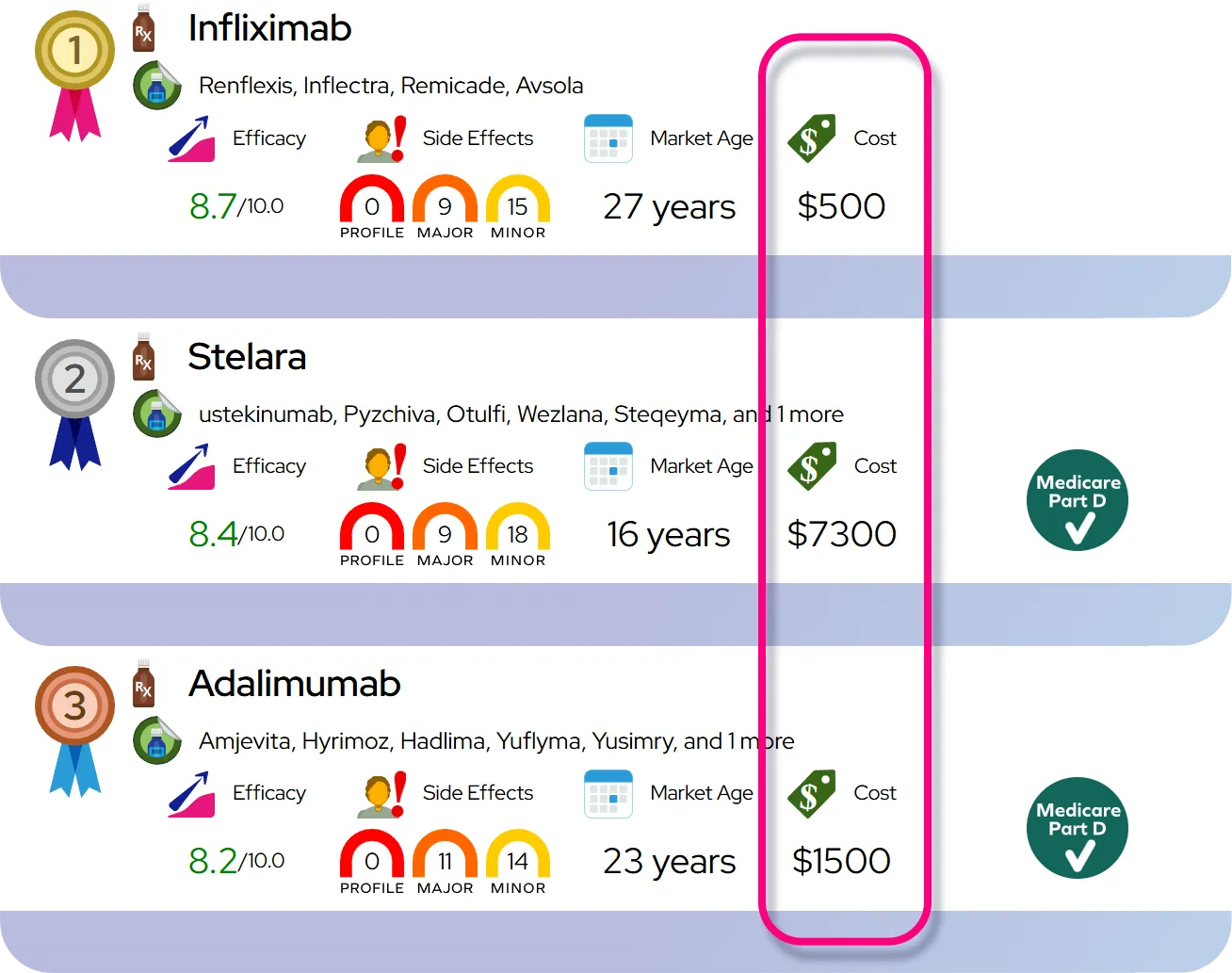
- Symptomatic GERD and heartburn: 20 mg once daily for 4 weeks with prescription products; OTC 24-hour products provide 20 mg once daily for a 14-day course and may take 1–4 days for full effect.
- Healing of erosive esophagitis: 20–40 mg once daily for 4–8 weeks; some patients need an additional 4–8-week course.
- Maintenance of healed erosive esophagitis: 20 mg once daily, with periodic reassessment of need.
- Risk reduction of NSAID-associated gastric ulcers: 20–40 mg once daily in adults, generally for up to 6 months.
- H. pylori eradication: 40 mg once daily together with amoxicillin 1,000 mg and clarithromycin 500 mg, both taken twice daily, for 10 days.
- Pathological hypersecretory conditions (e.g., Zollinger–Ellison syndrome): usually start at 40 mg twice daily and adjust based on acid control and symptoms; some adults require up to 240 mg/day in divided doses under specialist supervision.
Pediatric oral dosing (prescription)
- Infants 1 month to <1 year (erosive esophagitis due to acid-mediated GERD, oral suspension): once-daily weight-based doses (about 2.5–10 mg) for up to 6 weeks as directed by a pediatric specialist.
- Children 1–11 years (oral suspension): typically 10 mg once daily (or 10–20 mg if ≥20 kg) for up to 8 weeks for GERD and erosive esophagitis.
- Adolescents 12–17 years (capsules or suspension): 20–40 mg once daily for 4–8 weeks for erosive esophagitis; 20 mg once daily for up to 4 weeks for symptomatic GERD.
How to take it
- Take esomeprazole by mouth on an empty stomach, usually at least 1 hour before a meal, and try to take it at the same time each day.
- Swallow delayed-release capsules or tablets whole with water; do not crush or chew them.
- If you cannot swallow capsules, they may be opened and the granules sprinkled on a spoonful of soft applesauce and swallowed immediately without chewing, or you may use the oral suspension packets prepared exactly as directed.
Special dosing instructions
- In severe liver impairment, do not exceed 20 mg orally once daily for most indications (lower starting doses may be used in hypersecretory conditions under specialist direction).
- Use the lowest effective dose for the shortest duration necessary, and have chronic therapy reviewed periodically to confirm that ongoing PPI treatment is still needed.
Missed dose and overdose
- If you miss a dose, take it as soon as you remember unless it is almost time for your next dose; if it is close to the next dose, skip the missed dose and resume your regular schedule. Do not take two doses at once.
- If too much esomeprazole is taken or an overdose is suspected, seek emergency care or contact a poison control center immediately (1-800-222-1222 in the U.S.).
Safety and Side Effects
Common side effects
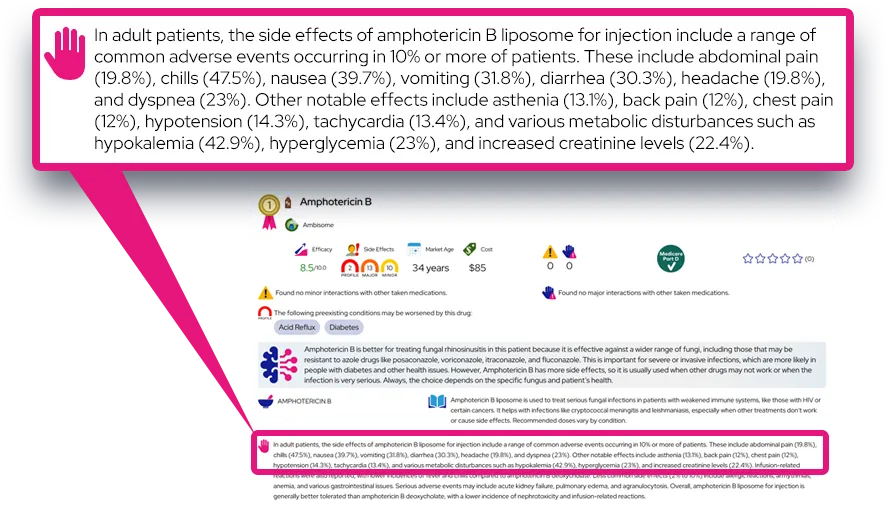
- The most frequent effects are headache, diarrhea, abdominal pain, nausea, gas, constipation, and dry mouth; these are usually mild, often start within the first days to weeks of therapy, and may improve over time or with dose adjustment.
Serious or rare adverse effects (seek medical attention promptly)
- Allergic or severe skin reactions (rash, hives, blistering, peeling skin, swelling of the face or throat, trouble breathing).
- Kidney injury or acute interstitial nephritis (new or worsening fatigue, swelling, dark or decreased urine, blood in urine).
- Severe or persistent diarrhea, abdominal cramping, or fever that could signal Clostridioides difficile infection.
- Low magnesium or vitamin B12 with long-term use (muscle cramps or spasms, abnormal heartbeat, seizures, numbness, or weakness).
- Osteoporosis-related fractures of the hip, wrist, or spine after long-term or high-dose PPI use, especially in older adults or those with other fracture risks.
- Autoimmune reactions such as cutaneous or systemic lupus erythematosus (new photosensitive rash, joint pain, or systemic symptoms) and other rare severe hypersensitivity syndromes.
Warnings and precautions
- Pregnancy: available human data do not show a clear increase in major birth defects; many clinicians consider PPIs relatively safe when clearly indicated, but treatment should use the lowest effective dose for the shortest time.
- Breastfeeding: esomeprazole or its parent compound can appear in breast milk; use only when needed after discussing potential risks and benefits, and monitor the infant for gastrointestinal symptoms.
- Age limits: prescription esomeprazole has pediatric approvals for specific GERD/erosive esophagitis uses from 1 month of age, but OTC 24-hour products are labeled only for adults 18 years and older.
- Liver disease: in severe hepatic impairment the maximum recommended oral dose for most indications is 20 mg once daily; no routine dose change is required in kidney impairment.
Overall safety compared with other PPIs
- Esomeprazole shares the class safety profile of PPIs; large studies suggest that, at comparable doses, its rates of common and serious adverse events are broadly similar to other drugs in this group.
Reporting side effects and safety information
- Report possible side effects to your prescriber and to the FDA MedWatch program (online or at 1-800-FDA-1088), or to the manufacturer using the toll-free number in the Medication Guide or package.
- Check the current Medication Guide and FDA drug safety communications for up-to-date information on risks, especially if you are taking esomeprazole long term.
Interactions and Precautions
Major drug interactions
- Clopidogrel: esomeprazole inhibits CYP2C19 and can reduce conversion of clopidogrel to its active form, potentially weakening its antiplatelet effect; many clinicians avoid this combination or choose an alternative PPI or antiplatelet when possible.
- HIV and other acid-dependent drugs (e.g., atazanavir, nelfinavir, rilpivirine, some azole antifungals, erlotinib, certain iron salts): strong acid suppression can markedly decrease their absorption; co-use is generally not recommended unless closely supervised by a specialist.
- Warfarin and other CYP2C19/CYP2C9 substrates (such as diazepam, cilostazol, phenytoin): esomeprazole may increase blood levels and effects, so closer monitoring (for example INR for warfarin) may be needed when starting or stopping the PPI.
- High-dose methotrexate, digoxin, and tacrolimus: esomeprazole can increase serum concentrations and toxicity risk; consider using an alternative acid-reducing regimen or add extra monitoring of drug levels and clinical status.
- Diuretics and other drugs that lower magnesium (e.g., loop or thiazide diuretics): combination therapy may increase the risk of significant hypomagnesemia; periodic magnesium testing is advisable with long-term PPI use.
- Herbal products such as St. John’s wort or ginkgo may lower esomeprazole exposure and reduce its effectiveness.
Food, alcohol, and diagnostic interactions
- Food can delay and slightly lower peak absorption; taking esomeprazole at least 1 hour before eating optimizes acid suppression.
- Alcohol does not directly interact with esomeprazole but can worsen reflux and reduce symptom control, so limiting alcohol is often recommended.
- PPIs increase gastrin and chromogranin A levels and can interfere with tests for neuroendocrine tumors or certain H. pylori assays; clinicians commonly stop PPIs for about 1–2 weeks before such testing when feasible.
Conditions and co-medications requiring extra caution
- Osteoporosis, prior fractures, or other strong bone-loss risk factors: long-term/high-dose PPI therapy may further increase fracture risk; bone health strategies and using the lowest effective dose are important.
- History of low magnesium or vitamin B12, or chronic kidney disease: these conditions may be worsened by prolonged PPI use, so periodic lab monitoring and reassessment of therapy are recommended.
- Severe liver disease: strict adherence to reduced maximum doses and close clinical follow-up are needed.
- Patients taking multiple interacting drugs (particularly older adults) should have their full medication list reviewed before starting chronic esomeprazole.
Monitoring needs
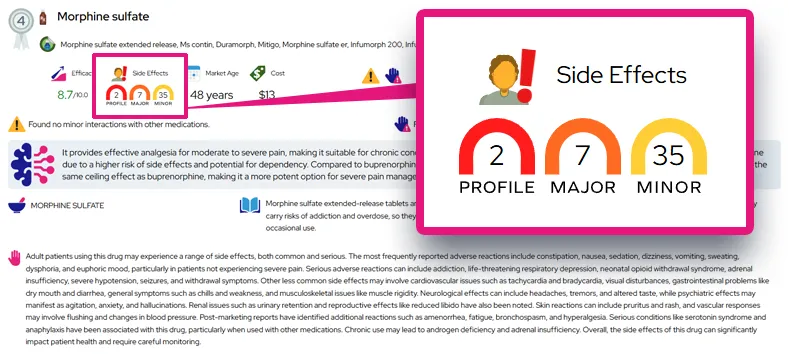
- For people on long-term or high-dose esomeprazole, clinicians may periodically check serum magnesium and vitamin B12, consider bone density assessment in high-risk patients, and monitor kidney and liver function and any interacting drug levels as appropriate.
Common Questions and Answers
Q: How long should I stay on esomeprazole?
A: For most GERD and heartburn indications, prescription courses last 4–8 weeks and OTC courses 14 days, with longer or repeated therapy considered only when clearly needed and reviewed regularly with a clinician.
Q: Is it safe to take esomeprazole every day for months or years?
A: Many people use PPIs long term without obvious problems, but extended daily use is linked to higher risks of fractures, low magnesium or vitamin B12, kidney issues, and some infections, so the dose and duration should be kept as low and short as possible and checked periodically.
Q: Can I stop esomeprazole suddenly?
A: Some people develop “rebound” extra acid and worse heartburn for a short time after stopping suddenly, so clinicians may suggest tapering the dose, spacing doses out, or switching temporarily to an H2 blocker or antacids while coming off the medication.
Q: Can I take antacids or H2 blockers with esomeprazole?
A: Short-acting antacids for occasional breakthrough symptoms are usually acceptable, but combining esomeprazole with another PPI or with H2 blockers at the same time of day should be done only under medical advice to avoid overtreatment and masking serious problems.
Q: What should I do if I still have heartburn while taking esomeprazole?
A: If symptoms persist after the full recommended course, recur quickly, or are accompanied by alarm signs such as trouble swallowing, weight loss, vomiting blood, or black stools, you should seek medical evaluation rather than just increasing the dose or continuing indefinitely.
Q: Does esomeprazole interact with my other medicines?
A: Esomeprazole can change how several drugs work, including clopidogrel, certain HIV medicines, some antifungals, anticoagulants, and high-dose methotrexate, so you should have all prescription, OTC, and herbal products reviewed before starting or stopping it.
Better Treatment, Lower Cost – No Catch.
Find safer, more effective medications with fewer side effects – often for less money. It’s fast, free, and personalized. Learn More →
Disposal Guidance
Storage
- Store capsules or packets at room temperature (about 68–77°F / 20–25°C) in a cool, dry place, away from heat, moisture, and direct light.
- Keep the medicine in the original tightly closed bottle, blister pack, or sachet until use, and keep it out of the reach of children.
Disposal
- Do not use esomeprazole after the expiration date or if capsules or granules look damaged or discolored; ask a pharmacist how to discard any unused or expired medicine.
- If no take-back program is available, mix unused medicine with something unappealing (such as coffee grounds or cat litter), seal in a container or bag, and throw it in household trash; do not flush unless the label specifically instructs you to do so.