


At a Glance
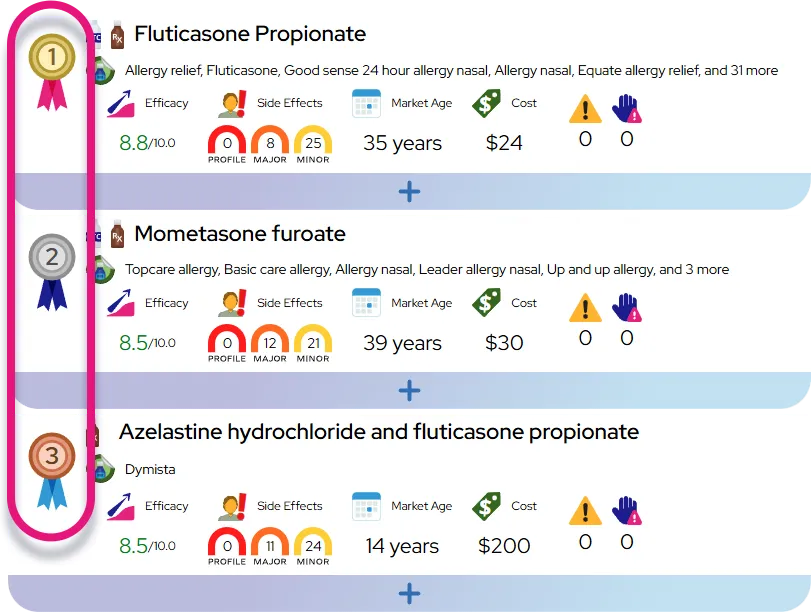
 Topical adapalene and benzoyl peroxide is FDA-approved for once-daily treatment of acne vulgaris in patients 9 years and older (12 years and older for the higher-strength gel).
 Generic/Biosimilar name: Adapalene and benzoyl peroxide.
 Active ingredients: Adapalene, Benzoyl Peroxide.

 Administration route: Topical.
 Typically, a thin film is applied once daily to clean, dry affected skin using about a pea-sized amount for each facial area, avoiding the eyes, lips, and mucous membranes.

How It Works
- Adapalene is a vitamin A–like medicine that speeds up skin cell turnover and helps keep pores from clogging.
- Benzoyl peroxide kills acne-causing bacteria on the skin and helps dry excess oil and debris.
- Together they reduce inflammation, clear existing pimples, and help prevent new breakouts from forming.
Treatment and Efficacy
Approved indications: Adapalene and benzoyl peroxide gel is approved for topical treatment of acne vulgaris, including comedones (whiteheads and blackheads) and inflammatory lesions (papules and pustules), in patients 9 years and older for the standard-strength gel and 12 years and older for the higher-strength formulation.
Off-label uses: Dermatologists may occasionally use this combination off-label for acne in age groups or body areas outside the formal labeling or as a maintenance therapy after more intensive regimens, but evidence is strongest for mild-to-moderate facial and truncal acne.
Efficacy expectations and timeline: Some improvement in redness and new-breakout frequency often appears within 2–4 weeks, with clearer skin and reduced lesion counts typically seen after about 8–12 weeks of consistent daily use, and continued use helps maintain results.
Comparison with similar treatments: Fixed-dose adapalene/benzoyl peroxide generally clears acne faster and more effectively than using adapalene or benzoyl peroxide alone, offers antibiotic-free treatment compared with clindamycin/benzoyl peroxide combinations, and is considered a strong first-line option for many patients with mild-to-moderate acne.
Dosage and Administration
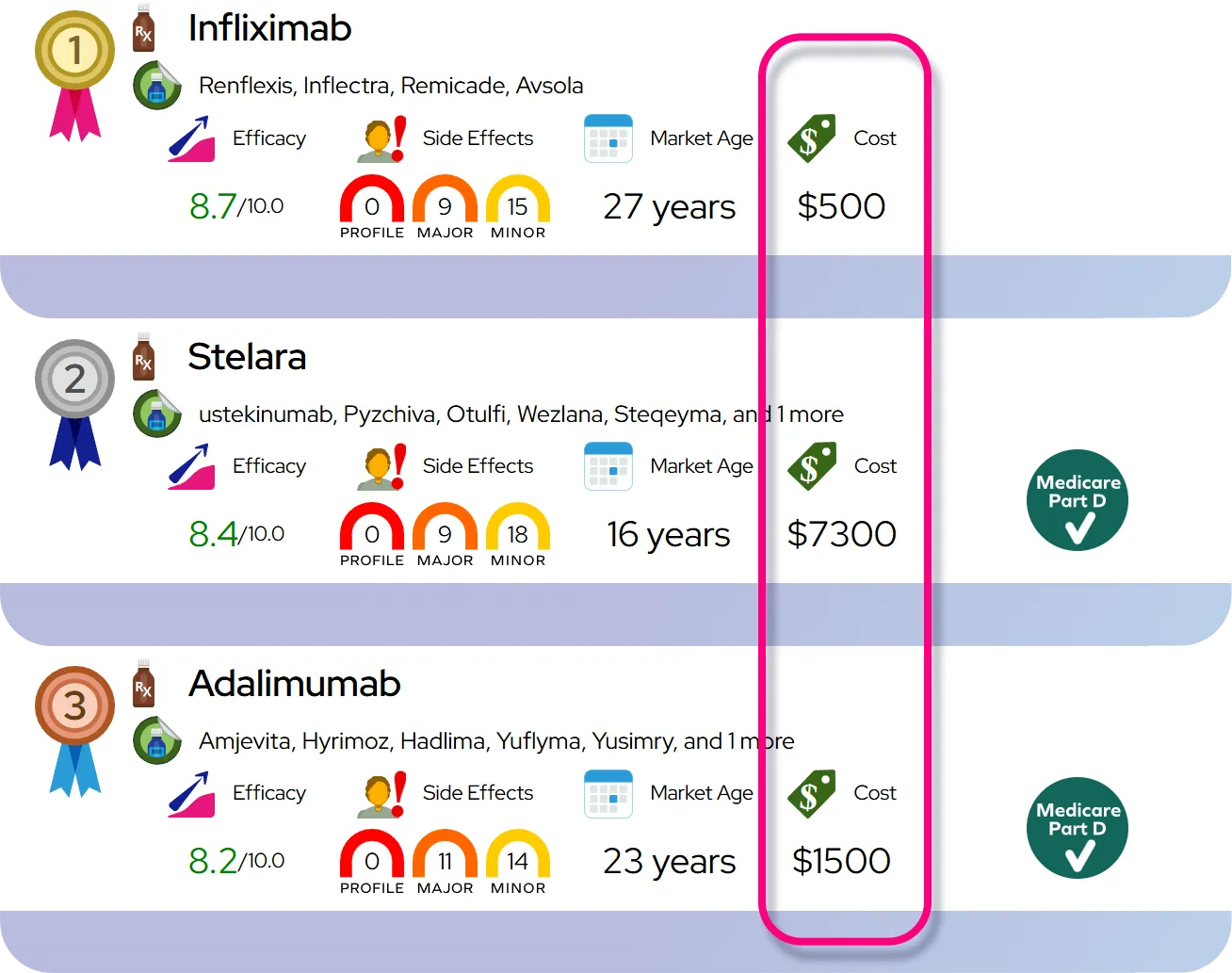
Typical dosing: For both strengths, a thin layer is applied once daily to the entire affected area (face and, if prescribed, trunk) after gently washing and patting the skin dry, using about a pea-sized amount for each facial region (forehead, each cheek, chin) and taking care to avoid the eyes, lips, corners of the nose, and mucous membranes.
How and when to apply: Application is usually in the evening, followed by a non-irritating moisturizer if needed; hands should be washed after use, and contact with hair, eyebrows, and colored fabrics should be minimized because benzoyl peroxide can bleach them.
Special dosing instructions: Using more than prescribed or applying more than once daily will not clear acne faster and increases the risk of redness and peeling; people with very sensitive skin are often started with applications every other night and then increased to nightly as tolerated, while avoiding other strong topical acne products on the same areas unless directed by a clinician.
Missed doses: If a dose is missed, apply it when remembered on the same day; if it is almost time for the next application, skip the missed dose and resume the regular schedule without doubling up.
Overdose and excessive use: Applying too much or too often can cause marked redness, burning, swelling, and peeling of the skin; treatment should be stopped and medical advice sought if severe irritation occurs, and if the product is accidentally swallowed, poison control or emergency medical services should be contacted.
Safety and Side Effects
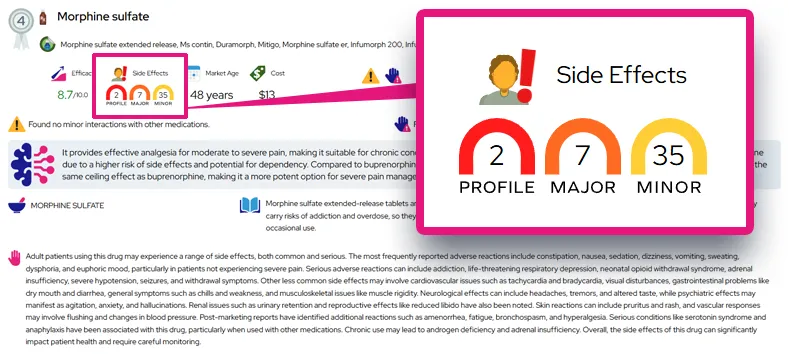
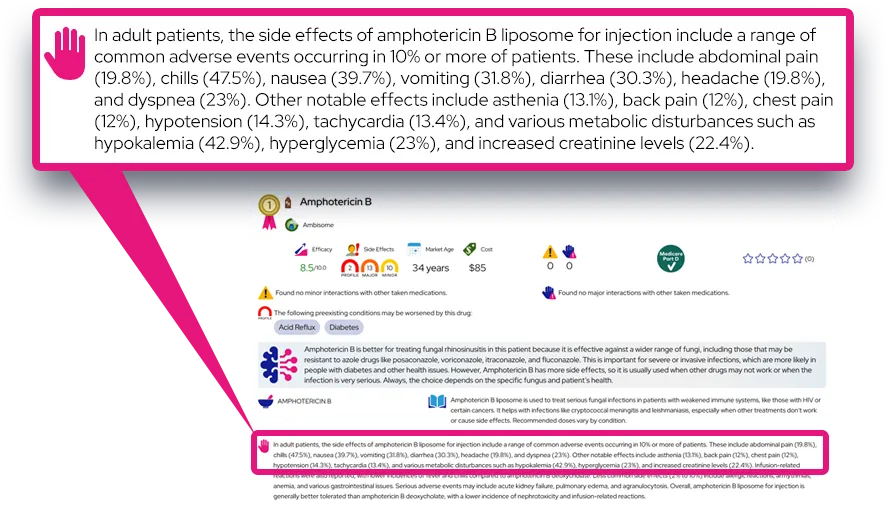
Common side effects: The most frequent effects are local skin reactions such as redness, dryness, peeling, scaling, itching, burning, or stinging at the application site, especially during the first 2–4 weeks; these are usually mild to moderate and tend to lessen as the skin adapts, particularly when gentle cleansers and moisturizers are used.
Serious or rare adverse effects: Rarely, benzoyl peroxide–containing products can cause severe allergic reactions (with hives, swelling of the face, lips, tongue, or throat, trouble breathing, or dizziness) or severe local irritation with blistering, crusting, or intense swelling; use should be stopped immediately and urgent medical attention sought if these occur.
Warnings and precautions: Avoid applying to cuts, eczema, sunburned, or otherwise damaged skin, and minimize exposure to sunlight, tanning beds, and sunlamps because this medicine can increase sun sensitivity; broad-spectrum sunscreen and protective clothing are recommended when outdoors.
Pregnancy and breastfeeding: Human data are limited, so adapalene/benzoyl peroxide is generally used in pregnancy only if the expected benefit clearly outweighs potential risk, and breastfeeding patients are usually advised not to apply it directly to the breast or areas that may contact the infant.
Age and medical conditions: The standard-strength gel is approved from age 9 years and the higher-strength gel from age 12 years; because systemic absorption is very low, no specific kidney or liver dose adjustments are recommended, but people with very sensitive skin or chronic inflammatory skin diseases may need slower introduction or alternative treatments.
Relative safety profile: Compared with oral acne medicines and topical antibiotics, adapalene/benzoyl peroxide has mainly local skin side effects, does not carry risks like antibiotic resistance or systemic organ toxicity, but is often more drying and irritating than some non-retinoid topical agents.
Reporting and safety updates: Suspected side effects can be reported to the FDA MedWatch program (online or by phone at 1-800-FDA-1088), which also provides up-to-date safety communications on prescription medications.
Interactions and Precautions
Topical medication and cosmetic interactions: Using adapalene and benzoyl peroxide with other potentially irritating products—such as topical retinoids, peeling agents (alpha- or beta-hydroxy acids, high-strength salicylic acid), sulfur or resorcinol preparations, abrasive scrubs, aftershaves, or alcohol-based astringents—can significantly increase dryness and irritation and is usually avoided or introduced cautiously.
Other skin treatments and procedures: Waxing or other aggressive hair-removal methods on treated areas can damage the skin and should generally be avoided; caution is also advised when combining with topical dapsone gels, as benzoyl peroxide can cause temporary orange or yellow discoloration of the skin or hair where both are used.
Systemic drugs, foods, and alcohol: Because systemic absorption of adapalene and benzoyl peroxide is very low, clinically important interactions with oral medicines or foods are not expected, but drugs that increase photosensitivity (such as some antibiotics and diuretics) may heighten the risk of sunburn, so extra sun protection is important.
Medical conditions and co-medications: Use with caution in people with very sensitive skin, a history of eczema or chronic dermatitis on the treatment area, or prior severe reactions to benzoyl peroxide or retinoids; if significant redness, swelling, or blistering develops, treatment should be stopped and the area evaluated.
Monitoring needs: Routine blood tests or heart monitoring are not required; clinical follow-up usually focuses on checking acne response, tolerability, and skin irritation so that the regimen can be adjusted if necessary.
Common Questions and Answers
Q: How long does it take for adapalene and benzoyl peroxide to start working?
A: Many people notice fewer new pimples and less redness within 2–4 weeks, with best results usually appearing after about 8–12 weeks of regular nightly use.
Q: Should I put it only on individual pimples or on my whole face?
A: It is meant to be applied as a thin layer over the entire acne-prone area (not just on spots) so it can treat existing lesions and help prevent new ones from forming.
Q: Can I use makeup or other skincare products with this medicine?
A: Noncomedogenic, fragrance-free moisturizers and makeup are generally fine, but harsh scrubs, alcohol-based toners, and other strong acne products on the same areas can increase irritation and are usually avoided unless your clinician specifically advises them.
Q: Is it normal for my skin to get red and peel at first?
A: Mild redness, dryness, and peeling are very common in the first few weeks and often improve over time, especially if you use a gentle cleanser, apply only a pea-sized amount per area, and moisturize regularly.
Q: Do I still need sunscreen while using adapalene and benzoyl peroxide?
A: Yes, this medicine can make your skin more sensitive to the sun, so daily use of a broad-spectrum sunscreen and other sun protection is strongly recommended whenever you are outdoors.
Better Treatment, Lower Cost – No Catch.
Find safer, more effective medications with fewer side effects – often for less money. It’s fast, free, and personalized. Learn More →
Disposal Guidance
Storage: Store the gel at room temperature around 68–77°F (20–25°C), with short excursions between 59–86°F (15–30°C); keep the container tightly closed, protect from light and heat, and keep out of reach of children.
Disposal: Do not flush unused gel down the toilet or pour it into sinks; instead, discard it in the household trash in its closed container or use a community medicine take-back program if available.