


At a Glance
 Olopatadine hydrochloride nasal spray is approved to relieve symptoms of seasonal allergic rhinitis (hay fever) in adults and children 6 years of age and older.
 Generic/Biosimilar name: Olopatadine hydrochloride.
 Active ingredient: Olopatadine Hydrochloride.

 Administration route: Nasal.
 Typical dosing is two sprays in each nostril twice daily for adults and adolescents 12 years and older, and one spray in each nostril twice daily for children 6 to 11 years old.

How It Works
- Olopatadine is an antihistamine that blocks H1 histamine receptors in the lining of the nose, reducing the body’s allergic response.
- By blocking histamine, it lessens sneezing, runny nose, nasal itching, and related eye symptoms caused by seasonal allergies.
- Because it acts mainly where it is sprayed in the nose, it generally causes fewer whole-body side effects than many oral antihistamines.
Treatment and Efficacy
Approved indications:
- Olopatadine hydrochloride nasal spray is FDA-approved to relieve nasal symptoms of seasonal allergic rhinitis (such as sneezing, runny or itchy nose, and nasal congestion) in adults and children 6 years and older.
Off-label uses:
- The nasal formulation is not widely used for well-established off-label indications; clinicians may include it as part of broader allergy management based on individual patient needs but strong evidence supports mainly its approved use in seasonal allergic rhinitis.
Efficacy expectations:
- Symptom relief can begin within about 30 minutes of a dose, with continued improvement over the first several days of regular twice-daily use.
- Most patients experience meaningful reductions in sneezing, runny nose, and itching; some also notice improvement in allergy-related eye symptoms.
- Compared with intranasal corticosteroid sprays, olopatadine often has a faster onset but may provide slightly less overall symptom control; compared with other intranasal antihistamines, its effectiveness is generally similar when used as directed.

Dosage and Administration
Typical dosing and how to use:
- Adults and adolescents 12 years and older: two sprays in each nostril twice daily, usually about 12 hours apart.
- Children 6 to 11 years: one spray in each nostril twice daily; an adult should help younger children use the spray correctly.
- For nasal use only: gently blow the nose first, shake the bottle, prime the pump as directed before first use, insert the tip into a nostril while keeping the head slightly tilted forward, and sniff gently while spraying; avoid spraying into eyes or mouth.
Special instructions:
- Prime the spray before the first use (by releasing several sprays into the air) and reprime with a couple of sprays if it has not been used for more than about 7 days.
- Use consistently at the same times each day during allergy season for best symptom control.
Missed dose and overdose:
- If you miss a dose, use it as soon as you remember unless it is almost time for the next dose; do not double doses to catch up.
- If too much is used or the spray is swallowed in large amounts, contact a healthcare professional or poison control center, especially if unusual symptoms such as marked drowsiness, confusion, or severe nasal irritation occur.
Safety and Side Effects
Common side effects:
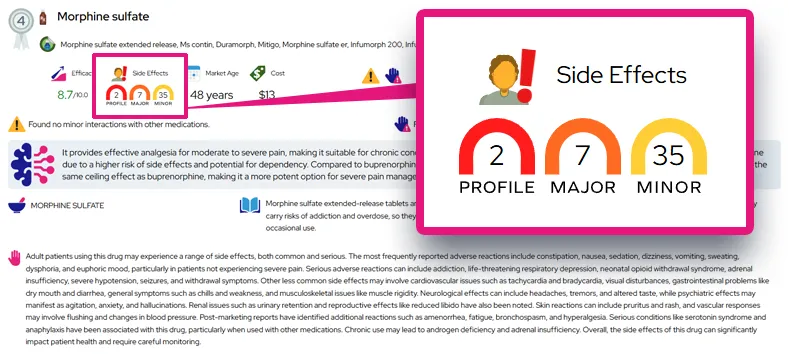
- Most common effects are mild and may include a bitter or unpleasant taste, headache, nosebleeds, throat irritation, post-nasal drip, cough, and upper respiratory infections.
- These usually appear early in treatment and often lessen with continued use; they rarely require stopping the medication.
- Mild drowsiness can occur in some people, especially if combined with alcohol or other sedating medicines.
Serious or rare adverse effects:
- Less commonly, significant nosebleeds, nasal ulcerations, or, very rarely, nasal septal perforation can occur; persistent pain, sores, or bleeding in the nose require prompt medical evaluation.
- Severe allergic reactions to the spray, such as rash, swelling, or trouble breathing, are rare but need immediate medical attention.
Warnings and precautions:
- Use with caution if you have ongoing nasal problems (frequent nosebleeds, recent nasal surgery, chronic nasal ulcers) and inform your prescriber before starting.
- Avoid drinking alcohol or taking other central nervous system depressants (such as sedative antihistamines, sleep aids, opioids, or benzodiazepines) when possible, as these can increase drowsiness.
- In pregnancy and breastfeeding, safety data are limited; use only if the expected benefit justifies potential risk, under guidance from a healthcare professional.
- Safety and effectiveness are not established in children under 6 years of age.
- No specific dose adjustments are usually required for kidney or liver disease because systemic absorption is low, but clinicians may use extra caution in severe impairment.
Overall safety profile and reporting:
- Compared with many oral antihistamines, the nasal spray provides mainly local effects in the nose, which tends to limit whole-body side effects, though local nasal reactions are more common.
- Side effects should be discussed with a healthcare professional, who can report them to the FDA’s MedWatch program or the product manufacturer and advise on any new safety communications.
Interactions and Precautions
Drug and substance interactions:
- Systemic absorption of olopatadine from the nose is low, so interactions with most prescription and over-the-counter drugs, foods, and supplements are unlikely.
- Alcohol, sedative antihistamines, sleep medicines, opioids, benzodiazepines, and other central nervous system depressants can increase drowsiness and should be combined cautiously.
- No important food interactions are known, and the medicine does not need to be timed with meals.
Precautions and conditions requiring care:
- Tell your clinician if you have frequent nosebleeds, chronic nasal sores, recent nasal surgery, or other significant nasal disease, as these may increase the risk of local complications.
- Use with caution if you perform tasks requiring full alertness (such as driving or operating machinery) until you know how the medicine affects you.
- Children under 6 years should not use the nasal spray because safety and effectiveness are not established.
- Discuss use in pregnancy or while breastfeeding with a healthcare professional, as human safety data are limited.
Monitoring needs:
- Routine blood tests, ECGs, or blood pressure checks are not typically required.
- For long-term or repeated seasonal use, clinicians may periodically examine the nasal passages to check for irritation, sores, or bleeding.
Common Questions and Answers
Q: What does olopatadine nasal spray treat?
A: It is used to relieve nasal symptoms of seasonal allergies, such as sneezing, runny or itchy nose, and congestion, in adults and children 6 years and older.
Q: How quickly will olopatadine nasal spray start working?
A: Many people begin to notice improvement within about 30 minutes of a dose, with further symptom relief over the next few days of regular twice-daily use.
Q: Can I use olopatadine nasal spray with my other allergy medicines?
A: It is often used along with other allergy treatments, such as oral antihistamines or nasal steroid sprays, but you should check with your clinician or pharmacist to avoid unnecessary duplication or extra drowsiness.
Q: Will olopatadine nasal spray make me sleepy?
A: Most people do not feel very drowsy because it acts mainly in the nose, but some may experience mild sleepiness, especially if also using alcohol or other sedating medicines.
Q: Is it safe to use olopatadine nasal spray every allergy season?
A: It is generally safe for repeated seasonal use as directed, but your clinician may periodically recheck your symptoms and your nasal passages and adjust your treatment plan if needed.
Better Treatment, Lower Cost – No Catch.
Find safer, more effective medications with fewer side effects – often for less money. It’s fast, free, and personalized. Learn More →
Disposal Guidance
Storage:
- Store at room temperature, generally between about 39°F and 77°F (4°C to 25°C), and keep the bottle tightly capped and upright when not in use.
- Protect from freezing and excessive heat, and keep out of reach of children and pets.
- Do not use the spray after the expiration date on the bottle or box.
Use limits and disposal:
- Each bottle is designed to deliver a fixed number of sprays (commonly 240); discard the bottle after this number of sprays, even if it does not feel completely empty.
- Do not share your nasal spray with others to avoid spreading germs.
- For disposal, you may place the empty or expired bottle in household trash, or follow any local or pharmacy instructions for disposing of medicines.