


At a Glance
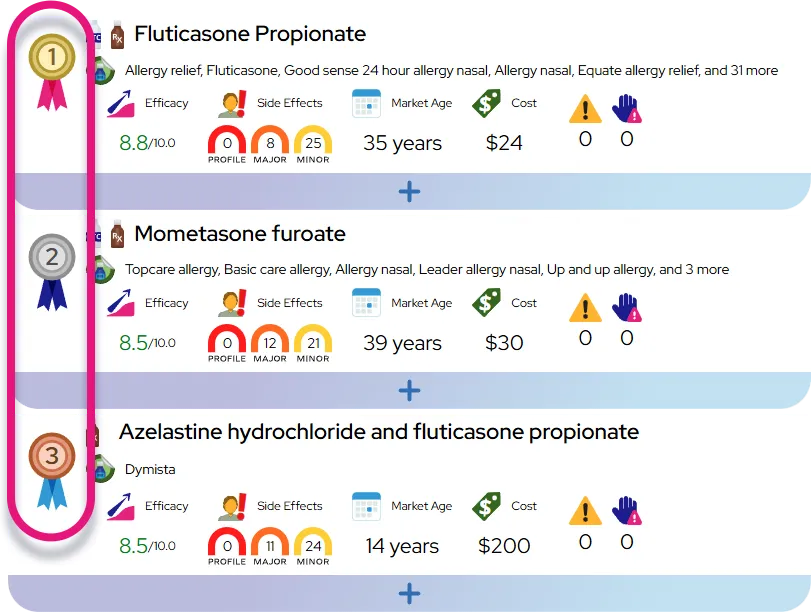
 Dextromethorphan hydrobromide is approved as an over-the-counter oral cough suppressant for temporary relief of cough in adults and children generally 4 years of age and older, depending on product labeling.
 Generic/Biosimilar name: Dextromethorphan hydrobromide.
 Active ingredient: Dextromethorphan Hydrobromide.

 Administration route: Oral.
 Typical oral doses range from 10–20 mg every 4 hours or 30 mg every 6–8 hours for adults, with lower age‑adjusted doses in children as specified on the product label.

How It Works
- Dextromethorphan acts on the brain’s cough center to raise the threshold for coughing, so you cough less often.
- It is related to opioid medicines but at normal doses does not relieve pain or cause typical opioid effects like euphoria or strong sedation.
- At very high doses it can affect other brain receptors, which is why misuse can lead to confusion, agitation, or hallucinations.
Treatment and Efficacy
Approved indications: Dextromethorphan hydrobromide is FDA-approved as an oral antitussive for temporary relief of cough due to minor throat and bronchial irritation from the common cold or inhaled irritants.
Off-label uses: It is sometimes used in combination with other drugs (such as quinidine or bupropion) to treat neurologic or psychiatric conditions, but those uses rely on different, prescription-only combination products with varying levels of supporting evidence.
Efficacy expectations: Cough relief usually begins within about 15–30 minutes of a dose and can last up to 4–6 hours, with modest reduction in cough frequency and intensity rather than complete elimination.
Comparison to similar drugs: Compared with other over-the-counter cough suppressants like codeine combinations, dextromethorphan provides similar or slightly less cough suppression for many people but has a lower risk of respiratory depression and is generally considered safer when used as directed.
Dosage and Administration
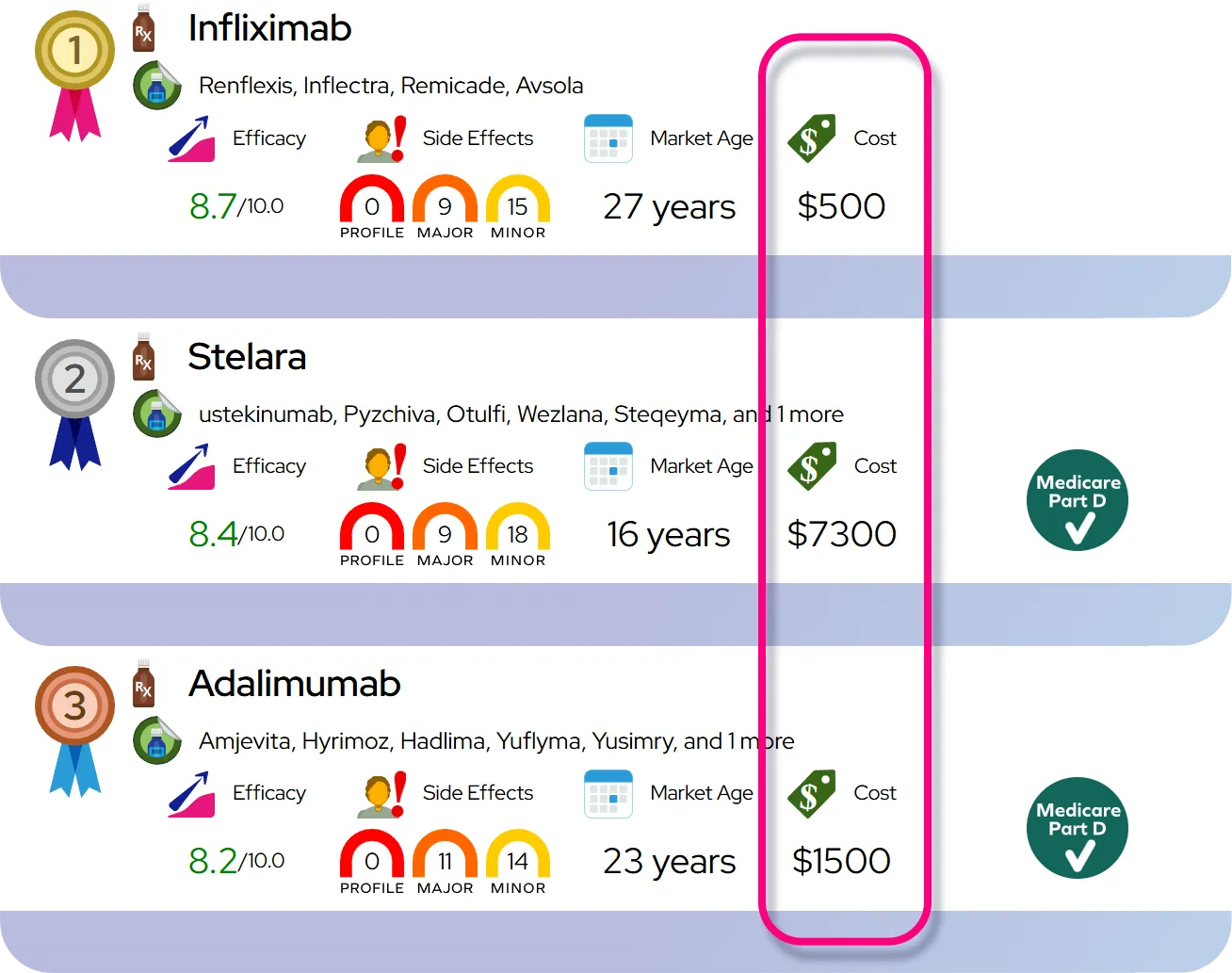
Typical dosing: Adults and adolescents commonly take 10–20 mg every 4 hours or 30 mg every 6–8 hours by mouth, not exceeding the maximum daily dose listed on the product; children receive lower weight- or age-based doses according to the specific product instructions.
How to take: Swallow tablets or capsules with water; measure liquids with a proper dosing device rather than a household spoon, and dextromethorphan can usually be taken with or without food unless the label states otherwise.
Special instructions: Do not exceed the recommended dose or use for longer than a few days unless directed by a clinician, and avoid combining multiple cough and cold products that might also contain dextromethorphan.
Missed dose guidance: If using it on a regular schedule and a dose is missed, take it when remembered unless it is almost time for the next dose, in which case skip the missed dose and resume the usual schedule without doubling.
Overdose: In suspected overdose—especially if there is severe drowsiness, confusion, hallucinations, slow or difficult breathing, or loss of consciousness—seek emergency medical care or contact a poison control center immediately.
Safety and Side Effects
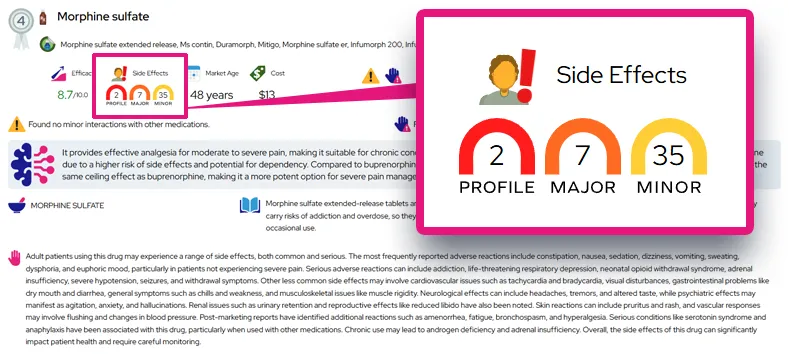
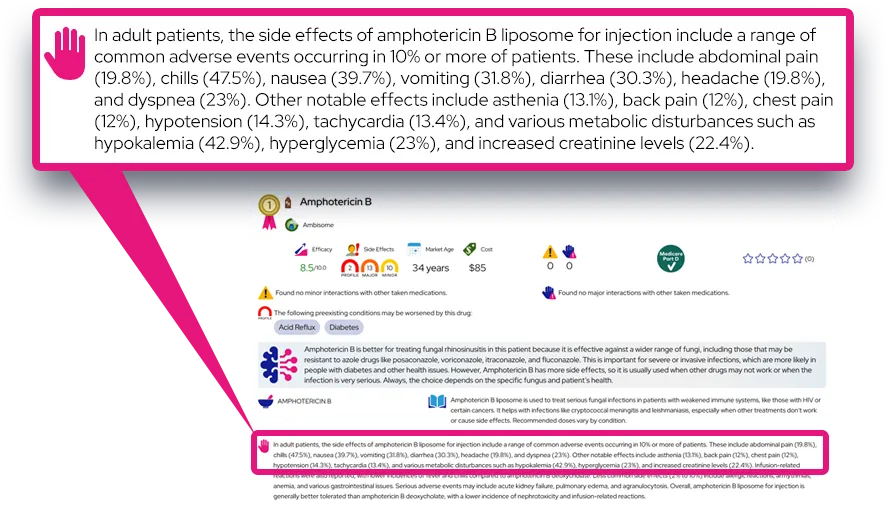
Common side effects: Mild dizziness, drowsiness, nausea, stomach upset, or feeling slightly "spaced out" can occur; these effects are usually short-lived and more likely at higher doses or in sensitive individuals.
Serious or rare adverse effects: Very high doses or abuse can cause confusion, agitation, hallucinations, fast heartbeat, poor coordination, or breathing problems; dextromethorphan taken with certain antidepressants or other serotonergic drugs can rarely trigger serotonin syndrome, with symptoms such as fever, muscle stiffness, or severe restlessness.
Warnings and precautions: Use cautiously or avoid in children under the age specified on the product label (often under 4 years), and check with a clinician before use in pregnancy or breastfeeding since data are limited; people with severe liver disease, chronic cough from asthma, smoking, or emphysema should consult a healthcare professional before using.
Comparative safety: When taken at recommended doses and for short periods, dextromethorphan is generally safer than opioid cough suppressants, but misuse or combining it with alcohol, sedatives, or certain prescription medicines increases risks.
Side-effect reporting and safety updates: Patients can report suspected side effects to a healthcare professional, to the product manufacturer via the phone number on the package, or directly to the FDA’s MedWatch program, which also posts ongoing safety communications.
Interactions and Precautions
Drug and supplement interactions: Dextromethorphan can interact with monoamine oxidase inhibitors (MAOIs), many antidepressants (SSRIs, SNRIs, tricyclics), certain migraine drugs, and other serotonergic medicines, increasing the risk of serotonin syndrome; sedatives, opioids, sleep medicines, some antihistamines, and alcohol can enhance drowsiness and other nervous system effects.
Other products and foods: Most foods are not problematic, but alcohol should be avoided, and patients should be cautious when using other over-the-counter cold or cough remedies, herbal products like St. John’s wort, or high-dose dextromethorphan-containing supplements.
Conditions requiring caution: Use with care or under medical supervision in people with liver impairment, chronic respiratory conditions, a history of substance misuse, or who are taking multiple psychiatric or neurologic medications.
Monitoring needs: Routine blood tests or ECGs are not usually required for short-term, over-the-counter use, but clinicians may monitor for mental status changes, blood pressure, or drug interactions in patients on complex regimens or long-term therapy with related prescription combinations.
Common Questions and Answers
Q: How long does it take for dextromethorphan hydrobromide to start working?
A: Most people begin to notice some relief from cough within about 15–30 minutes after an oral dose, with effects lasting several hours.
Q: Can I take dextromethorphan with my antidepressant?
A: Some antidepressants, especially SSRIs, SNRIs, tricyclics, and MAOIs, can interact with dextromethorphan and raise the risk of serotonin syndrome, so you should check with your prescriber or pharmacist before using it.
Q: Is dextromethorphan safe for children?
A: Safety depends on age and dose, and many products are not recommended for children under 4 years, so always follow the package directions and consult a pediatric clinician if unsure.
Q: Can I drive after taking dextromethorphan?
A: Dextromethorphan can cause drowsiness or dizziness in some people, so avoid driving or operating machinery until you know how it affects you.
Q: What happens if I accidentally take too much dextromethorphan?
A: Taking more than the recommended amount can cause nausea, vomiting, confusion, hallucinations, rapid heartbeat, or breathing problems, and you should seek urgent medical advice or contact a poison control center right away.
Better Treatment, Lower Cost – No Catch.
Find safer, more effective medications with fewer side effects – often for less money. It’s fast, free, and personalized. Learn More →
Disposal Guidance
Storage: Store dextromethorphan products at room temperature, away from excessive heat, moisture, and direct light, and keep the bottle tightly closed.
Child safety: Keep out of reach and sight of children, as overdose can be dangerous.
Disposal: Do not flush down the toilet unless instructed; instead, use a medicine take-back program or follow local guidance for mixing unused medicine with undesirable waste (like coffee grounds) in a sealed container before throwing it away.