


At a Glance
 Clonidine transdermal patches are FDA-approved to treat high blood pressure (hypertension) in adults, used alone or together with other blood pressure medicines.
 Generic/Biosimilar name: Clonidine.
 Active ingredient: Clonidine.

 Administration route: Transdermal.
 Typical dosing is one 0.1 mg/24-hour patch applied to a hairless area of the upper arm or chest once weekly, titrated up to 0.2–0.3 mg/24-hour as needed for blood pressure control.

How It Works
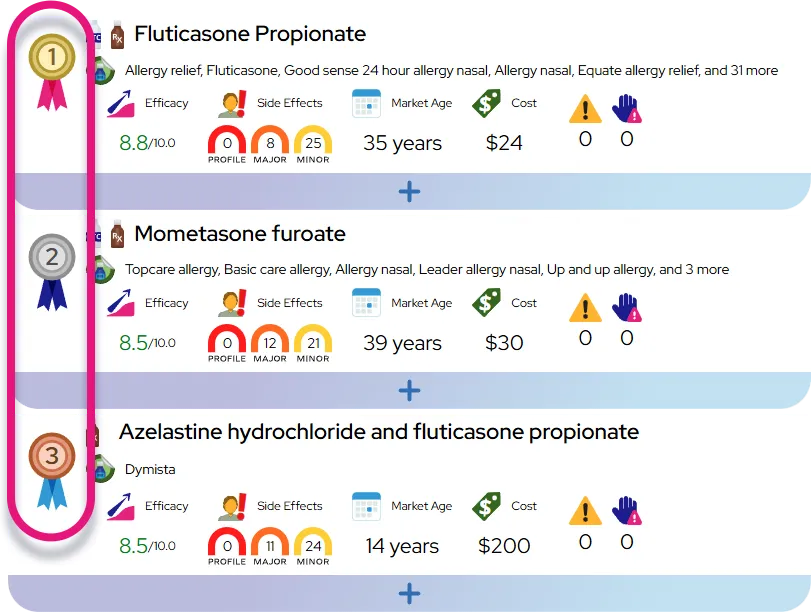
- Clonidine works in the brain on alpha-2 receptors to reduce "fight-or-flight" nerve signals that normally tighten blood vessels.
- With fewer of these signals, blood vessels relax and the heart does not have to pump as hard, which lowers blood pressure.
- The transdermal patch slowly releases clonidine through the skin over 7 days, providing steady, around-the-clock blood pressure control.
Treatment and Efficacy
Approved indication: The clonidine transdermal system is FDA-approved to treat high blood pressure (hypertension) in adults and may be used alone or together with other antihypertensive medicines.
Off-label uses: Clinicians sometimes use clonidine (most often oral forms, occasionally the patch) off-label for conditions such as attention-deficit/hyperactivity disorder (ADHD), menopausal hot flashes, and withdrawal from opioids, alcohol, or nicotine; evidence is moderate for withdrawal syndromes and ADHD (mainly with oral extended-release clonidine) and more limited for hot flashes and other uses.
Efficacy expectations: With the patch, blood pressure generally begins to improve within 2–3 days of the first application, with full benefit after dose titration over about 1–2 weeks, and many patients achieve clinically meaningful reductions in blood pressure when the drug is combined with lifestyle measures.
Comparison with similar drugs: Compared with oral clonidine, the transdermal system provides steadier drug levels, fewer daily peaks and troughs, and a somewhat lower risk of withdrawal-related rebound hypertension if a dose is delayed, though skin irritation is more common; compared with first-line agents such as thiazide diuretics, ACE inhibitors, ARBs, and calcium-channel blockers, clonidine is usually reserved as an additional or alternative option when standard therapies are insufficient or not tolerated.
Dosage and Administration
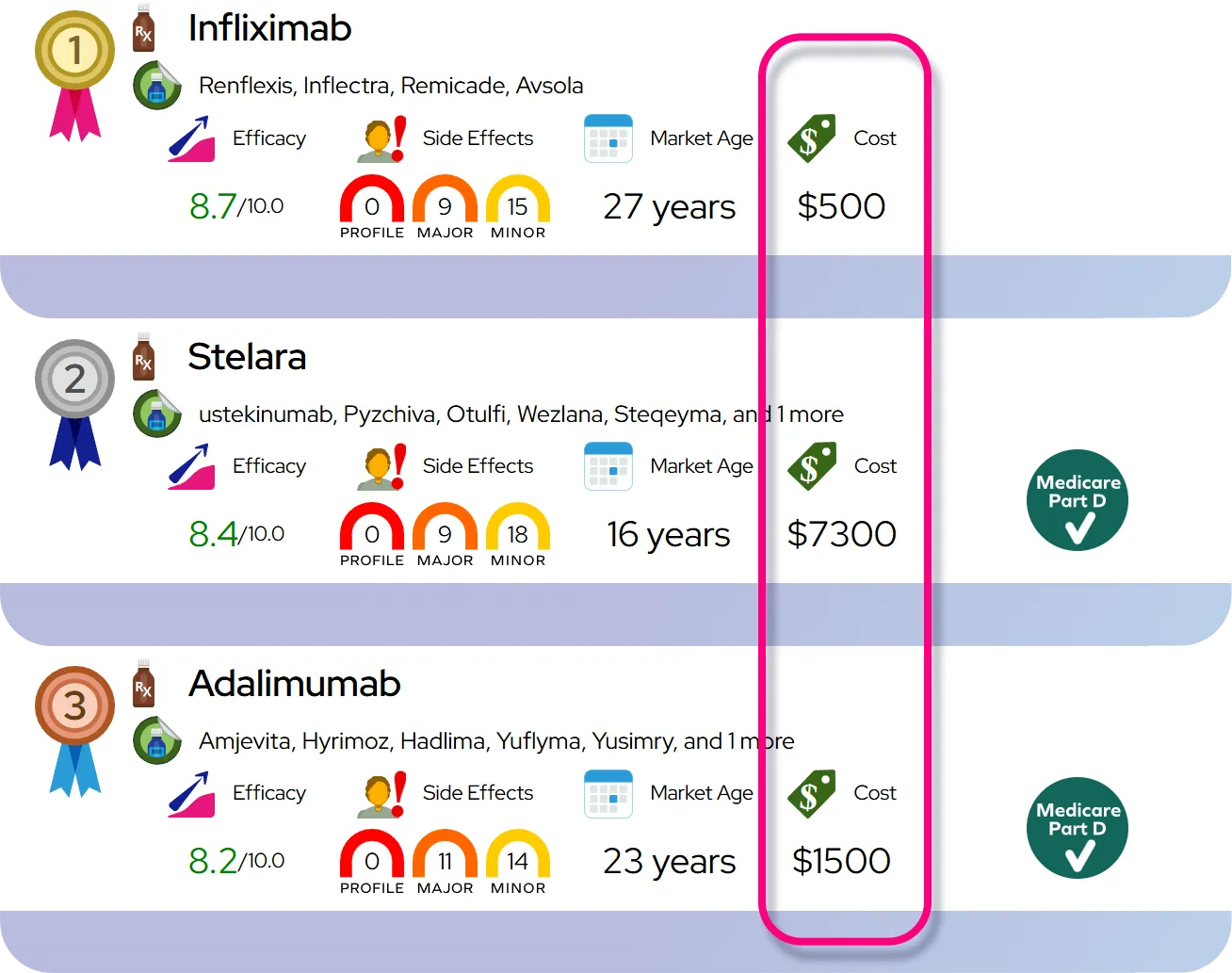
Typical adult dosing for hypertension (transdermal): Treatment usually begins with one 0.1 mg/24-hour patch applied once every 7 days; if blood pressure is not adequately controlled after 1–2 weeks, the dose can be increased stepwise to 0.2 or 0.3 mg/24-hour, and higher total doses are used only under specialist supervision.
Pediatric and special populations: Safety and dosing of clonidine patches in children have not been well established, so any pediatric use is typically specialist-managed, and people with significant kidney impairment often require lower doses and closer monitoring.
How to apply: Apply the patch to clean, dry, hairless, unbroken skin on the upper outer arm or upper chest, press firmly (especially around the edges), rotate application sites with each new patch, avoid placing heating pads or other external heat over the patch, and remove the patch before MRI scans or certain heat-based procedures to reduce the risk of skin burns.
Special dosing instructions: Dose adjustments should generally be made no more often than once a week, and when switching from oral clonidine to the patch, clinicians usually overlap and gradually taper the oral dose over several days because the patch takes 2–3 days to reach full effect.
Missed patch or patch falls off: If you forget to change a patch or it comes off, apply a new patch as soon as you remember to a different skin site and continue with a weekly schedule from that new application time; do not apply extra patches to make up for a missed or lost dose.
Overdose: Signs of overdose include extreme sleepiness, very slow heart rate, marked weakness, very low blood pressure, shallow breathing, or fainting; if overdose is suspected, remove any patches immediately and seek emergency medical care or contact poison control right away.
Safety and Side Effects
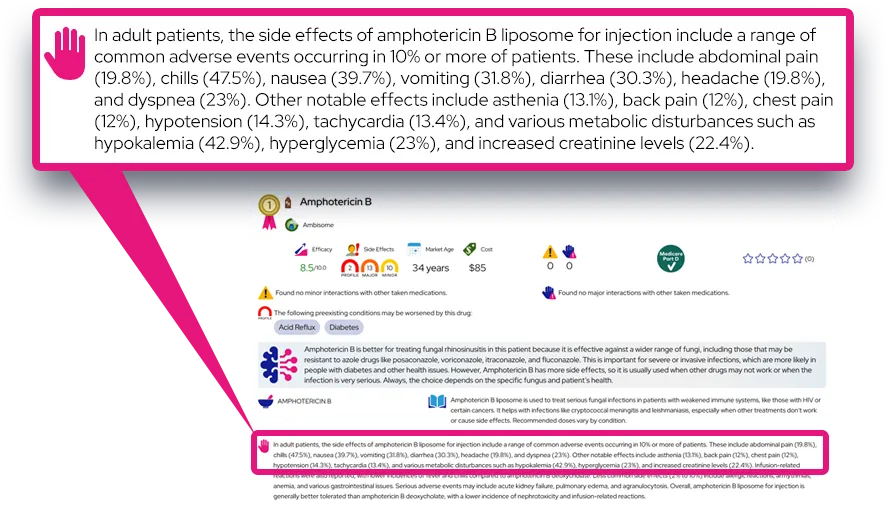
Common side effects: These usually appear in the first days to weeks and are often mild to moderate, including dry mouth, drowsiness, fatigue, dizziness or light-headedness (especially when standing), constipation, headache, trouble sleeping, and skin redness, itching, or rash at the patch site; some people need to stop the patch because of persistent skin irritation.
Serious or rare adverse effects (seek urgent medical care): Severe dizziness or fainting, very slow heart rate, chest pain, shortness of breath, confusion or severe headache with markedly high blood pressure (possible rebound after missed doses or abrupt stopping), signs of stroke, severe allergic reactions (such as swelling of the face, lips, tongue, or throat), or widespread, blistering, or painful skin reactions.
Warnings and precautions: Use with caution in people with low baseline blood pressure, heart rhythm or conduction problems (such as AV block or sick-sinus syndrome), severe coronary artery disease, prior stroke, chronic kidney disease, depression, or in older adults who are more prone to sedation and falls; the clonidine patch is not well studied in children, and in pregnancy or breastfeeding it is used only when the expected benefits clearly outweigh risks, since clonidine crosses the placenta, enters breast milk, and may affect the infant and milk supply.
Safety compared with other drugs: Relative to many modern blood pressure medicines, clonidine more often causes sedation, dry mouth, and withdrawal-related rebound hypertension if stopped suddenly, but the transdermal form reduces day-to-day dose swings and may be helpful for patients who have difficulty remembering multiple daily pills.
Side-effect reporting and safety updates: Side effects should be reported to the prescribing clinician and can also be reported directly to the FDA MedWatch program (online or by phone), and up-to-date safety communications and labeling changes are available on the FDA’s drug safety webpages.
Interactions and Precautions
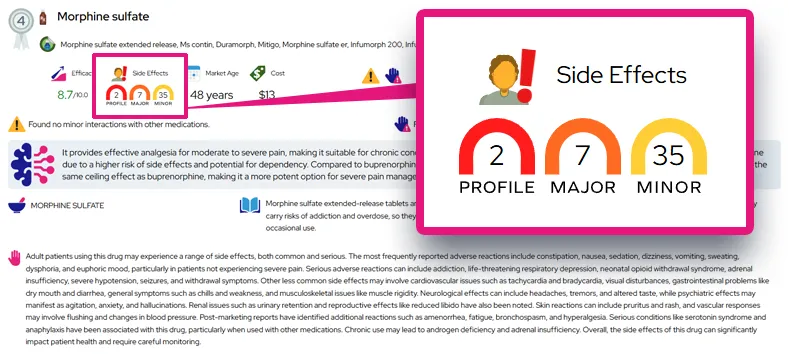
Other prescription drugs: Clonidine’s blood-pressure-lowering and heart-rate-slowing effects can add to those of other antihypertensives (such as diuretics, beta-blockers, calcium-channel blockers, ACE inhibitors, and ARBs) and drugs like digoxin, increasing the risk of low blood pressure or slow pulse; when clonidine is used with beta-blockers, abruptly stopping clonidine while continuing the beta-blocker can provoke dangerous rebound hypertension and must be avoided.
CNS depressants and psychiatric medicines: Opioids, benzodiazepines, sleep medicines, sedating antihistamines, muscle relaxants, and alcohol can increase drowsiness, dizziness, and impaired alertness with clonidine, while some antidepressants (especially tricyclics) and certain antipsychotics can reduce clonidine’s blood-pressure effect and may require dose adjustments.
OTC medicines, supplements, and foods: Over-the-counter cold and allergy products containing decongestants (like pseudoephedrine or phenylephrine) and stimulant supplements (including high-caffeine products, ephedra/"ma huang," or yohimbine) can raise blood pressure and counteract clonidine; normal meals do not significantly affect the patch, but alcohol should be limited or avoided because it adds to sedation and blood-pressure lowering.
Procedures and imaging: Because some clonidine patches contain metallic components and can heat up, they should generally be removed before MRI scans or certain deep-heat treatments (such as diathermy), then replaced afterward as directed by your clinician.
Monitoring and precautions: Regular checks of blood pressure and pulse at home and in clinic are recommended, with additional ECG or kidney-function monitoring in patients with heart-rhythm disorders, existing bradycardia, significant kidney disease, or those on multiple drugs that slow the heart or lower blood pressure.
Common Questions and Answers
Q: How long does it take for the clonidine patch to start lowering my blood pressure?
A: The patch usually begins to lower blood pressure within 2–3 days of the first application, with the full effect often seen after dose adjustments over the first week or two.
Q: Can I shower, swim, or exercise while wearing a clonidine patch?
A: Yes, normal showering, swimming, and exercise are usually allowed, but you should avoid rubbing or scratching the patch area and check that the patch edges remain well attached.
Q: What should I do if my clonidine patch comes loose or falls off?
A: If the patch lifts or falls off, put on a new patch right away at a different skin site and then continue with a weekly schedule from that new application time, without adding extra patches.
Q: Is it safe to stop the clonidine patch suddenly if I feel better?
A: No, stopping clonidine abruptly can cause a rapid rise in blood pressure and other symptoms, so any dose reduction or discontinuation should be done gradually under a clinician’s guidance.
Q: Can the clonidine patch cause drowsiness or affect my ability to drive?
A: Yes, clonidine can cause drowsiness, dizziness, or slowed reaction time, especially when you first start or when the dose is increased, so you should see how you feel before driving or operating machinery and avoid alcohol or other sedating drugs when possible.
Q: Is skin irritation from the patch normal?
A: Mild redness or itching under the patch is common and often improves by rotating sites, but if the reaction becomes painful, very itchy, blistered, or widespread, the patch should be removed and your clinician contacted for advice.
Better Treatment, Lower Cost – No Catch.
Find safer, more effective medications with fewer side effects – often for less money. It’s fast, free, and personalized. Learn More →
Disposal Guidance
Storage: Store clonidine patches at room temperature (about 68–77°F / 20–25°C), in the sealed pouch until use, away from heat, moisture, and direct sunlight, and always keep them out of reach of children and pets.
Handling: Do not cut the patch; apply it immediately after opening the pouch to clean, dry skin, press firmly so the edges stick well, and if it starts to lift use the supplied adhesive cover rather than tape or glue.
Disposal: After removal, fold the patch in half with the sticky sides together, place it back in its pouch or another container before throwing it in the household trash, keep discarded patches away from children and animals, and do not flush patches down the toilet unless the product label specifically instructs you to do so.