


At a Glance
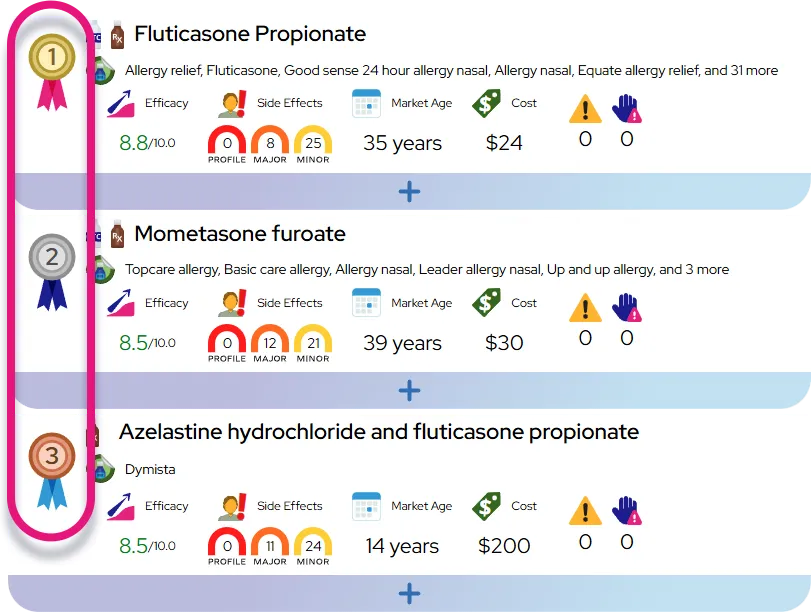
 Cinqair (reslizumab) is FDA-approved as add-on maintenance therapy for severe eosinophilic asthma in adults 18 years and older.
 This is a brand drug with no generic or biosimilar.
 Active ingredient: Reslizumab.

 Administration route: Intravenous.
 The typical Cinqair dose is 3 mg/kg given by intravenous infusion over 20–50 minutes once every 4 weeks.

How It Works
- Cinqair is a monoclonal antibody that targets a signaling protein in the body called interleukin‑5 (IL‑5).
- By blocking IL‑5, it reduces the number and activity of eosinophils, a type of white blood cell involved in certain kinds of asthma.
- Fewer eosinophils in the lungs help decrease inflammation, asthma attacks, and breathing symptoms over time.
Treatment and Efficacy
Approved indications: Cinqair is approved as add-on maintenance treatment for severe asthma with an eosinophilic phenotype in adults, generally used when symptoms remain uncontrolled despite high-dose inhaled corticosteroids and other standard therapies.
Off-label uses: Limited research has explored reslizumab in other eosinophilic conditions (such as certain hypereosinophilic or nasal polyposis disorders), but these uses are not FDA-approved and evidence is less robust than for its asthma indication, so such use is individualized and specialist-guided.
Efficacy expectations: Many patients begin to notice fewer asthma symptoms and exacerbations within the first few months, with clinical trial data showing reductions in asthma attacks and oral steroid use and improvements in lung function and quality of life compared with placebo when added to usual therapy.
Comparison to similar drugs: Cinqair offers efficacy comparable to other IL‑5–targeting biologics (such as mepolizumab and benralizumab) in eosinophilic asthma, but differs in being given as weight‑based intravenous infusions in a healthcare setting rather than fixed-dose injections typically administered subcutaneously.
Dosage and Administration
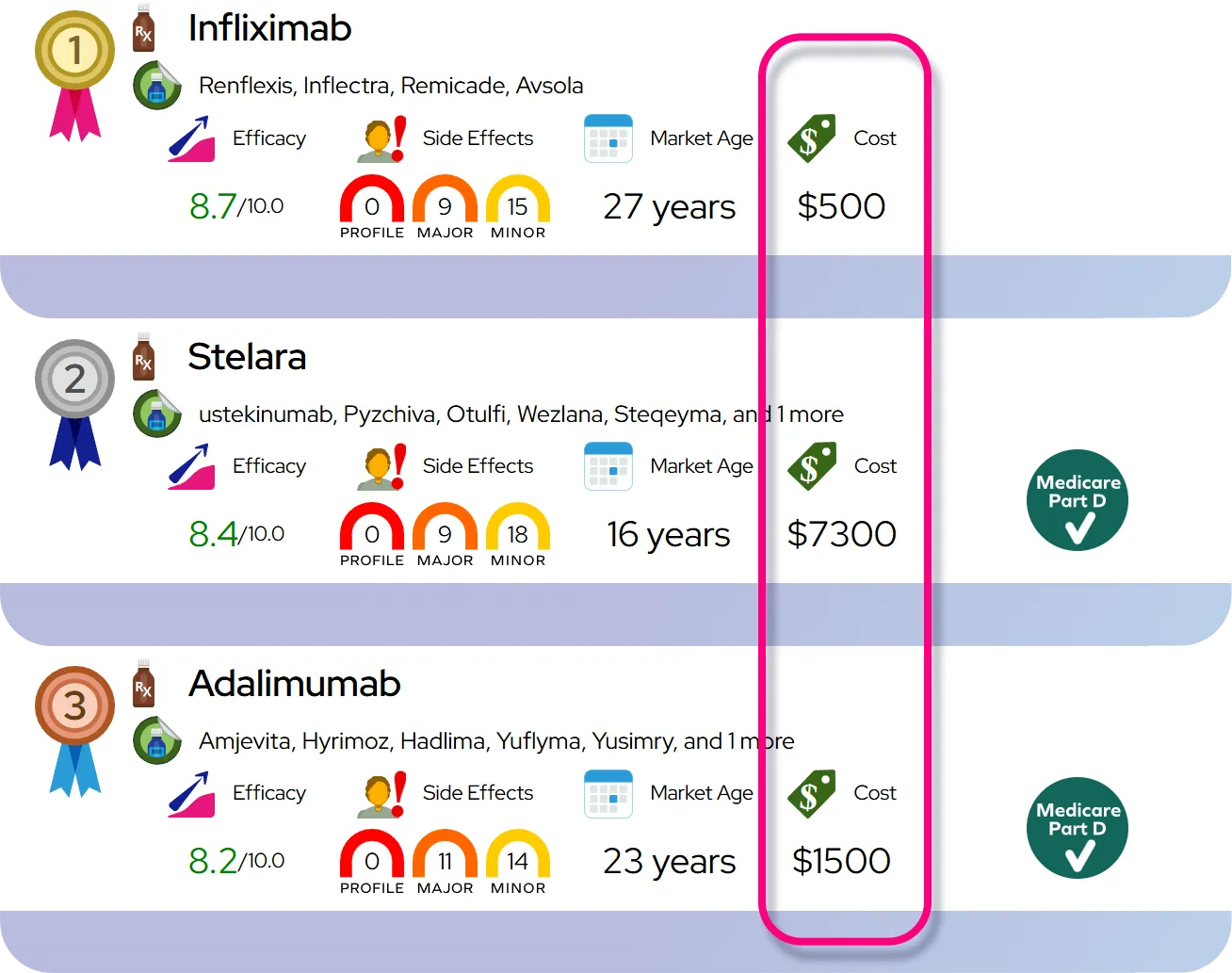
Typical dosing: For adults with severe eosinophilic asthma, the recommended dose is 3 mg/kg administered by intravenous infusion over 20–50 minutes once every 4 weeks, prepared and given by trained healthcare personnel.
How it is given: The dose is calculated from body weight, diluted, and infused through an IV line in a clinic or infusion center; it is not a self‑injected medicine and can be given without regard to meals or time of day, based mainly on scheduling and infusion center availability.
Special dosing instructions: Doses are repeated every 4 weeks on an ongoing basis as long as clinical benefit continues, and patients are observed during and for a period after each infusion to watch for infusion reactions or anaphylaxis.
Missed dose guidance: If an infusion appointment is missed, patients should contact their healthcare provider or infusion center as soon as possible to reschedule; the schedule is then adjusted, but doses are not “doubled” to make up for the missed treatment.
Overdose: In case of suspected overdose or receiving more than the intended amount, medical evaluation and monitoring for side effects, especially allergic or infusion-related reactions, are required, with supportive care provided as needed.
Safety and Side Effects
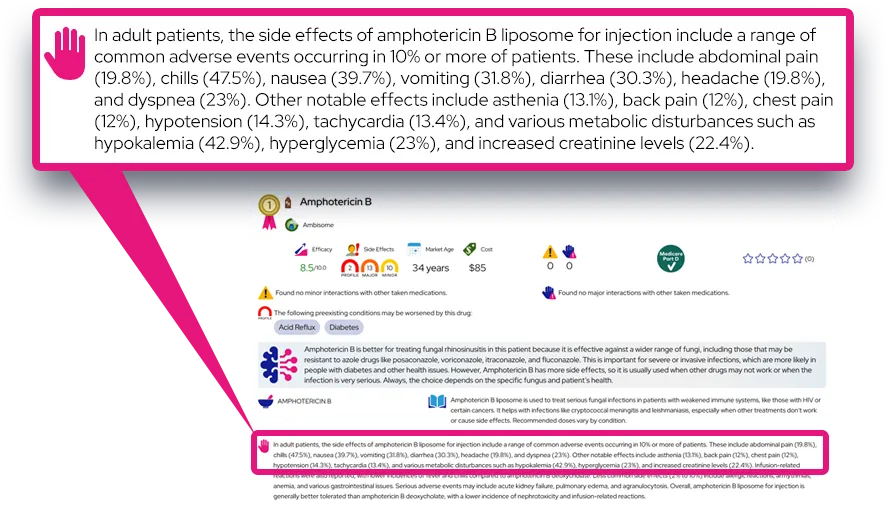
Common side effects: The most frequent reactions include infusion-related symptoms (such as throat or oropharyngeal pain), muscle pain, and fatigue, which are usually mild to moderate and occur around the time of or shortly after the infusion.
Serious or rare adverse effects: Anaphylaxis and other serious hypersensitivity reactions can occur, often during or within a short time after the infusion, so patients are monitored and emergency treatment must be immediately available; any trouble breathing, swelling of face or throat, severe rash, dizziness, or chest tightness needs urgent medical attention.
Warnings and precautions: Use with caution in patients with known helminth (parasitic worm) infections, as IL‑5 blockade may affect parasite control; safety in pregnancy and breastfeeding is not well established, so use is based on risk–benefit discussion, and the drug is approved only for adults 18 years and older, not for children.
Comparative safety: Overall, Cinqair and similar biologic asthma agents have relatively targeted effects and generally favorable safety profiles compared with long-term high-dose oral steroids, but they still carry risks of hypersensitivity reactions and require supervised administration.
Reporting and safety updates: Side effects can be reported to a healthcare provider and to the FDA MedWatch program, and up-to-date safety information is available through prescribing information and regulatory safety communications.
Interactions and Precautions
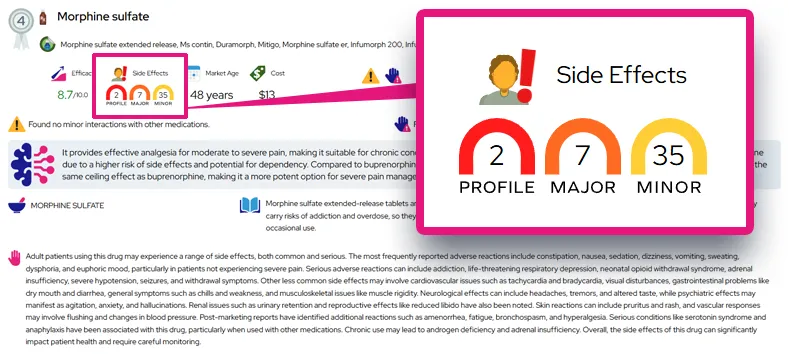
Drug and supplement interactions: Cinqair is a monoclonal antibody that is not metabolized by liver enzymes in the same way many pills are, so it has few known interactions with most prescription drugs, OTC medicines, or supplements, though patients should still provide a full medication list for review.
Food, alcohol, and procedures: There are no specific food restrictions and no well-established interactions with alcohol beyond general guidance to avoid alcohol excess that could worsen asthma; it also does not usually interfere with common diagnostic or imaging procedures.
Precautions and contraindications: It should not be used in anyone with a history of severe hypersensitivity to reslizumab or its excipients, and clinicians use caution in patients with active helminth infections, significant immunologic disorders, or other conditions where altering eosinophil levels may be risky.
Monitoring needs: Patients are monitored during and after each infusion for signs of infusion reactions or anaphylaxis, and clinicians may periodically review asthma control, lung function tests, eosinophil counts, and the need for other asthma medications to ensure ongoing benefit and safety.
Common Questions and Answers
Q: How long does it take for Cinqair to start working for asthma?
A: Some people notice fewer symptoms and exacerbations within the first 4–12 weeks, but full assessment of benefit often requires several months of regular infusions.
Q: Is Cinqair a steroid or a rescue inhaler?
A: No, Cinqair is not a steroid or quick‑relief inhaler; it is a long‑term biologic add‑on treatment given by IV infusion and you still need to use your regular controller and rescue inhalers as prescribed.
Q: How often do I need Cinqair infusions?
A: Cinqair is typically given once every 4 weeks by intravenous infusion in a clinic or infusion center.
Q: Can Cinqair cure my asthma?
A: Cinqair does not cure asthma, but it can significantly reduce asthma attacks and improve symptom control in many adults with severe eosinophilic asthma when used long term.
Q: Can I get Cinqair at home?
A: Cinqair is generally administered in a medical setting by trained staff because it is an IV infusion and there is a small risk of serious allergic reactions that requires on‑site monitoring and emergency treatment capability.
Better Treatment, Lower Cost – No Catch.
Find safer, more effective medications with fewer side effects – often for less money. It’s fast, free, and personalized. Learn More →
Disposal Guidance
Storage: Cinqair vials are stored refrigerated by healthcare providers and protected from light; they should not be frozen or shaken.
Disposal: Unused or expired vials and used IV materials are disposed of by clinic or hospital staff according to medical waste regulations; patients do not handle home disposal.