


Bupropion hydrochloride
At a Glance
 Oral bupropion hydrochloride is FDA‑approved in adults for major depressive disorder, seasonal affective disorder, and as an aid to smoking cessation (sustained/extended-release formulations).
 Generic/Biosimilar name: Bupropion hydrochloride.
 Active ingredient: Bupropion Hydrochloride.

 Administration route: Oral.
 Typical adult doses range from 150–300 mg per day by mouth for depression and 150–300 mg per day for smoking cessation, using immediate-, sustained-, or extended-release tablets as directed.

How It Works
- Bupropion affects chemicals in the brain (mainly dopamine and norepinephrine) that influence mood, energy, and cravings.
- It blocks the “reuptake” or recycling of these chemicals, so more stays available between nerve cells.
- For smoking cessation, this helps reduce nicotine cravings and withdrawal symptoms.
Treatment and Efficacy
Approved indications
Oral bupropion is approved in adults for major depressive disorder (immediate- or extended-release), prevention of seasonal major depressive episodes in seasonal affective disorder (extended-release), and as a smoking cessation aid (sustained-release) when combined with counseling and behavior support.
Off-label uses and evidence
Clinicians may use bupropion off-label for attention-deficit/hyperactivity disorder, antidepressant-induced sexual dysfunction, bipolar depression (with mood stabilizers), and obesity or weight management; evidence ranges from small randomized trials and observational studies to clinical experience, and it is generally considered a second-line or adjunctive option in these settings.
Efficacy expectations
For depression and seasonal affective disorder, some people notice benefits within 1–2 weeks, but full effect often takes 4–6 weeks, with improvements in energy, motivation, and mood comparable to many other antidepressants, especially SSRIs.
For smoking cessation, quit rates are higher than with placebo and similar to or somewhat lower than some nicotine-replacement or varenicline-based approaches, and it is often chosen when weight gain or sexual side effects from other agents are concerns.

Dosage and Administration
Typical dosing and how to take
For major depressive disorder, adults often start at 150 mg once daily (extended- or sustained-release) or 100 mg twice daily (immediate-release), with gradual increases to 300 mg per day; some may go up to 450 mg per day if needed and tolerated.
For seasonal affective disorder, extended-release formulations commonly start at 150 mg once daily in the fall, increasing to 300 mg once daily and tapering off in early spring as directed.
For smoking cessation, a usual regimen is 150 mg once daily for 3 days, then 150 mg twice daily, starting 1–2 weeks before the planned quit date and continuing for about 7–12 weeks.
Swallow sustained- and extended-release tablets whole without crushing, breaking, or chewing; doses are usually taken in the morning (and early afternoon if twice daily) to reduce insomnia and may be taken with or without food.
Special instructions
Dose increases should be gradual, separated by several days, and total daily doses should be divided to minimize seizure risk; in kidney or liver impairment, lower maximum doses or less frequent dosing are often needed.
Missed dose guidance
If a dose is missed, take it as soon as remembered unless it is close to the time of the next dose; if it is late in the day, skip the missed dose to avoid taking extra tablets or doses too close together, and never double up to make up for a missed dose.
Overdose
Overdose can cause seizures, hallucinations, confusion, heart rhythm changes, or loss of consciousness; emergency medical care or contact with poison control is needed immediately if an overdose is suspected.
Safety and Side Effects
Common side effects
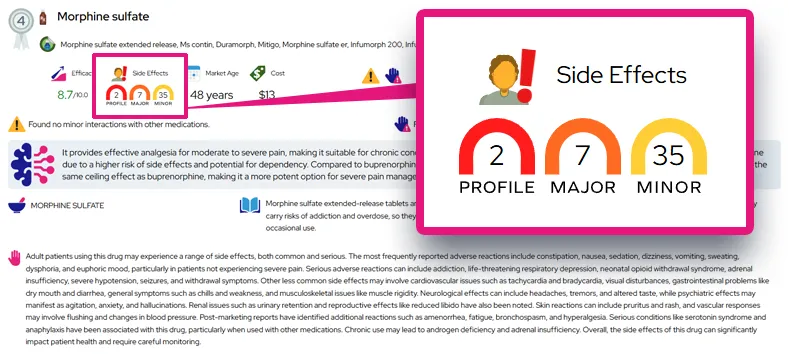
Frequently reported effects include dry mouth, insomnia, headache, nausea, constipation, sweating, tremor, and increased anxiety or restlessness; these are usually mild to moderate, begin in the first days to weeks, and may lessen over time.
Because bupropion is activating, difficulty sleeping and jitteriness are more common than with many sedating antidepressants, especially if doses are taken too late in the day.
Serious or rare adverse effects
Bupropion can increase the risk of seizures, particularly at higher doses or in people with seizure risk factors, eating disorders (bulimia or anorexia nervosa), abrupt alcohol or benzodiazepine withdrawal, or severe head trauma; any seizure requires urgent medical attention and stopping the drug.
Other serious reactions include severe allergic reactions, Stevens–Johnson syndrome, hypertension or hypertensive crisis, unusual mood or behavior changes, suicidal thoughts (especially in young adults), and manic or psychotic symptoms in susceptible individuals, which warrant immediate evaluation.
Warnings and precautions
Bupropion is contraindicated in patients with a current or past diagnosis of bulimia or anorexia nervosa, a seizure disorder, or those using other bupropion-containing products.
Caution is needed in pregnancy and breastfeeding; risks and benefits should be weighed individually, and infants exposed via breast milk should be monitored for irritability, poor feeding, or sleep changes.
Use carefully in severe liver disease, kidney impairment, uncontrolled high blood pressure, bipolar disorder, psychotic disorders, and in adults under 25 years, who may have a higher risk of suicidal thinking when starting antidepressants.
Comparative safety
Compared with many SSRIs, bupropion usually causes less sexual dysfunction, less weight gain, and less sedation, but it has a higher seizure risk at excessive doses and may worsen anxiety or insomnia in some people.
Reporting side effects and safety updates
Side effects should be reported to a healthcare professional and can also be reported directly to the FDA through the MedWatch program; current safety communications and label updates are available on the FDA’s online drug database.
Interactions and Precautions
Drug and substance interactions
Bupropion interacts with several medicines that lower the seizure threshold (such as other bupropion products, certain antipsychotics, systemic steroids, tramadol, theophylline), increasing seizure risk.
It is a strong inhibitor of CYP2D6 and can raise levels of drugs metabolized by this enzyme, including some antidepressants, antipsychotics, beta-blockers, and tamoxifen, so dose adjustments or alternatives may be needed.
Use with monoamine oxidase inhibitors is contraindicated and requires a washout period before starting bupropion; caution is also needed with other medicines that affect dopamine or norepinephrine.
Alcohol can increase the risk of seizures and neuropsychiatric effects and may reduce the effectiveness of treatment; limiting or avoiding alcohol is usually advised.
Other precautions
Preexisting conditions such as seizure disorders, eating disorders, severe head injury, brain tumors, uncontrolled hypertension, bipolar disorder, or abrupt withdrawal from alcohol, benzodiazepines, or barbiturates make use unsafe or require specialist supervision.
Monitoring needs
Blood pressure should be checked before starting and periodically during therapy, especially in those with hypertension or when combined with nicotine replacement; mental health and behavior should be monitored for new or worsening mood, anxiety, agitation, or suicidal thoughts.
Routine blood tests or ECGs are not required for most patients but may be ordered based on other health conditions or concurrent medications.
Common Questions and Answers
Q: How long does it take for bupropion to start working for depression?
A: Some people notice more energy or better sleep within 1–2 weeks, but mood improvement often takes 4–6 weeks, and full benefit may take a bit longer.
Q: Will bupropion make me gain or lose weight?
A: Bupropion is generally weight‑neutral or associated with modest weight loss, and it is less likely to cause weight gain than many other antidepressants, though individual responses vary.
Q: Can I drink alcohol while taking bupropion?
A: Alcohol can increase the risk of seizures and side effects and may reduce treatment benefits, so many clinicians recommend minimizing or avoiding alcohol while on bupropion.
Q: Is it safe to stop bupropion suddenly?
A: It is usually better to taper bupropion gradually under medical supervision to reduce the chance of mood changes or other withdrawal-like symptoms.
Q: Can bupropion be taken with other antidepressants?
A: Bupropion is sometimes combined with SSRIs or other antidepressants to improve response or reduce sexual side effects, but this must be carefully managed by a clinician because of interaction and side‑effect risks.
Better Treatment, Lower Cost – No Catch.
Find safer, more effective medications with fewer side effects – often for less money. It’s fast, free, and personalized. Learn More →
Disposal Guidance
Storage
Store tablets at room temperature, away from moisture, heat, and direct light, and keep them in the original child‑resistant container with the lid tightly closed.
Keep out of reach of children and pets, and do not store in the bathroom where humidity is high.
Disposal
Do not flush bupropion down the toilet unless specifically instructed; instead, use a drug take‑back program or follow local guidance for mixing unused tablets with undesirable material (such as used coffee grounds) in a sealed container before discarding in household trash.