


At a Glance
 Meclizine hydrochloride by mouth is approved to prevent and treat nausea, vomiting, and dizziness from motion sickness and to treat vertigo from vestibular (inner ear) disorders in adults and in children 12 years and older, with use in younger children only if directed by a doctor.
 Generic/Biosimilar name: Meclizine hydrochloride.
 Active ingredient: Meclizine Hydrochloride.


 Administration route: Oral.
 Typical dosing is 25–50 mg by mouth once daily about 1 hour before travel for motion sickness, or 25–100 mg per day in divided doses for vertigo in adults and children 12 years and older.

How It Works
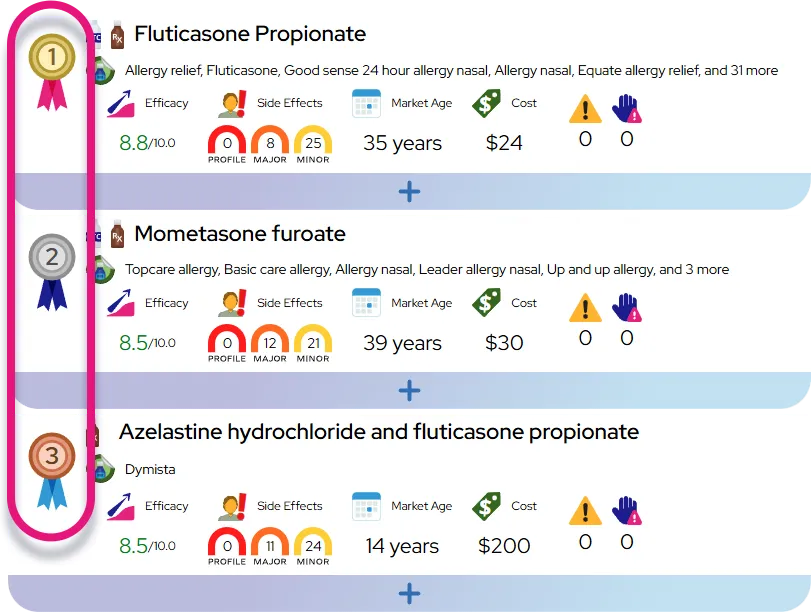
- Meclizine is a first-generation antihistamine that blocks H1 receptors in the brain.
- It also has anticholinergic effects that reduce signals from the inner ear (vestibular system) to the brain’s vomiting center.
- By calming these signals, it helps reduce nausea, vomiting, and the feeling of spinning or motion.
Treatment and Efficacy
Approved indications: Meclizine is used to prevent and treat nausea, vomiting, and dizziness from motion sickness, and to treat vertigo caused by diseases of the vestibular (inner ear) system such as Ménière’s disease, mainly in adults and in children 12 years and older.
Common off-label uses (evidence generally low to moderate):
- Short-term relief of vertigo from benign paroxysmal positional vertigo (BPPV) when repositioning maneuvers are not sufficient or not tolerated.
- Symptomatic treatment of nausea and vomiting from conditions such as viral illness, gastrointestinal upset, migraine, radiation therapy, or pregnancy when preferred alternatives are not suitable.
Efficacy expectations:
- Begins to work in about 1 hour, with effects usually lasting 8–24 hours.
- For motion sickness, many people notice less nausea and dizziness with the first dose, especially if taken before exposure to motion.
- For vertigo from inner-ear disorders, it can lessen spinning sensations and nausea but does not correct the underlying cause, so it is best for short-term symptom control.
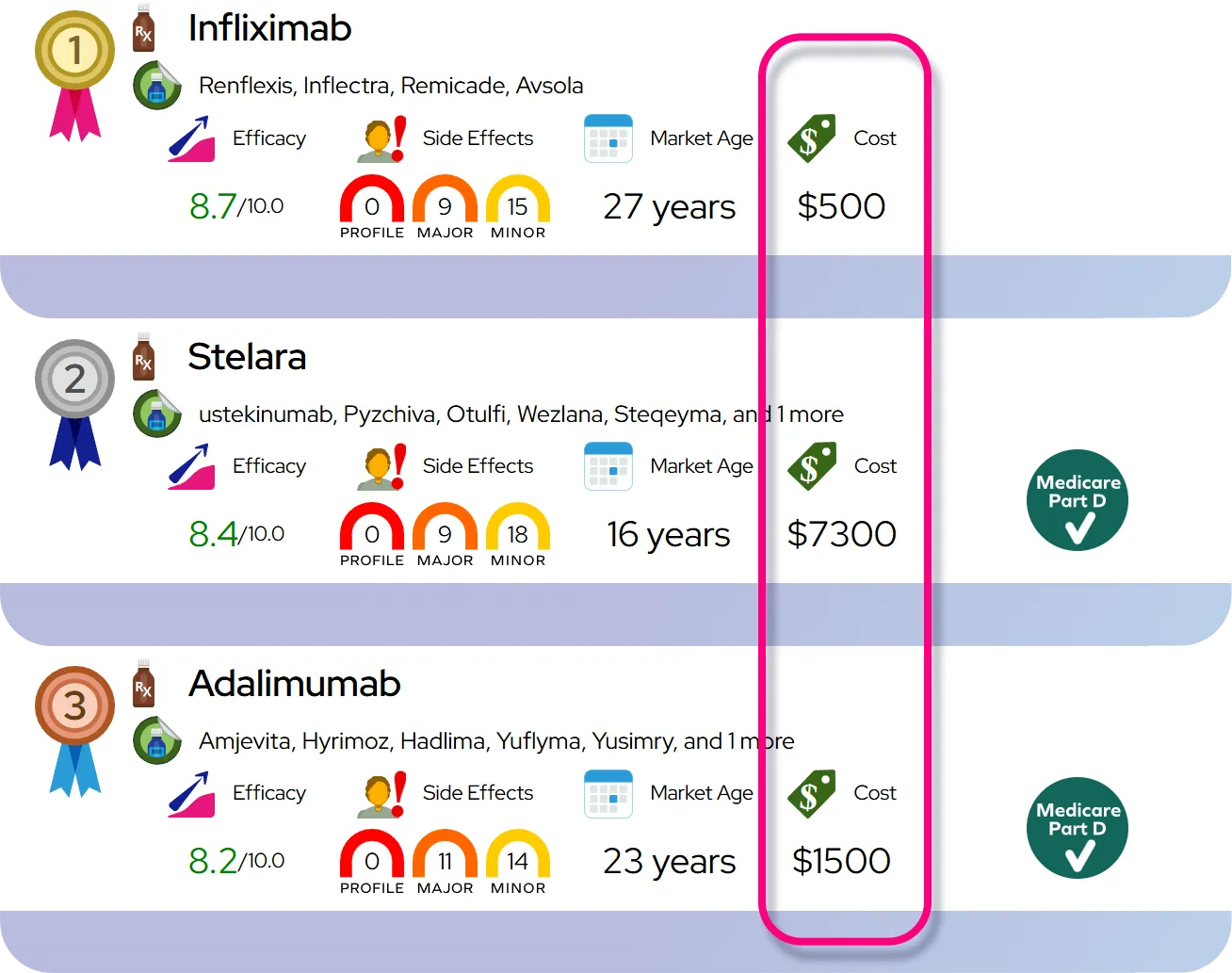
- Compared with other first-generation antihistamines used for motion sickness (such as dimenhydrinate or diphenhydramine), meclizine has similar effectiveness but often causes somewhat less drowsiness at usual doses.
Dosage and Administration
Typical adult and adolescent dosing (12 years and older):
- Motion sickness: 25–50 mg by mouth once daily, taken about 1 hour before travel; may be repeated every 24 hours as needed.
- Vertigo from vestibular disorders: 25–100 mg per day by mouth, usually in 1–4 divided doses, adjusted to symptom control.
Children under 12 years: Safety and effectiveness have not been well studied, and routine use is not recommended unless specifically directed by a pediatric clinician.
How to take:
- Swallow standard tablets whole with water; chewable tablets should be chewed or crushed completely before swallowing.
- May be taken with or without food; taking with a light snack can help reduce stomach upset.
- For prevention of motion sickness, take the dose at least 1 hour before motion exposure rather than waiting for symptoms to start.
Special dosing instructions: In older adults or people sensitive to sedation, start at the lowest effective dose and avoid taking it more often than once every 24 hours unless advised by a clinician.
Missed dose: If you take meclizine on a schedule and miss a dose, take it when you remember unless it is almost time for the next dose; if so, skip the missed dose and resume your usual schedule without doubling up.
Overdose: Taking too much can cause severe drowsiness, confusion, agitation, very dry mouth, enlarged pupils, fast or irregular heartbeat, seizures, or loss of consciousness; in case of suspected overdose, contact a poison control center (1-800-222-1222 in the U.S.) or seek emergency medical care immediately.
Safety and Side Effects
Common side effects:
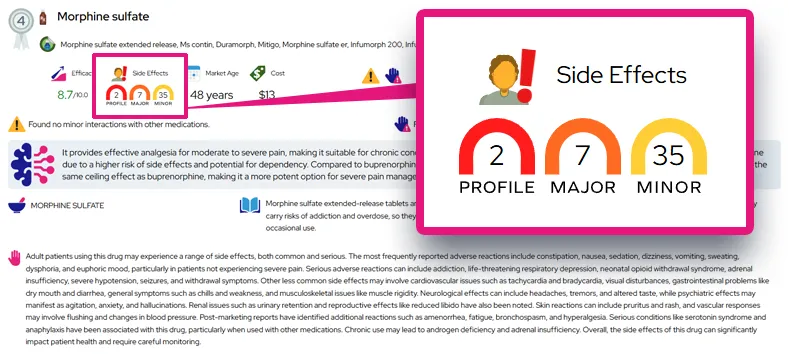
- Drowsiness, fatigue, and slower reaction time are common, usually beginning soon after a dose and often mild to moderate.
- Dry mouth, dry eyes, constipation, or blurred vision can occur due to anticholinergic effects.
- Headache, nausea, or vomiting may also occur, typically mild and temporary.
Serious or rare adverse effects (seek urgent medical care):
- Allergic reactions such as rash, itching, swelling of the face, lips, tongue, or throat, trouble breathing, or severe dizziness.
- Severe confusion, agitation, hallucinations, or difficulty waking, especially in older adults.
- Inability to urinate, very fast heartbeat, or sudden worsening of glaucoma symptoms (eye pain, vision changes).
Warnings and precautions:
- Pregnancy: Available human data do not show a clear increase in birth defects, and meclizine is sometimes used for nausea in pregnancy, but it should be used only when clearly needed and under medical supervision.
- Breastfeeding: Limited information is available; small amounts may enter breast milk and could cause drowsiness or dry mouth in the infant, so use the lowest effective dose and monitor the baby.
- Children: Safety and effectiveness are not well established in children under 12 years; use in younger children should be only if specifically directed by a clinician.
- Older adults: Classified as potentially inappropriate in older adults because of strong anticholinergic and sedating effects that raise the risk of confusion, falls, and constipation; avoid if possible or use the lowest effective dose for the shortest time.
- Medical conditions: Use with caution in people with glaucoma, enlarged prostate or urinary retention, bowel obstruction, asthma or COPD, or significant liver or kidney disease, and in those already taking multiple anticholinergic medicines.
Relative safety: Meclizine shares the sedation and anticholinergic risks of other first-generation antihistamines; many people tolerate short-term use well, but long-term or high-dose use, especially in older adults, increases the risk of cognitive effects, dry mouth, constipation, and falls.
Side effect reporting and safety updates: Side effects can be reported to the U.S. Food and Drug Administration (FDA) through the MedWatch program (online or by calling 1-800-FDA-1088), where the latest safety communications are also available.
Interactions and Precautions
Major drug and substance interactions:
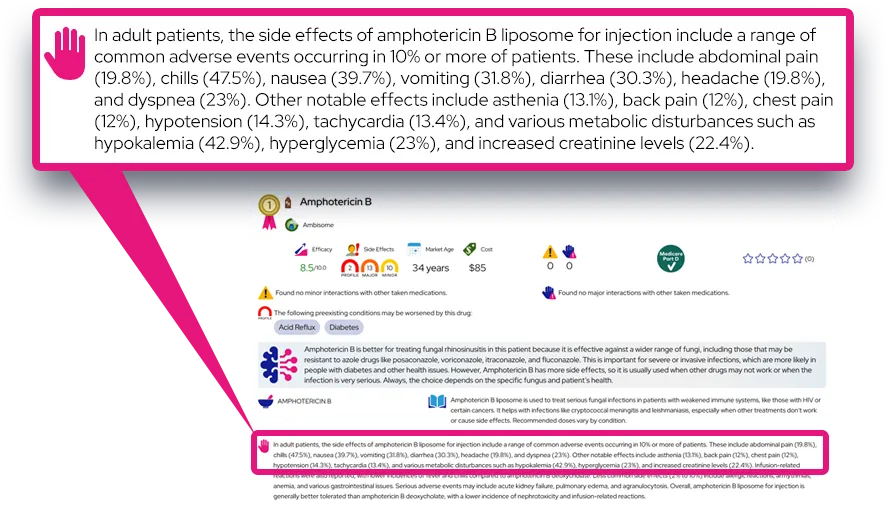
- Other sedating medicines (such as opioids, benzodiazepines, sleep aids, many antipsychotics, some antidepressants, and other antihistamines) and alcohol can markedly increase drowsiness, impaired coordination, and risk of accidents.
- Other anticholinergic drugs (for example, some bladder medications, tricyclic antidepressants, antipsychotics, and certain inhaled or oral bronchodilators) can add to dry mouth, constipation, blurred vision, confusion, and urinary retention.
- Medicines that inhibit the enzyme CYP2D6 (such as some SSRIs, bupropion, quinidine, and others) may increase meclizine blood levels and side effects.
Food and lifestyle interactions: Alcohol should be avoided because it adds to sedation and slows reaction time; caution is needed with driving, operating machinery, or other tasks requiring alertness, especially when first starting the drug or after dose changes.
Precautions and conditions needing extra care:
- History of angle-closure glaucoma, enlarged prostate, or urinary retention.
- Asthma, COPD, or other chronic breathing problems.
- Older age, cognitive impairment, high fall risk, or use of multiple anticholinergic medications.
- Significant liver or kidney impairment, where drug clearance may be reduced.
- Pregnancy or breastfeeding, where risks and benefits should be carefully weighed with a clinician.
Monitoring needs: Routine blood tests or ECGs are not usually required; clinicians may monitor for excessive sedation, confusion, urinary problems, or worsening of glaucoma or breathing symptoms, particularly in older adults or those with underlying conditions.
Common Questions and Answers
Q: How long does meclizine take to start working, and how long do the effects last?
A: It usually starts to work within about 1 hour after a dose, and its effects typically last 8–24 hours, depending on the dose and individual response.
Q: Can I take meclizine every day?
A: Short-term daily use for a few days during travel or an acute vertigo episode is common, but regular or long-term daily use should be discussed with your clinician because of risks like drowsiness, dry mouth, constipation, and potential effects on thinking, especially in older adults.
Q: Is meclizine safe to use in pregnancy?
A: Studies have not shown a clear increase in birth defects, and meclizine is sometimes used for nausea and vomiting in pregnancy, but it should only be taken under the guidance of a prenatal care provider who can weigh its benefits and risks for you.
Q: Can I drink alcohol while taking meclizine?
A: Alcohol should be avoided because it adds to the sedating effects of meclizine and can significantly increase drowsiness, dizziness, and the risk of accidents.
Q: Is meclizine the same as Dramamine or Bonine?
A: Meclizine is the active ingredient in some “less drowsy” motion-sickness products such as Bonine and certain Dramamine formulations, while the original Dramamine product contains a different antihistamine (dimenhydrinate) that may be more sedating.
Better Treatment, Lower Cost – No Catch.
Find safer, more effective medications with fewer side effects – often for less money. It’s fast, free, and personalized. Learn More →
Disposal Guidance
Storage:
- Store at room temperature (about 68–77°F / 20–25°C), away from excess heat, moisture, and direct light.
- Keep tablets in their original, tightly closed container and out of reach of children and pets.
Disposal:
- Use a local medication take-back program when possible.
- If no take-back is available, mix unused tablets with something unappealing (such as used coffee grounds or cat litter), seal in a bag or container, and place in household trash.
- Do not flush meclizine down the toilet unless specifically instructed to do so.