


At a Glance
 Xofluza is approved to treat acute uncomplicated influenza in adults and children 5 years and older with symptoms for no more than 48 hours, and to prevent influenza after close contact with an infected person in the same age group.
 This is a brand drug with no generic or biosimilar.
 Active ingredient: Baloxavir Marboxil.

 Administration route: Oral.
 Xofluza is usually taken as a single oral dose based on body weight (about 40 mg once for most people 20–<80 kg and 80 mg once if 80 kg or more, with lower mg/kg liquid doses for children under 20 kg).

How It Works
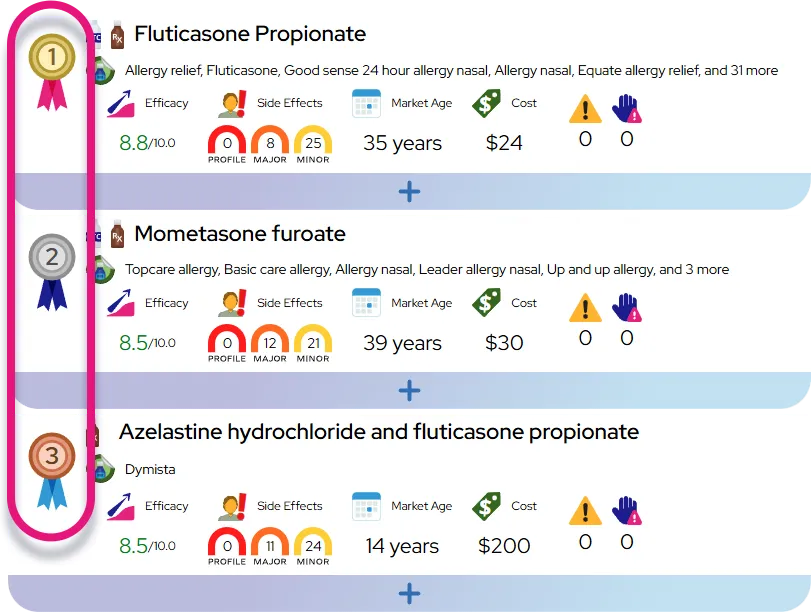
- Xofluza blocks a specific flu enzyme the virus needs to copy its genetic material, so the virus cannot keep multiplying.
- This quickly lowers the amount of flu virus in the nose and throat, which can help symptoms improve faster if taken within 48 hours of illness starting.
- It works differently from older flu medicines like oseltamivir, but the goal is the same: to shorten illness and reduce flu-related complications.
Treatment and Efficacy
Approved indications (U.S.): Xofluza is approved to treat acute uncomplicated influenza A and B in adults and children 5 years and older who have had symptoms for no more than 48 hours, whether they are otherwise healthy or at high risk for flu complications, and to prevent flu (post‑exposure prophylaxis) in people 5 years and older after close contact with someone who has influenza.
Off‑label use: Off‑label use of baloxavir in the United States is limited; some clinicians may consider it for certain higher‑risk or hard‑to‑treat situations (for example, where a single oral dose is strongly preferred), but evidence in severely ill, hospitalized, or severely immunocompromised patients is sparse, so other antivirals such as oseltamivir are usually favored in those settings.
Efficacy expectations:
- When started within 48 hours of symptom onset, Xofluza typically shortens the duration of flu symptoms by about one day compared with no antiviral treatment.
- Many people begin to feel some improvement within about 24 hours, though cough and fatigue can last several days.
- In household contacts, a single dose significantly lowers the chance of developing flu after exposure compared with no prophylaxis.
- Compared with neuraminidase inhibitors (such as oseltamivir), overall symptom reduction is similar, but Xofluza is taken only once, which may improve convenience and adherence.
Dosage and Administration
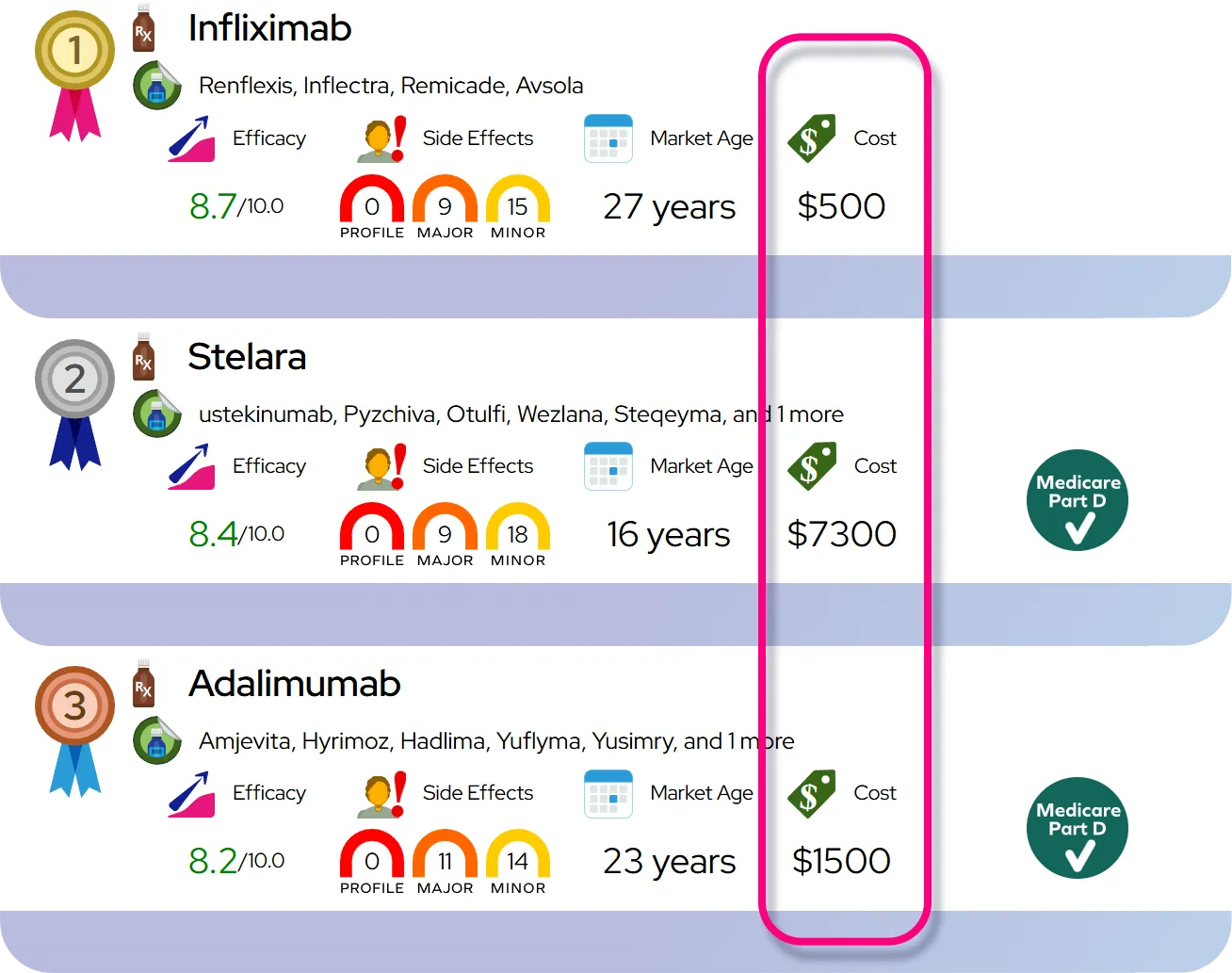
Typical dosing (adults and children ≥5 years): Xofluza is given as a single oral dose based on body weight for both treatment and post‑exposure prevention: most people weighing 20 to <80 kg receive 40 mg once, those weighing ≥80 kg receive 80 mg once, and children <20 kg receive a one‑time liquid dose of 2 mg/kg.
How and when to take it: Take the full single dose as soon as possible and within 48 hours of flu symptom onset for treatment, or as soon as possible after close contact with someone who has flu for prevention; it can be taken with or without food.
Formulations and administration details:
- Tablets (40 mg or 80 mg) should be swallowed whole with liquid; for those who cannot swallow tablets, an oral suspension prepared by a healthcare professional can be used.
- The pharmacist‑prepared suspension must be taken within the time stated on the label (usually within 10 hours) and measured carefully with an oral syringe or dosing cup.
- Xofluza may be given via certain feeding tubes as a liquid, following professional instructions.
Special dosing instructions:
- No routine dose adjustment is needed for older adults or for mild to moderate kidney or liver impairment.
- Avoid taking Xofluza at the same time as dairy products, calcium‑fortified beverages, or oral products containing calcium, iron, magnesium, selenium, or zinc (including many antacids and supplements), because they can reduce absorption; if needed, separate these by several hours.
Missed dose guidance: If you forget to take the planned single dose and are still within the allowed time window (generally within 48 hours of symptom onset for treatment or very soon after exposure for prevention), take it as soon as you remember; if you are unsure whether it is still useful, contact your healthcare provider rather than taking an extra or late dose.
Overdose: Taking more than the prescribed single dose is not expected to improve flu symptoms and may increase side‑effect risk; in case of suspected overdose, contact a poison control center (1‑800‑222‑1222 in the U.S.) or seek emergency medical care.
Safety and Side Effects
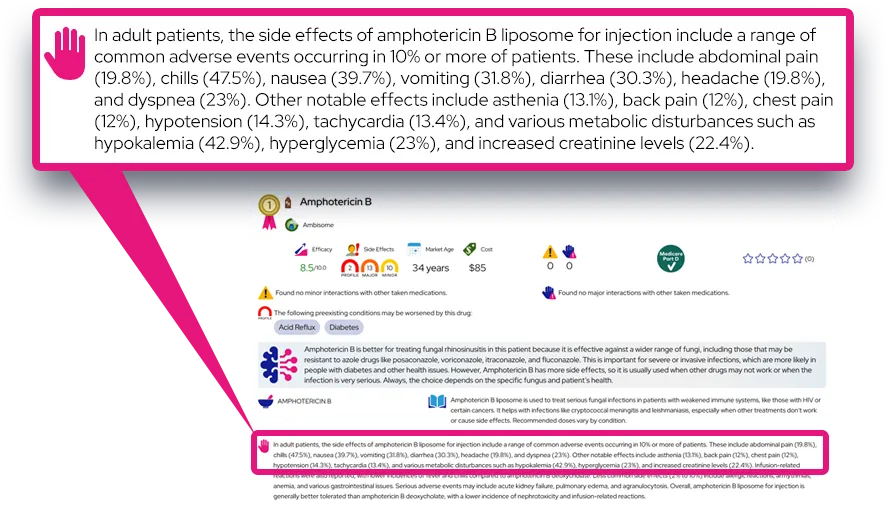
Common side effects: Most side effects are mild and occur within the first day or two after the single dose.
- Adults and adolescents: diarrhea, bronchitis, nausea, sinusitis, and headache.
- Children 5 to <12 years: vomiting and diarrhea are most common.
- These effects are usually short‑lived and do not require stopping the medication.
Serious or rare adverse effects (seek immediate care):
- Allergic reactions such as rash, hives, blistering skin, itching, swelling of the face, lips, tongue, or throat, trouble breathing, dizziness, or feeling faint.
- Worsening fever, chest pain, difficulty breathing, confusion, or other signs that may indicate a severe infection or complication rather than the drug itself.
Warnings and precautions:
- Age: Not indicated for children younger than 5 years because of higher rates of resistance in this group.
- Pregnancy and breastfeeding: Human data are limited; use only if the expected benefit justifies any potential risk, and discuss alternatives with a clinician.
- Kidney or liver disease: No dose adjustment is usually needed for mild to moderate kidney or liver problems, but data in severe impairment are limited; use with caution.
- Serious or complicated flu, hospitalization, or severe immunosuppression: Xofluza has not been well studied as sole therapy in these settings; guideline‑preferred options are typically other antivirals (such as oseltamivir), with or without additional measures.
- Bacterial infections: Xofluza treats only influenza viruses and does not prevent or treat secondary bacterial infections, so new or worsening symptoms require prompt evaluation.
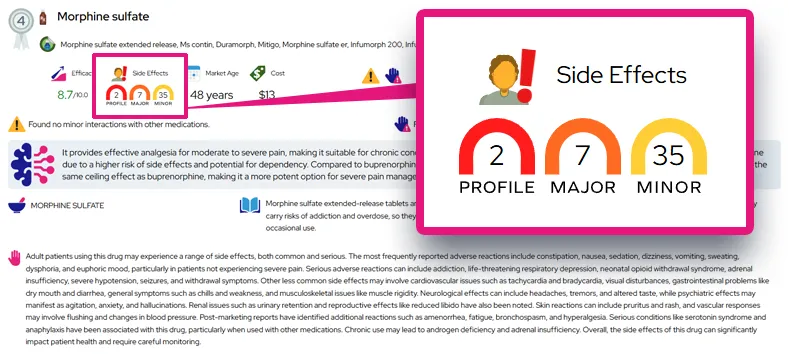
Overall safety profile: In clinical trials, Xofluza was generally well tolerated with side‑effect rates similar to placebo and to oseltamivir, but it can select for resistant flu strains, particularly in younger children, which is why use is restricted to people 5 years and older.
Reporting side effects and safety updates: Side effects can be reported to the manufacturer (Genentech) or to the U.S. Food and Drug Administration through the MedWatch program (online or by calling 1‑800‑FDA‑1088), where up‑to‑date safety information is also available.
Interactions and Precautions
Key drug and food interactions:
- Avoid taking Xofluza together with dairy products, calcium‑fortified drinks, or oral products containing polyvalent cations (such as many antacids, laxatives, or supplements with calcium, iron, magnesium, selenium, or zinc), as these can bind the drug in the gut and reduce its effect.
- There are no major known interactions with most common prescription drugs, including pain relievers like acetaminophen or ibuprofen, but all medications and supplements should be reviewed by a clinician or pharmacist.
- Live attenuated intranasal flu vaccine (LAIV) may not work well if given too close to antiviral treatment; typically, LAIV is avoided for about 48 hours after antivirals and antivirals are usually not started within 2 weeks after receiving LAIV unless necessary.
Precautions and situations requiring caution:
- Children under 5 years: Xofluza is not indicated because of higher rates of antiviral resistance in this age group.
- Pregnancy and breastfeeding: Because human experience is limited, use only if the expected benefit outweighs potential risks, and discuss options such as alternative antivirals with your prenatal or primary care clinician.
- Severe kidney or liver disease: Limited data exist in severe impairment; use with caution and under medical supervision.
- Severe, progressive, or hospitalized influenza and severely immunocompromised patients: Evidence for Xofluza in these groups is limited; other antivirals (such as oseltamivir) are generally preferred as first‑line therapy.
Monitoring needs: For typical outpatient use in otherwise stable patients, no routine blood tests, ECGs, or blood‑pressure monitoring are required; patients should instead be monitored clinically for improvement in flu symptoms and for signs of allergic reaction or worsening illness.
Common Questions and Answers
Q: How quickly does Xofluza start to work?
A: Xofluza begins blocking flu virus replication soon after the dose, and many people notice some symptom improvement within about 24 hours, though full recovery still usually takes several days.
Q: Is Xofluza better than Tamiflu (oseltamivir)?
A: In studies, Xofluza and oseltamivir shortened flu illness by a similar amount, but Xofluza is taken as a single dose while oseltamivir is taken twice daily for 5 days, so the choice often depends on convenience, cost, and clinical situation.
Q: Can I take Xofluza with over‑the‑counter pain or fever medicines?
A: Yes, Xofluza can generally be taken with medicines like acetaminophen or ibuprofen, but you should avoid taking it at the same time as products containing calcium, iron, magnesium, or similar minerals that can reduce its absorption.
Q: Does Xofluza replace the flu shot?
A: No, Xofluza treats or helps prevent flu around a specific exposure, but it does not provide season‑long protection, so annual influenza vaccination is still recommended unless your clinician advises otherwise.
Q: Can I use Xofluza if I am pregnant or breastfeeding?
A: There is limited information about Xofluza in pregnancy and breastfeeding, so its use should be decided case by case with your healthcare provider, who may recommend another antiviral with more established safety data.
Q: Is one dose of Xofluza enough, even if I still feel sick?
A: Yes, Xofluza is designed as a single‑dose treatment; you should not repeat the dose unless specifically instructed, but if symptoms worsen or fail to improve after a couple of days, you should contact your clinician to check for complications or another cause.
Better Treatment, Lower Cost – No Catch.
Find safer, more effective medications with fewer side effects – often for less money. It’s fast, free, and personalized. Learn More →
Disposal Guidance
Storage: Keep Xofluza tablets and granules at room temperature (68°F to 77°F / 20°C to 25°C), in the original blister package or bottle, protected from excess heat, moisture, and light, and out of reach of children. If your pharmacist prepares a liquid suspension, use it within the time on the label (usually within 10 hours) and discard any remaining liquid after that time or if stored above 77°F (25°C).
Disposal: If you have unused tablets or suspension, do not flush them down the toilet unless instructed; instead, use a local medicine take-back program if available or, if none is accessible, mix the medicine (not the packaging) with something unappealing like used coffee grounds or kitty litter, seal in a bag or container, and place in household trash according to local guidance.