


At a Glance
 Angeliq is FDA‑approved for oral treatment of moderate to severe menopausal hot flashes and vulvar or vaginal atrophy symptoms in postmenopausal women with a uterus, typically adults aged 40 years and older.
 This is a brand drug with no generic or biosimilar.
 Active ingredients: Drospirenone, Estradiol.

 Administration route: Oral.
 The usual regimen is one Angeliq tablet by mouth once daily (0.25 mg drospirenone/0.5 mg estradiol or 0.5 mg drospirenone/1 mg estradiol), taken continuously with or without food.

How It Works
- Angeliq combines two hormones: estradiol (an estrogen) and drospirenone (a progestin).
- Estradiol replaces the estrogen your body makes less of after menopause, which helps reduce hot flashes and improves vaginal moisture and comfort.
- Drospirenone protects the lining of the uterus from overgrowth caused by estrogen and has mild fluid‑reducing effects.
Treatment and Efficacy
Approved indications: In the United States, Angeliq (drospirenone/estradiol) is approved in women with a uterus for treatment of moderate to severe vasomotor symptoms due to menopause (such as hot flashes and night sweats) and for treatment of moderate to severe vulvar and vaginal atrophy symptoms due to menopause (such as vaginal dryness, irritation, and painful intercourse).
Off‑label uses: Clinicians may consider potential bone‑density benefits as part of an overall menopausal hormone therapy strategy, but Angeliq is not specifically FDA‑approved for osteoporosis prevention or treatment, and other agents (bisphosphonates, denosumab, etc.) are generally preferred when bone disease is the primary concern.
Efficacy expectations: In clinical trials with postmenopausal women, Angeliq reduced the frequency and severity of moderate to severe hot flashes, with meaningful improvement usually beginning within about 2 to 4 weeks and continuing to improve over 3 months, and improved vaginal dryness and discomfort with regular use.
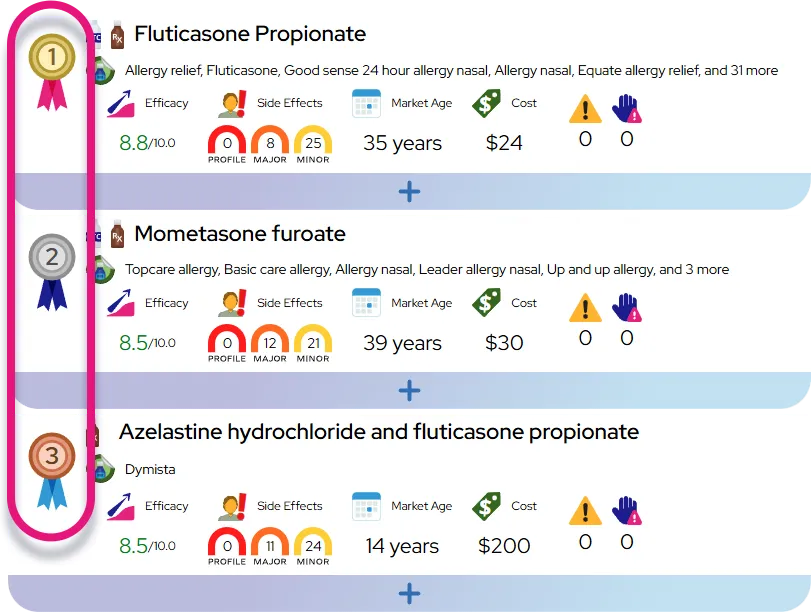
Comparison to similar therapies: Overall symptom relief is comparable to other systemic estrogen‑progestin hormone therapy products when equivalent estrogen doses are used, but Angeliq offers a lower‑dose estradiol option and uses drospirenone, which adds a specific profile (including possible fluid‑reducing and potassium‑raising effects) that differs from older progestins.
Dosage and Administration
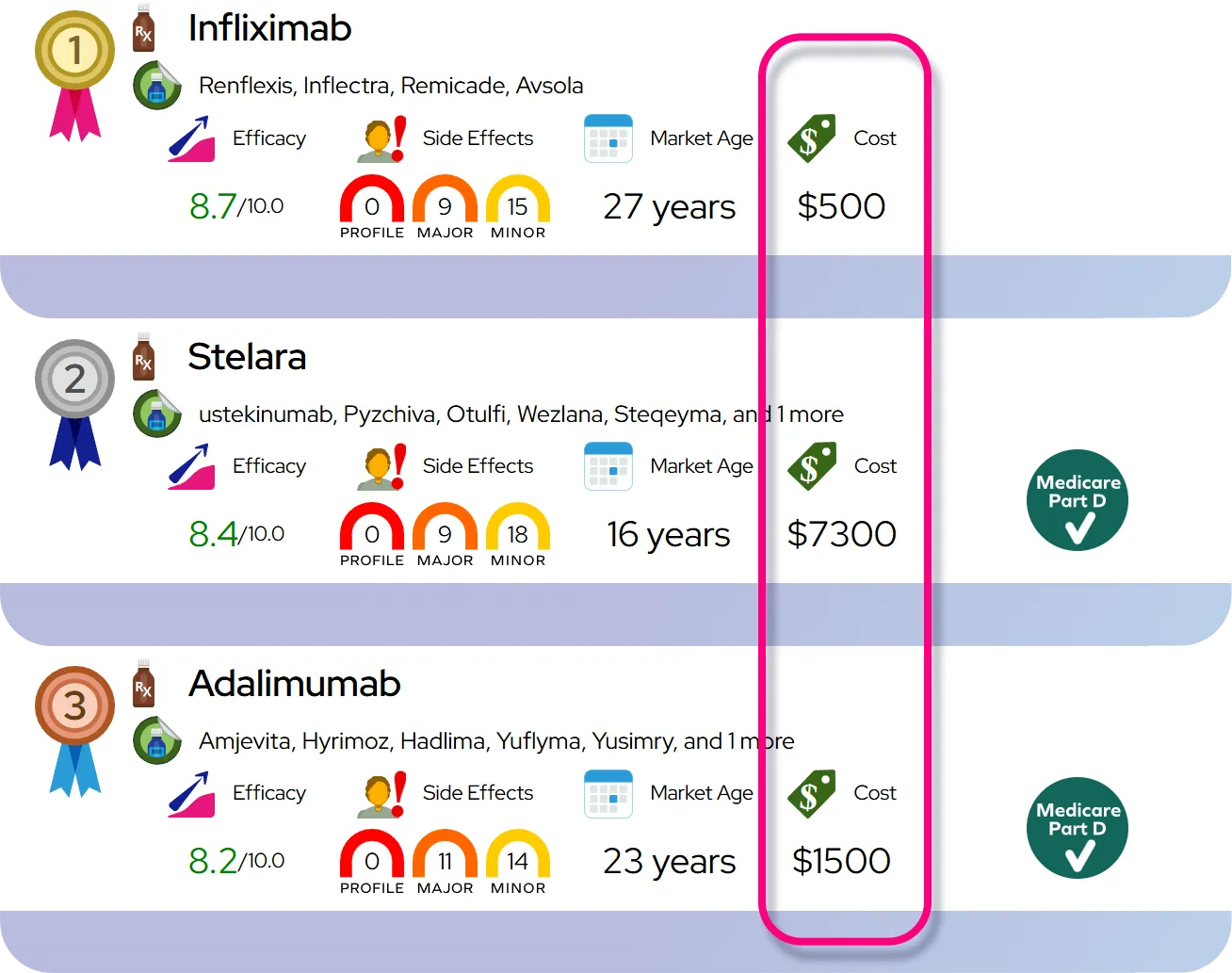
Typical dosing: For moderate to severe vasomotor symptoms due to menopause, the usual starting dose is one Angeliq tablet containing 0.25 mg drospirenone/0.5 mg estradiol once daily, with possible adjustment up to 0.5 mg drospirenone/1 mg estradiol once daily based on response; for moderate to severe vulvar and vaginal atrophy symptoms due to menopause, the indicated dose is one 0.5 mg drospirenone/1 mg estradiol tablet once daily.
How to take: Swallow the tablet whole with a drink of water, with or without food, preferably at the same time each day; treatment is continuous, meaning each 28‑day pack is followed immediately by the next pack without a break, and women switching from sequential or cyclic hormone therapy usually complete their current cycle before starting Angeliq.
Special instructions: The goal is to use the lowest effective dose for the shortest duration consistent with treatment goals and risk profile, with periodic re‑evaluation to decide whether continued therapy is needed.
Missed dose guidance: If a tablet is forgotten, it should be taken as soon as remembered unless more than about 24 hours have passed, in which case the missed tablet should be skipped and the next dose taken at the usual time; double doses should not be taken, and missing several tablets may cause breakthrough bleeding or spotting.
Overdose: Taking too many tablets may cause nausea, vomiting, breast tenderness, abdominal pain, drowsiness, fatigue, or withdrawal bleeding; there is no specific antidote, so management focuses on stopping the medication and providing supportive care, and medical evaluation is advised, especially if large amounts were taken or if worrisome symptoms occur.
Safety and Side Effects
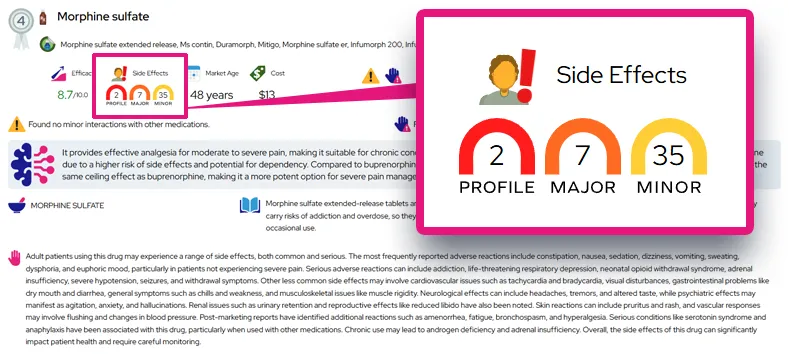
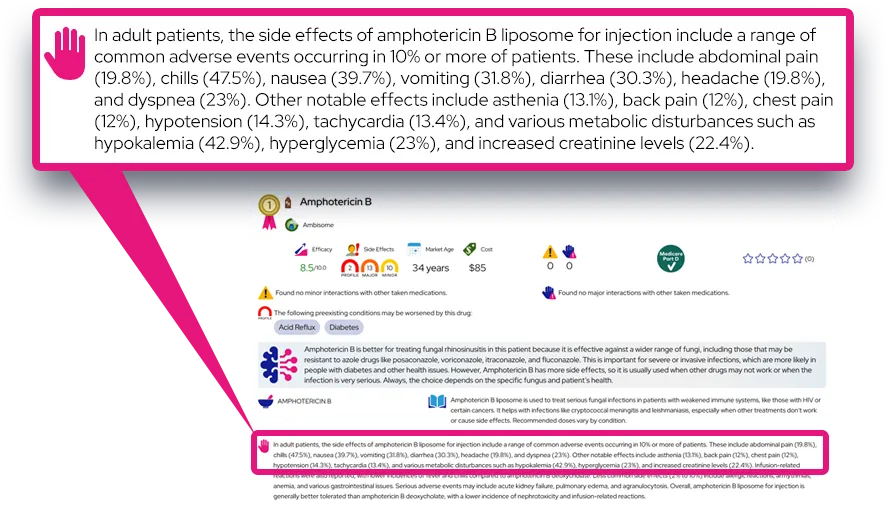
Common side effects: Frequently reported effects include headache, breast pain or tenderness, stomach or abdominal pain, nausea or diarrhea, fluid retention or bloating, mood changes, and irregular or breakthrough vaginal bleeding or spotting; these are usually mild to moderate, often appear in the first months of therapy, and may lessen as the body adjusts.
Serious or rare adverse effects: Angeliq, like other systemic estrogen‑progestin therapies, can increase the risk of blood clots (deep vein thrombosis, pulmonary embolism), stroke, heart attack, gallbladder disease, elevation of blood pressure, liver problems, and hormone‑sensitive cancers (breast, endometrial, ovarian), and drospirenone can raise blood potassium levels, which may cause dangerous heart rhythm problems; sudden chest pain or shortness of breath, leg swelling or pain, severe headache or vision changes, speech difficulty, jaundice, severe abdominal pain, or signs of allergic reaction require urgent medical attention.
Warnings and precautions: Angeliq is contraindicated in pregnancy, in women with undiagnosed abnormal genital bleeding, known or suspected breast cancer or other estrogen‑dependent cancers, active or past blood clots, stroke or heart attack, severe liver disease, significant kidney impairment, adrenal insufficiency, or known hypersensitivity to its ingredients, and it is not intended for children or premenopausal women; use is generally cautious in women over 65 due to dementia and cardiovascular risk data, and in those with risk factors such as smoking, obesity, hypertension, diabetes, high triglycerides, migraine, or strong family history of hormone‑sensitive cancers.
Pregnancy and breastfeeding: Angeliq must not be used in pregnancy and should be stopped if pregnancy occurs, and it is not recommended during breastfeeding because estrogens can reduce milk production and small amounts of hormones can pass into breast milk.
Comparative safety: The overall serious‑risk profile is similar to other systemic menopausal hormone therapies (boxed warnings for cardiovascular events, cancers, and dementia), but drospirenone adds a specific concern for hyperkalemia, especially when combined with other potassium‑raising medicines or in women with impaired kidney or adrenal function.
Side effect reporting and safety updates: Patients in the U.S. can report suspected side effects to the FDA MedWatch program (online or via 1‑800‑FDA‑1088) and can check FDA drug safety communications for any new warnings or updates related to Angeliq or other hormone therapy products.
Interactions and Precautions
Drug interactions: Because drospirenone can increase blood potassium, combining Angeliq with other potassium‑raising medicines (such as ACE inhibitors, ARBs, potassium‑sparing diuretics like spironolactone, certain NSAIDs, heparin, and some HIV or hepatitis C treatments) can increase the risk of hyperkalemia and may require potassium monitoring; strong CYP3A4 inhibitors (for example ketoconazole, itraconazole, clarithromycin, some protease inhibitors) can increase hormone levels and side‑effect risk, while CYP3A4 inducers (such as rifampin, carbamazepine, phenytoin, and St John’s wort) may reduce hormone exposure and effectiveness.
Other medicines, supplements, and foods: Concurrent systemic estrogen or progestin therapies generally are not recommended due to higher hormone exposure; high‑dose thyroid hormone or lipid‑lowering drugs may need dose adjustments based on laboratory changes; herbal supplements like St John’s wort may reduce effectiveness; grapefruit juice can inhibit CYP3A4 and could modestly raise hormone levels, so regular large amounts are best avoided; and alcohol has no major direct pharmacokinetic interaction but may add to liver and cardiovascular risks with long‑term heavy use.
Diagnostic and lab test considerations: Estrogen‑containing therapies can alter results of certain blood tests (including thyroid function tests, some hormone levels, and lipid profiles), and drospirenone may affect potassium and sometimes sodium levels, so clinicians interpret laboratory results with these effects in mind.
Precautions and contraindicating conditions: Angeliq should not be used in women with a history of estrogen‑dependent tumors, unexplained vaginal bleeding, previous or current venous or arterial thromboembolism, recent stroke or myocardial infarction, severe liver or kidney disease, or adrenal insufficiency, and requires caution and individualized risk–benefit evaluation in women with cardiovascular risk factors, migraine, gallbladder disease, hypertriglyceridemia, lupus, or a strong family history of breast cancer.
Monitoring needs: Recommended monitoring includes periodic blood pressure checks, breast exams and age‑appropriate mammography, evaluation of any new or unusual vaginal bleeding, and, in women taking other potassium‑raising medicines or with borderline kidney function, serum potassium measurements during the first treatment cycles; depending on underlying conditions, clinicians may also monitor lipids, liver function tests, and, if indicated, blood sugar or coagulation parameters.
Common Questions and Answers
Q: How long does it take for Angeliq to start relieving hot flashes?
A: Many women notice some improvement within 2 to 4 weeks, with maximum reduction in frequency and severity of hot flashes often occurring by about 3 months of continuous daily use.
Q: Can Angeliq be used if I no longer have a uterus?
A: No; Angeliq is formulated for women with an intact uterus because it contains a progestin to protect the uterine lining, and women who have had a hysterectomy are usually treated, if needed, with estrogen‑only products rather than a combination like Angeliq.
Q: Will Angeliq prevent heart disease, stroke, or memory problems?
A: No; like other systemic menopausal hormone therapies, Angeliq should not be used to prevent cardiovascular disease or dementia, and it may slightly increase the risk of blood clots, stroke, heart attack, and probable dementia in some older women.
Q: Is weight gain or swelling common with Angeliq?
A: Some women experience fluid retention, breast fullness, or mild weight changes while taking Angeliq, but large or rapidly increasing weight or noticeable leg or ankle swelling should be discussed with a health care provider to rule out more serious problems.
Q: What should I do if I experience unexpected vaginal bleeding while on Angeliq?
A: Light spotting can occur, especially in the first months of treatment, but any persistent, heavy, or new vaginal bleeding after you have been on a stable regimen should be reported promptly so your clinician can evaluate for endometrial or other causes.
Better Treatment, Lower Cost – No Catch.
Find safer, more effective medications with fewer side effects – often for less money. It’s fast, free, and personalized. Learn More →
Disposal Guidance
Storage: Store Angeliq tablets at room temperature (68°F–77°F or 20°C–25°C), protect from excessive heat, moisture, and light, keep in the original blister pack, and keep out of reach of children and pets.
Disposal: If tablets are expired or no longer needed, use a medicine take‑back program when available; if none is accessible, mix tablets (do not crush or chew) with an undesirable substance such as used coffee grounds or cat litter, seal in a plastic bag or container, and place in household trash, and do not flush unless specifically instructed on the package insert or by local guidelines.