


Advil multi-symptom cold and flu
At a Glance
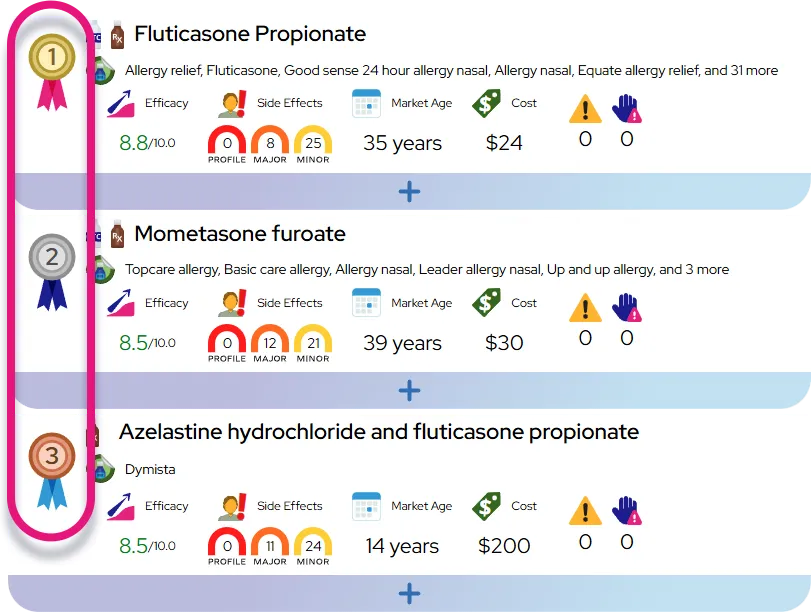
 Advil Multi-Symptom Cold and Flu is an OTC oral medicine for temporary relief of headache, fever, minor body aches and pains, nasal congestion, runny nose, sinus pressure, sneezing, and nasal swelling due to the common cold or flu in adults and children 12 years and older.
 This is a brand drug with no generic or biosimilar.
 Active ingredients: Chlorpheniramine Maleate, Ibuprofen, Phenylephrine Hydrochloride.

 Administration route: Oral.
 For adults and children 12 years and older, the usual dose is 1 tablet by mouth every 4 hours as needed, not exceeding 6 tablets in 24 hours, and it should not be used in children under 12 years.

How It Works
- Ibuprofen is a pain reliever and fever reducer that lowers substances in the body that cause pain, fever, and inflammation.
- Phenylephrine is a nasal decongestant that shrinks swollen blood vessels in the nose and sinuses to relieve stuffiness and sinus pressure.
- Chlorpheniramine is an antihistamine that blocks histamine to reduce runny nose and sneezing.
Treatment and Efficacy
Approved indications: Advil Multi-Symptom Cold and Flu is approved to temporarily relieve symptoms associated with the common cold or flu in adults and children 12 years and older, including headache, fever, minor body aches and pains, nasal congestion, sinus pressure, runny nose, sneezing, and swelling of the nasal passages, and to help restore freer breathing through the nose.
Off-label uses: There are no well-established off-label indications beyond short-term relief of cold- and flu-like upper respiratory symptoms; clinicians may occasionally recommend it for similar viral upper respiratory infections when the same cluster of symptoms is present, but evidence is essentially based on the known effects of its individual ingredients (ibuprofen, phenylephrine, and chlorpheniramine) rather than on specific trials of the combination.
Efficacy expectations:
- Symptom relief from pain, fever, and congestion typically begins within about 30–60 minutes after taking an oral dose and lasts around 4 hours, which is why dosing is every 4 hours as needed.
- Most people experience meaningful reduction in headache, fever, body aches, nasal congestion, and runny nose while the medicine is active, but it does not shorten the overall course of the cold or flu.
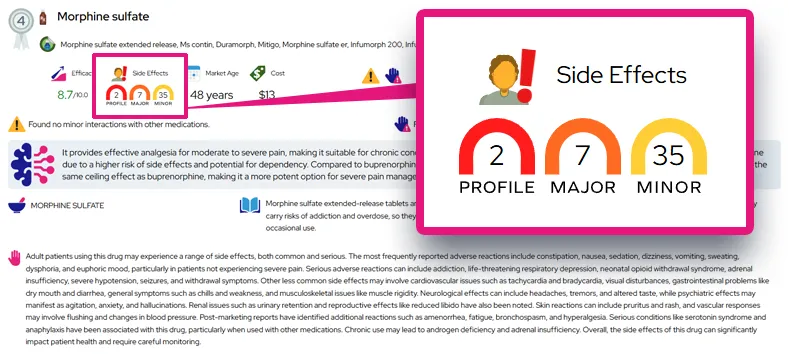
- Compared with other multi-symptom cold products, its effectiveness is similar; the main difference is that it uses ibuprofen (an NSAID) instead of acetaminophen, which may provide stronger anti-inflammatory pain relief for some people but also carries higher risks of stomach bleeding and heart-related side effects than acetaminophen-based products.
Dosage and Administration
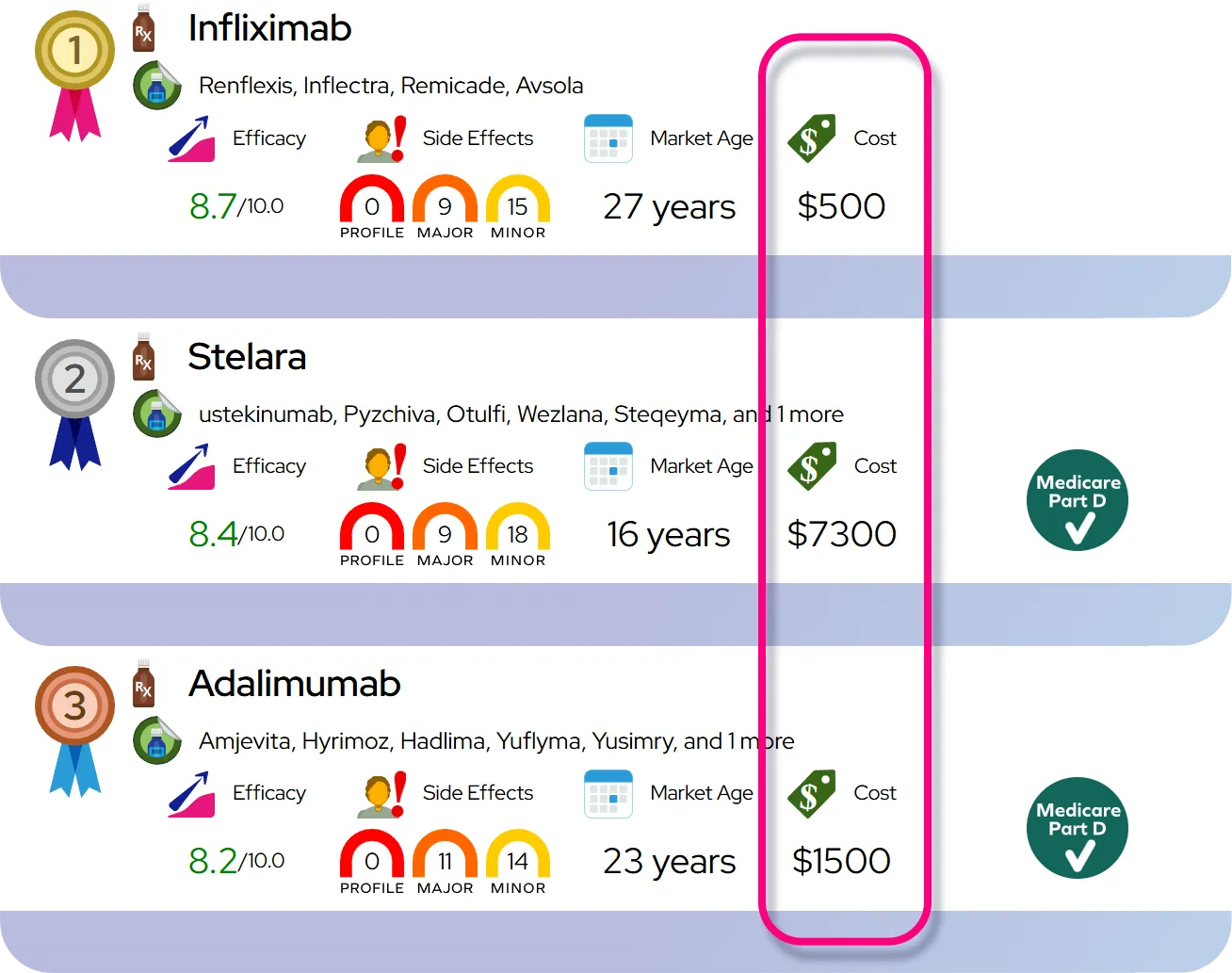
Typical dosing (oral tablets): For adults and children 12 years and older, take 1 tablet by mouth every 4 hours while symptoms persist, and do not exceed 6 tablets in any 24‑hour period; do not use in children under 12 years.
How to take: Swallow the coated tablet whole with a full glass of water, with or without food; taking it with food or milk can help reduce stomach upset, and it is best to avoid taking it close to bedtime if it tends to cause insomnia or nervousness.
Special dosing and use instructions:
- Use the lowest effective dose for the shortest time needed to control symptoms.
- Do not take this product together with other medicines containing ibuprofen, aspirin, naproxen, other NSAIDs, phenylephrine, or antihistamines, to avoid accidental overdose or additive side effects.
- Stop use and contact a healthcare professional if pain lasts more than 7 days, fever lasts more than 3 days, or nasal congestion lasts more than 7 days, or if new or worsening symptoms appear.
Missed dose guidance: This medicine is taken as needed, not on a fixed schedule; if a dose is missed and symptoms return, take 1 tablet when needed, but do not double up or take doses closer than every 4 hours and do not exceed 6 tablets in 24 hours.
Overdose: Taking more than the recommended amount can cause serious problems such as severe stomach bleeding, kidney injury, very low or high blood pressure, or extreme drowsiness; in case of overdose, seek emergency medical help or contact a Poison Control Center right away.
Safety and Side Effects
Common side effects:
- Mild stomach upset, nausea, heartburn, or abdominal discomfort from ibuprofen, especially if taken on an empty stomach.
- Drowsiness, dizziness, dry mouth, blurred vision, or difficulty concentrating from chlorpheniramine; some people instead feel mildly restless or excited.
- Nervousness, increased heart rate, or trouble sleeping from phenylephrine, particularly if taken late in the day or with other stimulants.
These effects are usually temporary and dose-related, and often improve if the medicine is taken with food (for stomach upset) or if use is limited to daytime and to the lowest effective amount.
Serious or rare adverse effects requiring immediate medical attention:
- Signs of a severe allergic reaction (especially in people allergic to aspirin or other NSAIDs): hives, rash or blistering skin, facial or throat swelling, wheezing, or trouble breathing.
- Symptoms of stomach bleeding or ulcer: feeling faint, vomiting blood, or black/tarry stools, or persistent stomach pain.
- Heart- or circulation-related problems from ibuprofen: chest pain, shortness of breath, sudden weakness on one side, slurred speech, or leg swelling.
- Severe drowsiness, confusion, agitation, hallucinations, or difficulty urinating (more likely in older adults or those with enlarged prostate or glaucoma).
Warnings and precautions:
- Age limits: Do not use in children under 12 years; older adults (especially over 60) have a higher risk of stomach bleeding, kidney problems, and dizziness or drowsiness.
- Pregnancy: Avoid use at 20 weeks of pregnancy or later unless specifically directed by a doctor, because ibuprofen can harm the unborn baby or cause delivery complications; in earlier pregnancy, any use should be discussed with a healthcare professional.
- Breastfeeding: Small amounts of the ingredients can pass into breast milk, and chlorpheniramine may cause drowsiness in the nursing infant or reduce milk supply; use only under medical advice.
- Heart and blood pressure: Phenylephrine can raise blood pressure and heart rate, and ibuprofen can increase the risk of heart attack, stroke, or worsening heart failure; people with high blood pressure, heart disease, or prior stroke should use only with a healthcare provider’s guidance.
- Kidney and liver disease: Ibuprofen can worsen kidney function, especially in people with existing kidney disease, dehydration, heart failure, or those taking diuretics or ACE inhibitors; people with significant kidney or liver problems should consult a clinician before use.
- Other conditions: Use cautiously or avoid in people with a history of stomach ulcers or bleeding, asthma triggered by NSAIDs, thyroid disease, diabetes, glaucoma, or difficulty urinating due to enlarged prostate.
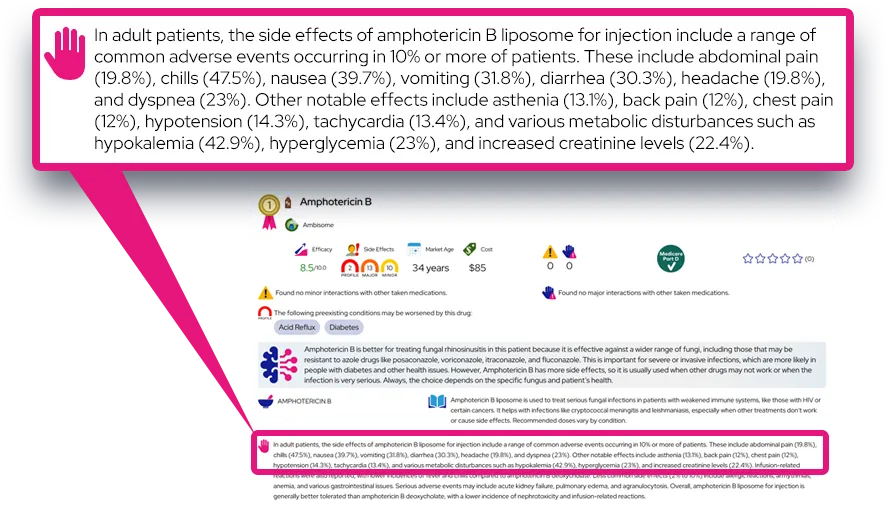
Comparative safety: Compared with acetaminophen-only cold medicines, this product carries higher risks of stomach bleeding and certain heart-related side effects because it contains ibuprofen, and it is more sedating and anticholinergic than products that use non-drowsy antihistamines or have no antihistamine component.
Reporting side effects and safety updates: Side effects can be reported to the FDA’s MedWatch program (online or by phone) and to the manufacturer using the toll-free number listed on the package; updated safety information is available through FDA drug safety communications and the product’s current label.
Interactions and Precautions
Drug interactions:
- Other pain relievers and anti-inflammatory drugs: Avoid combining with other NSAIDs (such as ibuprofen, naproxen, high‑dose aspirin, or many prescription pain relievers) because this greatly increases the risk of stomach bleeding, kidney damage, and other side effects.
- Blood thinners and antiplatelet drugs: Warfarin, direct oral anticoagulants, heparin, and antiplatelet agents like clopidogrel or low‑dose aspirin may have an increased bleeding risk when used with ibuprofen; ibuprofen can also reduce the heart‑protective effect of low‑dose aspirin if taken at the same time.
- Blood pressure and heart medicines: ACE inhibitors, ARBs, diuretics, and some beta‑blockers may be less effective when combined with NSAIDs, and the combination can raise blood pressure or strain the kidneys; phenylephrine can further elevate blood pressure.
- MAO inhibitors and other decongestants: Do not use if you are taking, or have taken within the last 2 weeks, a monoamine oxidase inhibitor (MAOI) for depression, psychiatric conditions, or Parkinson’s disease; avoid taking with other oral or nasal decongestants or stimulant medications because of the risk of dangerously high blood pressure or heart rhythm problems.
- Sedating medicines and alcohol: Chlorpheniramine can add to the drowsiness caused by sleeping pills, anxiety medicines, opioid pain medicines, seizure medicines, muscle relaxants, or alcohol, increasing the risk of falls, confusion, and accidents.
- Other interactions: NSAIDs can increase blood levels and toxicity risk of drugs like lithium and methotrexate and may interact with some antidepressants (such as SSRIs and SNRIs) to further increase bleeding risk.
Precautions and situations where use may be unsafe:
- History of stomach ulcers, gastrointestinal bleeding, or bleeding disorders.
- Severe heart disease, uncontrolled high blood pressure, or prior heart attack or stroke.
- Moderate to severe kidney disease, advanced liver disease, or significant dehydration.
- Asthma that worsens with aspirin or other NSAIDs.
- Narrow‑angle glaucoma, urinary retention, or enlarged prostate (chlorpheniramine and phenylephrine can worsen these conditions).
- Thyroid disease, diabetes, or other serious chronic conditions without prior discussion with a healthcare professional.
Monitoring needs: Healthy adults using the medicine at recommended doses for only a few days typically do not require formal monitoring, but people with high blood pressure, heart, kidney, or liver disease, or those taking blood thinners or multiple interacting medications, may need blood pressure checks and, for repeated use, periodic kidney or liver function tests as advised by their clinician.
Common Questions and Answers
Q: How quickly will Advil Multi-Symptom Cold and Flu start to work?
A: Most people begin to notice relief of pain, fever, and congestion within about 30 to 60 minutes after swallowing a dose, with effects lasting around 4 hours.
Q: Can I take this medicine with other cold or flu products?
A: You should not take it with other products that contain ibuprofen, aspirin, naproxen, other NSAIDs, decongestants like phenylephrine or pseudoephedrine, or antihistamines, because that can lead to double-dosing and more side effects; simple saline nasal sprays or plain cough drops are generally safe to use alongside it.
Q: Will this medicine make me drowsy?
A: The chlorpheniramine antihistamine can cause drowsiness in many people, so you should see how it affects you before driving or operating machinery, and avoid alcohol or other sedating drugs while using it.
Q: Is it safe to use if I have high blood pressure or heart disease?
A: Because ibuprofen and phenylephrine can raise blood pressure and may increase the risk of heart or circulation problems, people with high blood pressure, heart disease, or a history of stroke should use this medicine only after checking with a healthcare professional.
Q: How long can I keep taking it for cold or flu symptoms?
A: Use the product only as needed for short-term relief, and stop and seek medical advice if pain lasts more than 7 days, fever lasts more than 3 days, nasal congestion lasts more than 7 days, or symptoms worsen or new ones appear.
Better Treatment, Lower Cost – No Catch.
Find safer, more effective medications with fewer side effects – often for less money. It’s fast, free, and personalized. Learn More →
Disposal Guidance
Storage: Store tablets at room temperature (68–77°F or 20–25°C), avoid excessive heat above 104°F (40°C), keep them in the original blister pack and carton, and protect from moisture and from access by children and pets.
Disposal: If tablets are expired or no longer needed, dispose of them in household trash by mixing them (in the blister if possible) with an undesirable substance (such as used coffee grounds), placing the mixture in a sealed container or bag, and following any local or pharmacy-based medicine take-back options if available; do not flush down the toilet unless specifically instructed by local guidance.