



Malignancy
At a Glance
 Malignancy describes a serious medical condition where abnormal cells divide without control and can invade nearby tissues or spread to other parts of the body through the blood and lymph systems.
 While malignancy can occur at any age, the risk increases significantly as people get older, making it a very common condition globally among adults over the age of 55.
 Malignancy is typically a chronic and serious condition that requires long-term management, though it can often be treated effectively if diagnosed early.
 The outlook varies widely from curative to life-limiting depending on the specific type and stage of the disease, with survival rates improving significantly due to modern medical advances.











How It Affects You
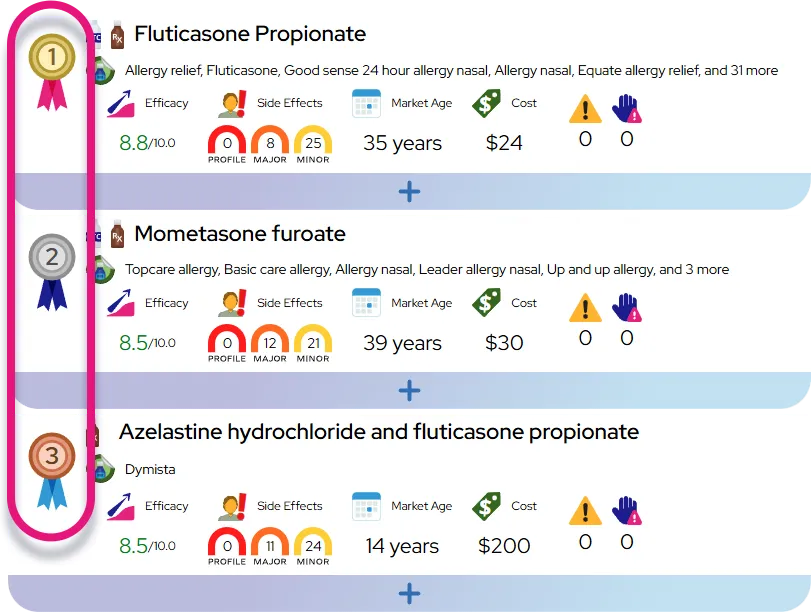
Malignancy, commonly known as cancer, refers to the uncontrolled growth of abnormal cells that have the ability to invade nearby tissues and spread to other parts of the body. These malignant cells crowd out healthy cells, consume the body's energy resources, and disrupt the normal function of organs and systems. The physical impact varies greatly depending on the origin of the disease and where it spreads.
- Tumors can press on nerves, blood vessels, and organs, causing pain and functional impairment.
- The disease often triggers systemic inflammation and metabolic changes, leading to significant fatigue and unintended weight loss.
- Metastasis allows cells to travel through the blood or lymph systems, potentially damaging distant organs like the lungs, liver, or bones.
Causes and Risk Factors
Biological Causes and Risk Factors
Malignancy begins when genetic changes interfere with the orderly process of cell growth and division. Cells become abnormal and start to divide uncontrollably, forming masses called tumors or flooding the blood with abnormal cells. These genetic mutations can be inherited from parents or acquired during a person's lifetime due to errors in cell division or damage to DNA. Several environmental and lifestyle factors are known to increase the risk of developing these mutations.
- Carcinogens such as tobacco smoke, asbestos, and certain chemicals in the workplace significantly damage cellular DNA.
- Exposure to radiation, including ultraviolet rays from the sun and ionizing radiation, is a major risk factor.
- Certain infections, including human papillomavirus (HPV), hepatitis B and C, and Epstein-Barr virus, can trigger cellular changes that lead to malignancy.
- Lifestyle choices such as a diet high in processed meats, lack of physical activity, and excessive alcohol consumption contribute to risk.
- Chronic inflammation and hormonal imbalances can also play a role in the development of certain conditions.
Prevention Strategies
Primary prevention focuses on avoiding risk factors to prevent the disease from starting. This includes quitting smoking, maintaining a healthy weight, protecting skin from the sun, and receiving vaccinations against cancer-causing viruses like HPV and hepatitis B. Secondary prevention aims to detect the condition early or reduce its severity through routine screenings, such as mammograms, colonoscopies, and pap smears. While these steps significantly lower risk, it is not currently possible to prevent all malignancies, as some are driven by random biological errors or unavoidable genetic factors.
Diagnosis, Signs, and Symptoms
Signs and Symptoms
Symptoms of malignancy vary widely depending on where the disease is located and how large it has grown. Early symptoms may be subtle or mimic other less serious illnesses. General symptoms that affect the whole body are common as the condition progresses. Clinicians often look for specific warning signs that persist for more than two weeks.
- Unexplained weight loss, fever, or night sweats are common systemic signs.
- Severe or worsening fatigue that does not improve with rest is a frequent complaint.
- A lump or area of thickening that can be felt under the skin may indicate a tumor.
- Changes in bowel or bladder habits, or unusual bleeding or discharge, are specific warning signs.
- Persistent cough, trouble breathing, or hoarseness can signal issues in the chest or throat.
- Changes in skin appearance, such as a new mole or a sore that does not heal.
Diagnosis and Testing
Doctors use a combination of methods to identify malignancy and rule out other conditions. A physical exam is the first step to check for lumps or abnormalities. Imaging tests like CT scans, MRIs, PET scans, and ultrasounds help visualize tumors inside the body. Laboratory tests, including Complete Blood Counts (CBC) and tumor marker tests, provide clues about organ function and the presence of disease. The definitive diagnosis is almost always made through a biopsy, where a sample of tissue is removed and examined under a microscope by a pathologist. This confirms whether cells are malignant or benign. The condition is often confused with benign tumors, cysts, or chronic infections, making the biopsy a critical tool for accurate diagnosis.
Treatment and Management
Treatment Options
Treatment plans are highly personalized and depend on the type, stage, and location of the malignancy, as well as the patient's overall health. The primary goal is often to remove the disease entirely, but when that is not possible, treatment focuses on controlling growth and relieving symptoms. Modern treatments have significantly improved outcomes for many patients.
- Surgery is often used to remove solid tumors and nearby tissue.
- Chemotherapy uses powerful drugs to kill rapidly dividing cells throughout the body.
- Radiation therapy uses high-energy beams to destroy cancer cells in a specific area.
- Immunotherapy helps the immune system recognize and attack abnormal cells.
- Targeted therapy attacks specific abnormalities within the cells that allow them to grow.
- Hormone therapy is used for conditions fueled by body hormones, such as certain breast or prostate issues.
Management and Monitoring
Beyond medical procedures, management involves lifestyle changes like adopting a nutrient-rich diet and staying active to support recovery. Palliative care is available at any stage to manage pain, nausea, and stress, focusing on quality of life rather than just the cure. Routine follow-up is essential to monitor for recurrence and manage long-term side effects.
When to Seek Medical Care
It is important to consult a doctor if you notice any new or worrying changes in your body. Seek medical advice if you experience unexplained weight loss, a new lump, a sore that does not heal, or persistent pain. Emergency care should be sought for severe symptoms such as difficulty breathing, sudden severe pain, or uncontrolled bleeding. Regular check-ups are recommended for those with a family history or known risk factors.
Severity and Prognosis
Severity and Disease Course
Malignancy ranges from mild, slow-growing forms that may not require immediate treatment to severe, aggressive types that spread rapidly. The severity is typically categorized by stages, from Stage I (localized) to Stage IV (spread to distant organs). The course of the disease can be unpredictable; some patients experience complete remission where no evidence of disease remains, while others may face a chronic pattern of remission and recurrence. Factors influencing severity include the specific cell type, the grade (how abnormal the cells look), and genetic markers.
Prognosis and Long-Term Effects
Prognosis depends heavily on early detection; conditions caught in early stages often have excellent survival rates. However, if the disease has metastasized (spread), treatment becomes more complex and the prognosis may be more guarded. Long-term effects can include complications from the disease itself, such as organ dysfunction or bone pain, as well as late effects from treatment like heart issues or secondary health problems. While mortality rates have decreased significantly due to better treatments, malignancy remains a serious health risk. It is important to note that statistics are based on large groups and cannot predict an individual's specific outcome.
Impact on Daily Life
Impact on Daily Living
Living with malignancy affects nearly every aspect of daily life. Physical symptoms like fatigue, pain, and nausea can make work, school, and household chores difficult. Many patients need to adjust their schedules to accommodate treatments and rest. The emotional toll is also significant, with anxiety, depression, and fear of recurrence being common. Socially, patients may feel isolated or overwhelmed by the need for support. Practical coping strategies include breaking tasks into smaller steps, accepting help from friends and family, and joining support groups to connect with others facing similar challenges.
Questions to Ask Your Healthcare Provider
Asking the right questions can help you understand your diagnosis and make informed decisions. Consider bringing this list to your next appointment:
- What is the specific name and stage of my condition?
- What are my treatment options, and which do you recommend?
- What are the potential side effects of these treatments, and how can they be managed?
- How will this condition and its treatment affect my daily life and ability to work?
- Are there any clinical trials or new treatments I should consider?
- What signs or symptoms should prompt me to call you immediately?
- What is the goal of the treatment: to cure, to control growth, or to manage symptoms?
Common Questions and Answers
Q: Is malignancy contagious?
A: No, malignancy itself is not contagious. You cannot catch it from someone else like a cold or the flu. However, certain viruses that increase the risk, such as HPV or hepatitis, can be transmitted between people.
Q: Does eating sugar make the condition worse?
A: There is a common myth that sugar "feeds" malignancy directly. While all cells, including abnormal ones, use glucose for energy, eating sugar does not make the disease grow faster. However, a diet high in sugar can lead to obesity, which is a risk factor for developing the condition.
Q: Is a diagnosis always a death sentence?
A: No. Many malignancies are treatable and curable, especially when caught early. Millions of people live for many years after diagnosis due to advances in early detection and treatment.
Q: Will I lose my hair during treatment?
A: Not necessarily. Hair loss is a side effect of certain chemotherapy drugs and radiation therapies, but not all treatments cause it. Newer targeted therapies and immunotherapies often do not cause hair loss.
Q: Can stress cause malignancy?
A: There is no strong evidence that stress directly causes malignancy. However, chronic stress can weaken the immune system and lead to unhealthy behaviors like smoking or overeating, which are known risk factors.