




Category: Medications
-
A Second Opinion on medications: why a data-driven review matters
Every year millions of people begin new prescriptions without a formal, evidence-based second opinion. That single decision can affect treatment effectiveness, quality of life, risk of adverse events, and out-of-pocket cost. A science-based second opinion on medications combines personalized clinical evidence, drug-safety data, and cost information to reduce harms and improve outcomes. This article explains
-
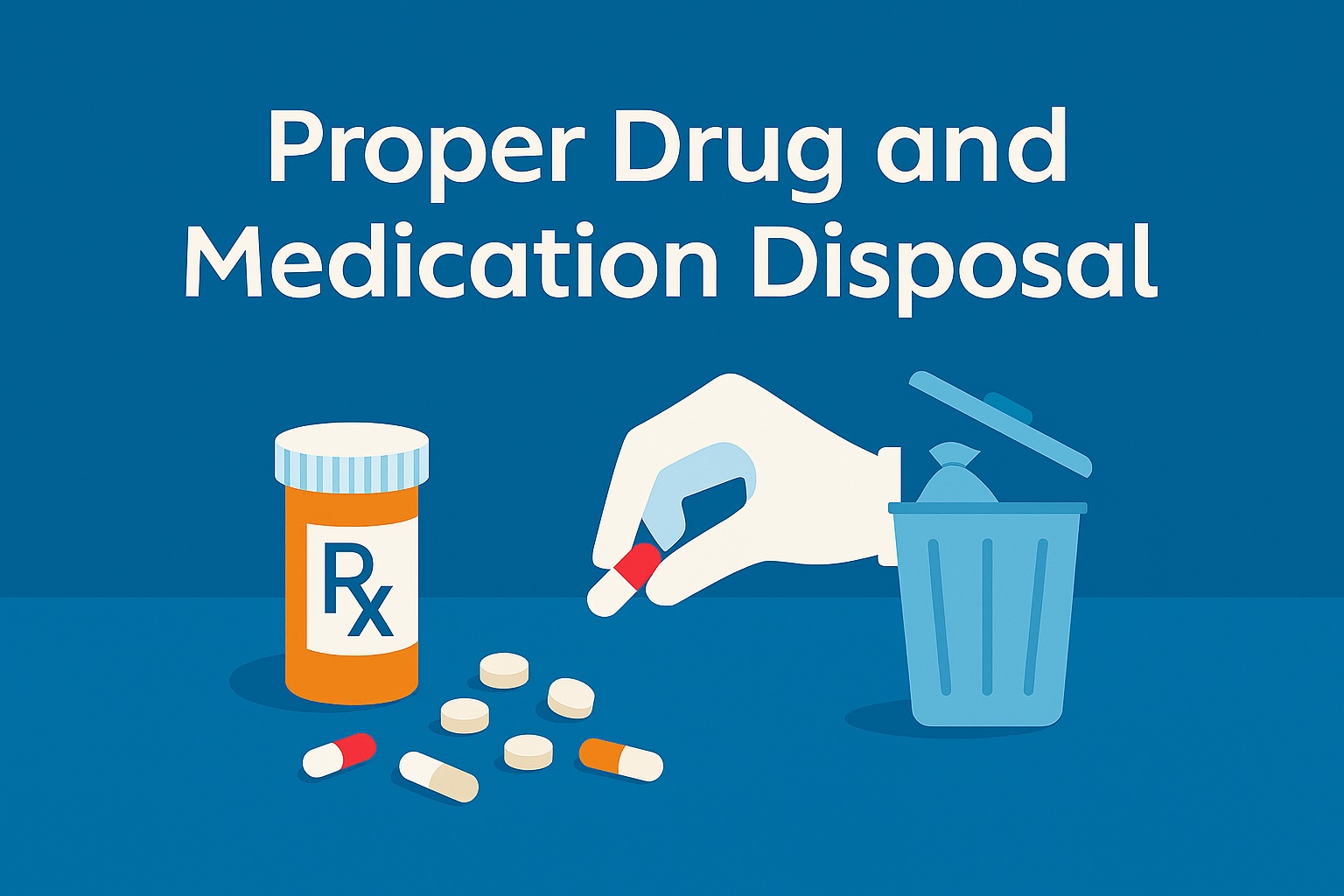
Proper Drug and Medication Disposal: Protecting People, Water, and Wildlife
Improper disposal of unused and expired medicines is a hidden environmental and public-health crisis. Millions of households, clinics, and long-term care facilities discard pharmaceuticals in ways that allow active drug ingredients to enter landfills, septic systems, wastewater treatment plants, and surface waters. These pathways spread bioactive chemicals into ecosystems, contribute to antimicrobial resistance, and increase
-
Biosimilars, Generics, and the New Cost-Control Countertrend in Pharmaceuticals
Prescription drug prices have long been a primary concern for patients, payers, and policymakers worldwide. In recent years, the surge of biosimilars and generics has emerged as a leading force in reshaping the economics of the pharmaceutical industry, promising not only reduced costs but also greater competition and accessibility. As of 2025, this movement —
-
ADRIANA Pain Medication – A Promising Future Alternative to Opioids
The opioid crisis has devastated communities worldwide, particularly in the United States, where opioid overdoses claimed more than 80,000 lives in 2023 alone.¹ While opioids like morphine and oxycodone remain powerful tools for managing severe pain, their risks —including addiction, overdose, and long-term dependence — have created an urgent need for safer alternatives. Enter ADRIANA
-
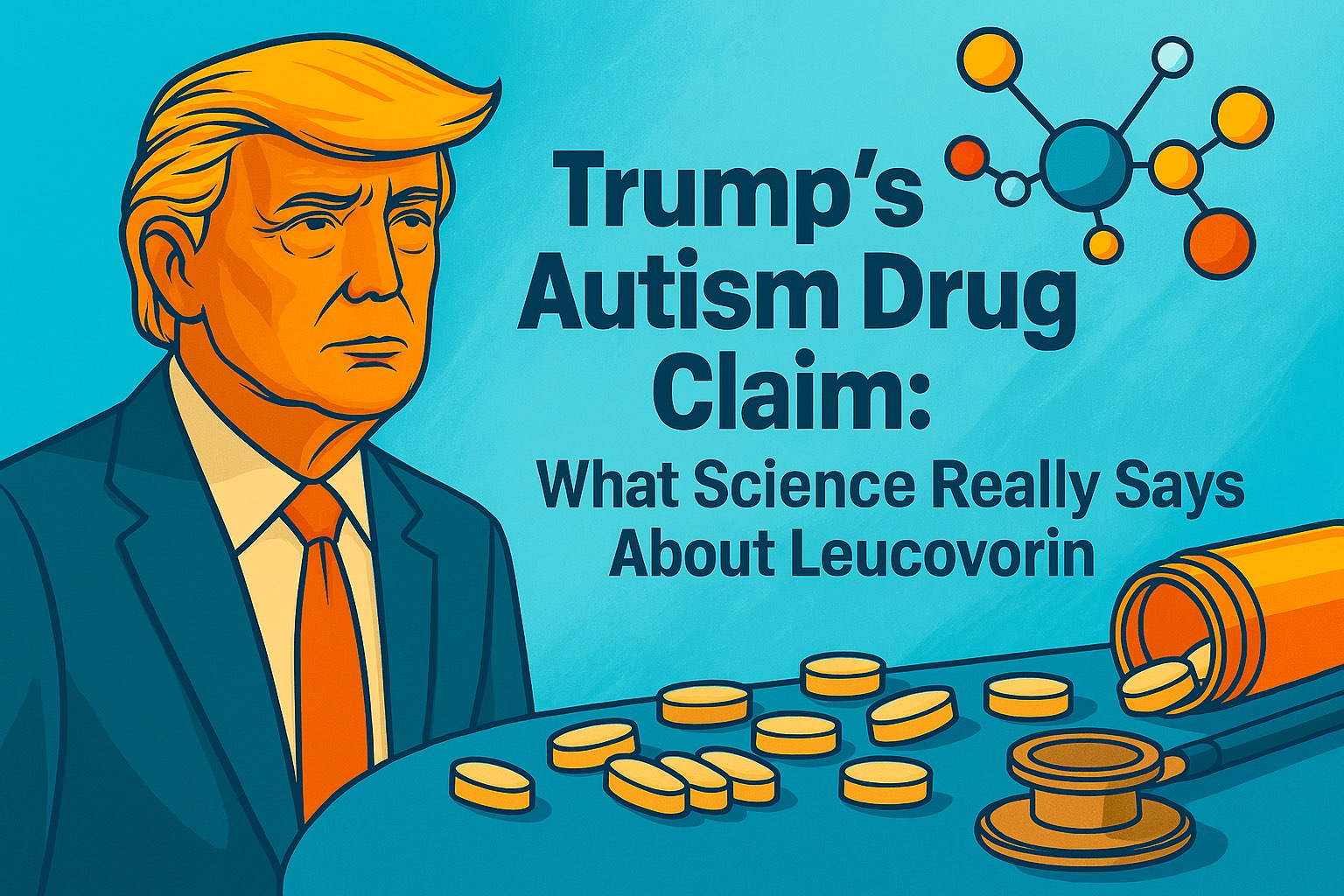
Fact-Checking Trump’s Autism Drug: Is Leucovorin a Breakthrough or Hype?
Leucovorin for Autism: Clinical Efficacy and Biochemical Mechanisms Autism spectrum disorder (ASD) is a heterogeneous neurodevelopmental condition, affecting communication, social interaction, and behavior, with rising global prevalence and substantial lifelong impact on families and public health systems.1 2 Despite decades of research, interventions addressing the core symptoms-language deficits, social challenges, and repetitive behaviors-remain limited. Leucovorin,
-
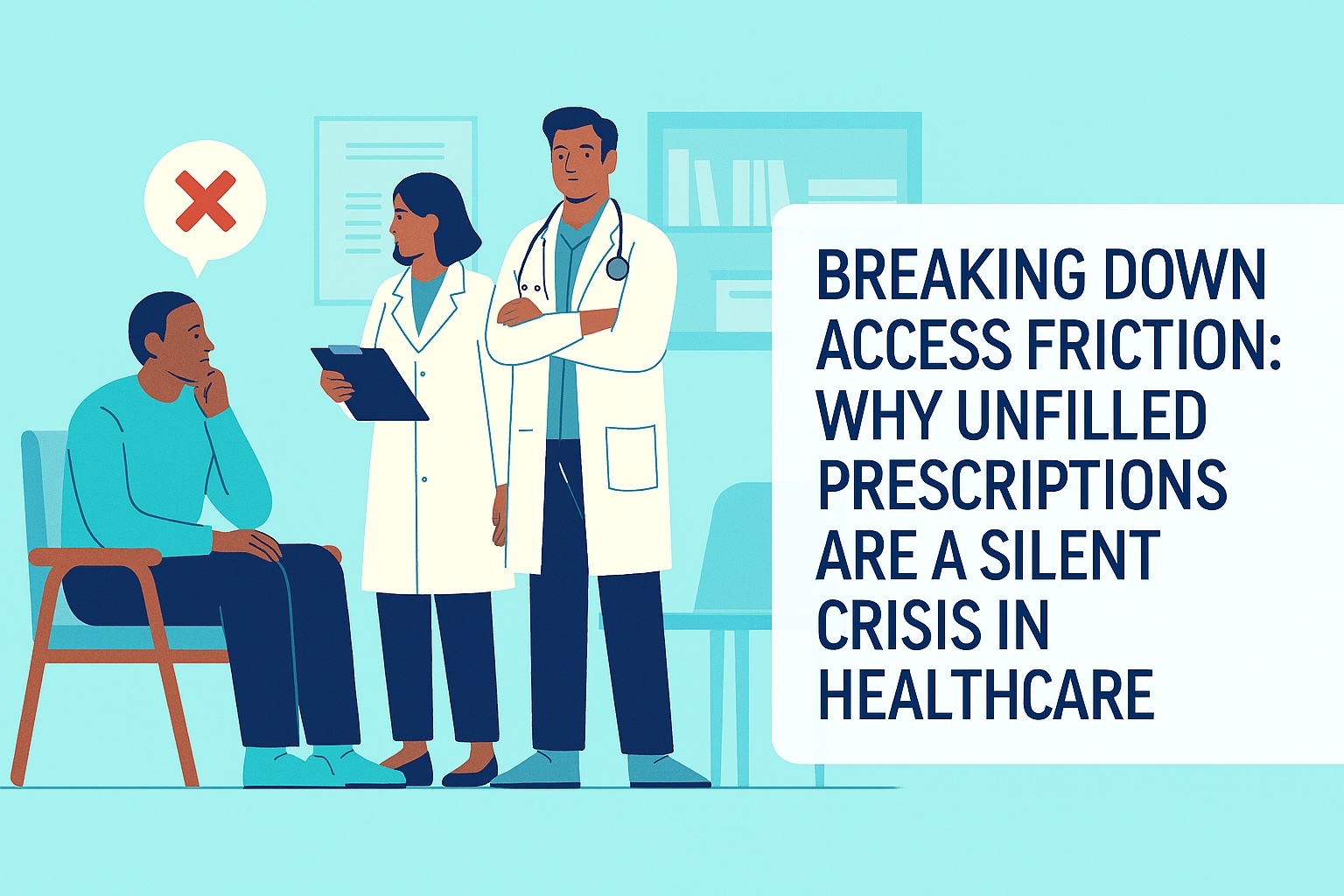
Why Unfilled Prescriptions Are a Silent Crisis in Healthcare
The Hidden Barrier to Better Health Every day, millions of prescriptions are written with the intent to improve patient outcomes, manage chronic conditions, or treat acute illnesses. Yet, a startling number of these prescriptions never make it to the pharmacy counter. This phenomenon — known as access friction — is a growing concern in healthcare,